
The Unspoken Language of Space: How Adaptive Living Spaces Speak to the Subconscious
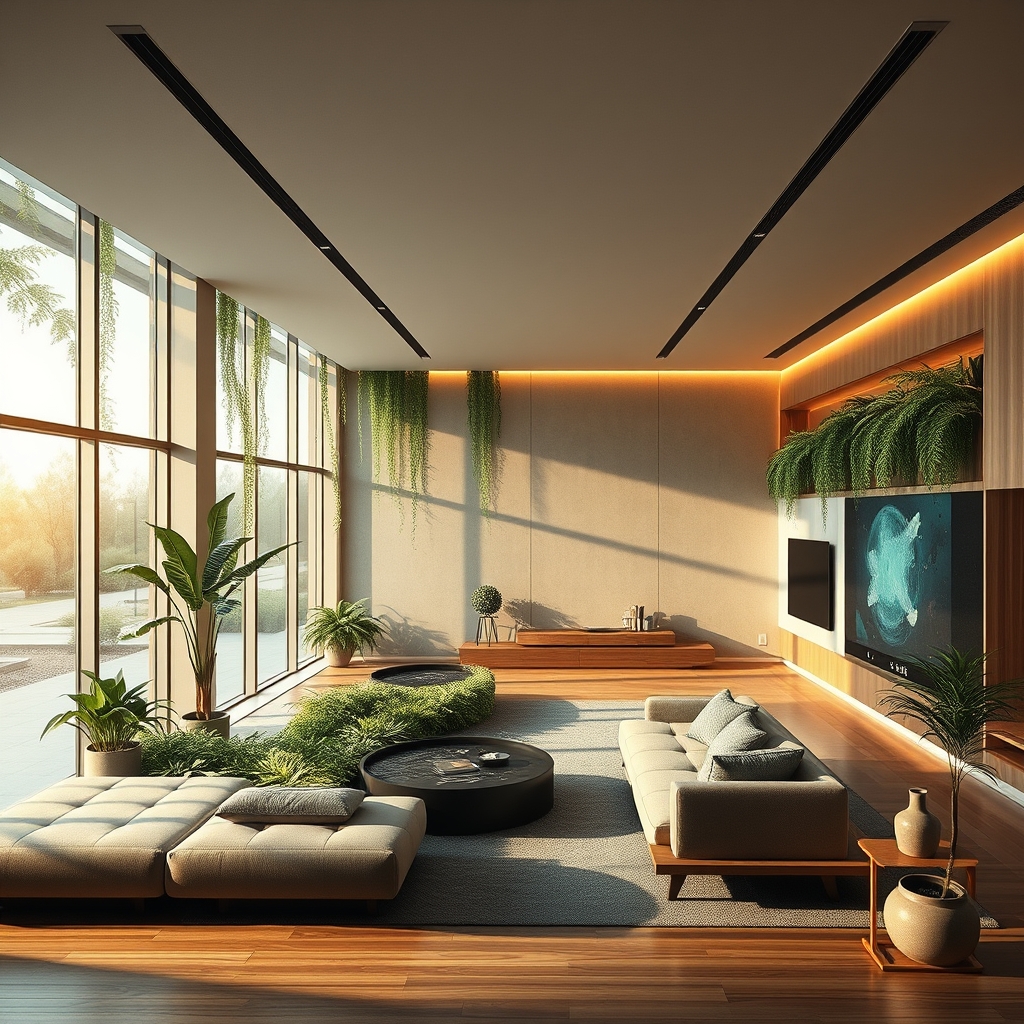
Imagine walking into a room and feeling an immediate sense of calm, as if the space itself understands your needs before you even articulate them. This is the power of adaptive living spaces—environments that don’t just respond to our physical presence but engage with our emotions, memories, and even our subconscious. These spaces are not static; they evolve, learn, and adapt, creating a dynamic dialogue between the inhabitant and the architecture. The concept transcends traditional design, where form follows function, and instead, function follows emotion.
The Psychology Behind Adaptive Living Spaces
At the heart of adaptive living spaces lies a deep understanding of human psychology. Our surroundings influence our mood, productivity, and even our decision-making processes. For instance, a study published in the Journal of Environmental Psychology found that individuals in spaces with natural light and organic materials reported lower stress levels and higher creativity. This is not coincidental but a testament to how our brains are wired to respond to certain stimuli. Adaptive living spaces leverage this knowledge, using elements like adjustable lighting, flexible layouts, and sensory-rich materials to create environments that align with our psychological needs.
Consider the role of color in a room. While a vibrant hue might energize someone in the morning, the same color could feel overwhelming by evening. Adaptive spaces address this by incorporating dynamic lighting systems that shift tones throughout the day, mimicking the natural progression of sunlight. Similarly, the placement of furniture can be reconfigured to suit different activities—whether it’s a quiet corner for reading or an open space for socializing. These adjustments are not just about aesthetics; they are about creating a rhythm that resonates with the occupant’s daily life.
The Role of Technology in Crafting Adaptive Environments
Technology is the backbone of adaptive living spaces, enabling them to respond intelligently to human behavior. Smart home systems, for example, can learn an individual’s routines and preferences, adjusting temperature, lighting, and even scent diffusion to create an optimal environment. But technology in adaptive design goes beyond automation. It involves the integration of sensors, AI, and machine learning to create spaces that are not just reactive but predictive. For instance, a bedroom might gradually dim its lights and lower the temperature as bedtime approaches, signaling to the body that it’s time to wind down.
Digital twin interior modeling takes this a step further by creating a virtual replica of a physical space. This allows designers and occupants to experiment with different layouts, materials, and lighting scenarios before implementing changes in the real world. The result is a space that is not only personalized but also continuously optimized for the occupant’s well-being. Imagine a living room that reconfigures itself based on the time of day or the number of people present—expanding or contracting to create the perfect atmosphere for any occasion.
Biophilic Design: Bringing Nature into the Adaptive Equation
No discussion of adaptive living spaces would be complete without addressing biophilic design. Humans have an innate connection to nature, and biophilic design seeks to integrate natural elements into the built environment. This could mean incorporating plants, water features, or natural materials like wood and stone. But in adaptive spaces, biophilic design takes on a new dimension. For example, a wall of living plants might adjust its humidity levels based on the room’s occupancy, or a water feature could activate when the space detects elevated stress levels in its occupants.
The benefits of biophilic design are well-documented. Research has shown that exposure to natural elements can reduce stress, improve cognitive function, and even enhance creativity. In adaptive spaces, these elements are not static but dynamic, responding to the needs of the occupants in real time. A workspace might introduce the sound of flowing water during high-stress periods, or a bedroom could simulate a sunrise with gradually increasing light and bird sounds to ease the transition from sleep to wakefulness.
The Future of Adaptive Living: A Co-Creative Process
The most exciting aspect of adaptive living spaces is their potential to become true collaborators in our daily lives. This is where co-creative design processes come into play. Unlike traditional design, where the architect or designer dictates the final outcome, co-creative design involves the occupant in every step of the process. This could mean using interactive tools to visualize different design options or even allowing the space to evolve based on feedback from its users.
For example, a family might use an app to track how they use their living space over time. The data collected could then inform adjustments to the layout, lighting, or even the placement of furniture. Over time, the space becomes a reflection of the family’s lifestyle, adapting to their changing needs and preferences. This level of personalization is what sets adaptive living spaces apart from traditional design. It’s not just about creating a beautiful space; it’s about crafting an environment that grows and evolves with its occupants.
The Emotional Resonance of Adaptive Spaces
At its core, adaptive living is about creating spaces that resonate emotionally with their occupants. These are environments that don’t just meet our physical needs but also nurture our mental and emotional well-being. They are spaces that feel alive, that respond to us, and that make us feel understood. This emotional resonance is what transforms a house into a home, a workspace into a sanctuary, and a room into a reflection of the people who inhabit it.
The beauty of adaptive living spaces lies in their ability to blur the line between the built environment and the human experience. They remind us that our surroundings are not just passive backdrops to our lives but active participants in our well-being. As technology and design continue to evolve, the possibilities for adaptive living are limitless. We are moving toward a future where our spaces don’t just accommodate us—they anticipate, understand, and even inspire us, creating a harmonious dance between the human and the built environment that feels almost magical.



