
The Breath of Design: How Conscious Material Selection Shapes the Soul of Sustainable Living
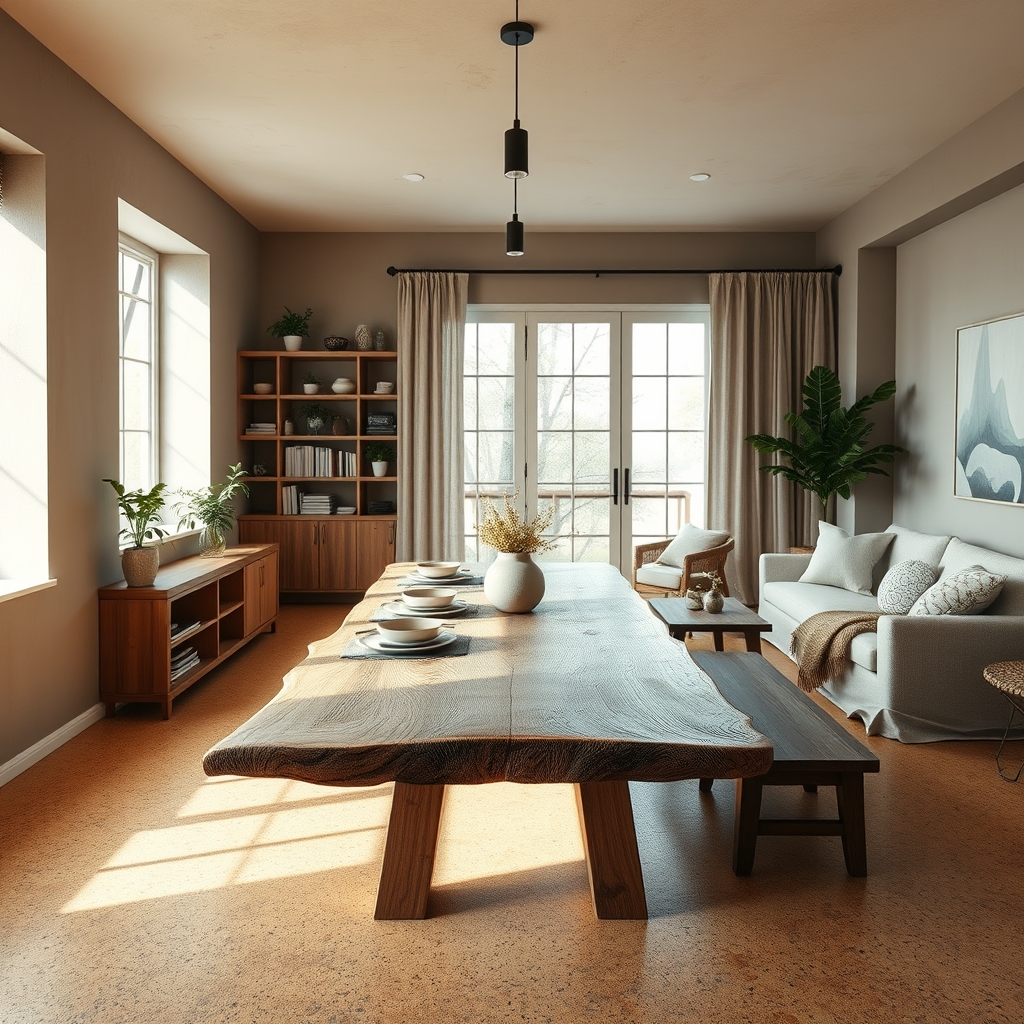
In an era where the built environment often feels detached from the natural world, the materials we choose to surround ourselves with have become more than mere functional elements—they are the silent storytellers of our values, our well-being, and our connection to the earth. Conscious material selection is not just a trend; it is a profound shift in how we perceive and interact with our living spaces. It is the art of choosing substances that do not merely occupy space but enrich it, fostering a dialogue between the inhabitant and the environment that is both nurturing and sustainable.
The Philosophy Behind Conscious Material Selection
At its core, conscious material selection is rooted in the belief that every element within a space should serve a purpose beyond aesthetics. It is about understanding the lifecycle of materials—their origins, their impact on the environment, and their ability to enhance human health. This philosophy challenges the conventional approach to design, where materials are often selected based on cost, availability, or visual appeal alone. Instead, it invites designers and homeowners to consider the deeper implications of their choices: How does this material affect indoor air quality? What is its carbon footprint? Does it contribute to a sense of well-being?
For instance, the use of reclaimed wood in interior design is not just a nod to rustic aesthetics; it is a statement about sustainability and respect for the natural world. Reclaimed wood carries the history of its previous life, adding a layer of narrative to a space that new materials simply cannot replicate. Similarly, the incorporation of natural fibers like linen, hemp, or wool in textiles and furnishings brings a tactile warmth that synthetic materials often lack, while also being biodegradable and non-toxic.
The Sensory Experience of Thoughtful Materials
Materials are not just seen; they are felt, heard, and even smelled. The sensory experience of a space is deeply influenced by the materials used, and conscious selection can transform a room from a static environment into a dynamic, immersive experience. Consider the difference between walking on cold, hard tile versus warm, soft cork flooring. The latter not only provides physical comfort but also absorbs sound, creating a quieter, more serene atmosphere. Similarly, the use of clay plaster on walls can regulate humidity, improve air quality, and add a subtle, earthy texture that engages the sense of touch in a way that painted drywall cannot.
In sensory interior environments, materials play a crucial role in shaping the emotional tone of a space. The natural patina of copper, the smooth coolness of stone, or the softness of untreated wool—each material evokes a different emotional response. By carefully curating these elements, designers can craft spaces that resonate with the inhabitants on a subconscious level, fostering a sense of calm, inspiration, or even joy.
Sustainability Meets Aesthetics: The Dual Imperative
One of the most compelling aspects of conscious material selection is its ability to merge sustainability with beauty. For too long, eco-friendly design was associated with austerity or a lack of sophistication. However, today’s innovative materials prove that sustainability and aesthetics are not mutually exclusive. Take, for example, the use of mycelium-based composites, which are grown from fungal networks and can be molded into furniture or building materials. These materials are not only biodegradable and low-impact but also possess a unique, organic beauty that adds a futuristic yet earthy touch to interiors.
Another example is the resurgence of terrazzo, a composite material made from recycled glass, stone, or other aggregates. Modern terrazzo is not only durable and low-maintenance but also offers endless possibilities for customization, allowing designers to create vibrant, one-of-a-kind surfaces that reflect the personality of the space. By choosing materials like these, homeowners and designers can create interiors that are both visually stunning and environmentally responsible.
The Psychological Impact of Material Choices
The materials we surround ourselves with have a profound impact on our psychological well-being. Studies have shown that natural materials like wood and stone can reduce stress, lower blood pressure, and even improve cognitive function. This is not merely a coincidence; it is a testament to the deep, evolutionary connection humans have with the natural world. When we bring these materials into our homes, we are not just decorating—we are creating a sanctuary that supports our mental and emotional health.
In contrast, synthetic materials, while often more affordable and durable, can sometimes contribute to a sense of disconnection or even discomfort. For example, the off-gassing of volatile organic compounds (VOCs) from certain plastics and paints can negatively affect indoor air quality, leading to headaches, allergies, and other health issues. By opting for non-toxic, natural materials, we can create spaces that are not only beautiful but also conducive to well-being.
Cultural Narratives and Personal Identity
Materials also serve as a bridge between personal identity and cultural heritage. In many cultures, certain materials hold symbolic significance, representing values, traditions, or even spiritual beliefs. For instance, the use of bamboo in Asian interiors is not just a design choice; it is a reflection of cultural values such as resilience, flexibility, and harmony with nature. Similarly, the incorporation of handwoven textiles or locally sourced stone can ground a space in its geographical and cultural context, creating a sense of belonging and authenticity.
For individuals, the materials chosen for a home can be a reflection of personal values and experiences. A traveler might incorporate textiles from different parts of the world, each piece telling a story of a journey or a connection to a particular place. A minimalist might opt for raw, unfinished materials that emphasize simplicity and intentionality. In this way, conscious material selection becomes a form of self-expression, allowing individuals to craft spaces that are deeply personal and meaningful.
The Future of Conscious Material Selection
As technology advances, so too do the possibilities for conscious material selection. Innovations like biofabricated materials, which are grown from living organisms, or 3D-printed building components made from recycled waste, are pushing the boundaries of what is possible in sustainable design. These materials not only reduce environmental impact but also open up new avenues for creativity and customization.
Moreover, the rise of digital twin interior modeling is enabling designers to simulate the performance of materials before they are even installed. This technology allows for precise planning, ensuring that materials not only look good but also function optimally in terms of energy efficiency, durability, and comfort. As these tools become more accessible, they will empower homeowners and designers to make even more informed, conscious choices about the materials they bring into their spaces.
The materials we choose to live with are more than just the building blocks of our homes—they are the foundation of our daily experiences. They shape how we feel, how we interact with our environment, and how we connect with the world around us. By embracing conscious material selection, we are not just designing spaces; we are crafting environments that nurture our souls, honor the planet, and reflect the best of who we are. In this way, every choice becomes an opportunity to create a home that is not only beautiful but also deeply, authentically alive.



