The Subtle Art of Layered Lighting: Illuminating Modern Homes with Depth and Drama
Lighting is often the unsung hero of modern home design, quietly shaping the mood, functionality, and aesthetic of a space. Yet, many homeowners overlook its potential, settling for a single overhead fixture or basic task lighting. The truth is, mastering the art of layered lighting can transform a house into a dynamic, inviting sanctuary—one that adapts to your needs while elevating the design. This approach isn’t just about brightness; it’s about creating depth, contrast, and a sense of intentionality that makes a home feel truly lived-in and luxurious.
The Three Pillars of Layered Lighting
Layered lighting rests on three foundational elements: ambient, task, and accent lighting. Each serves a distinct purpose, and when combined, they create a harmonious balance that flatters the architecture and enhances daily living.
Ambient Lighting: The Foundation
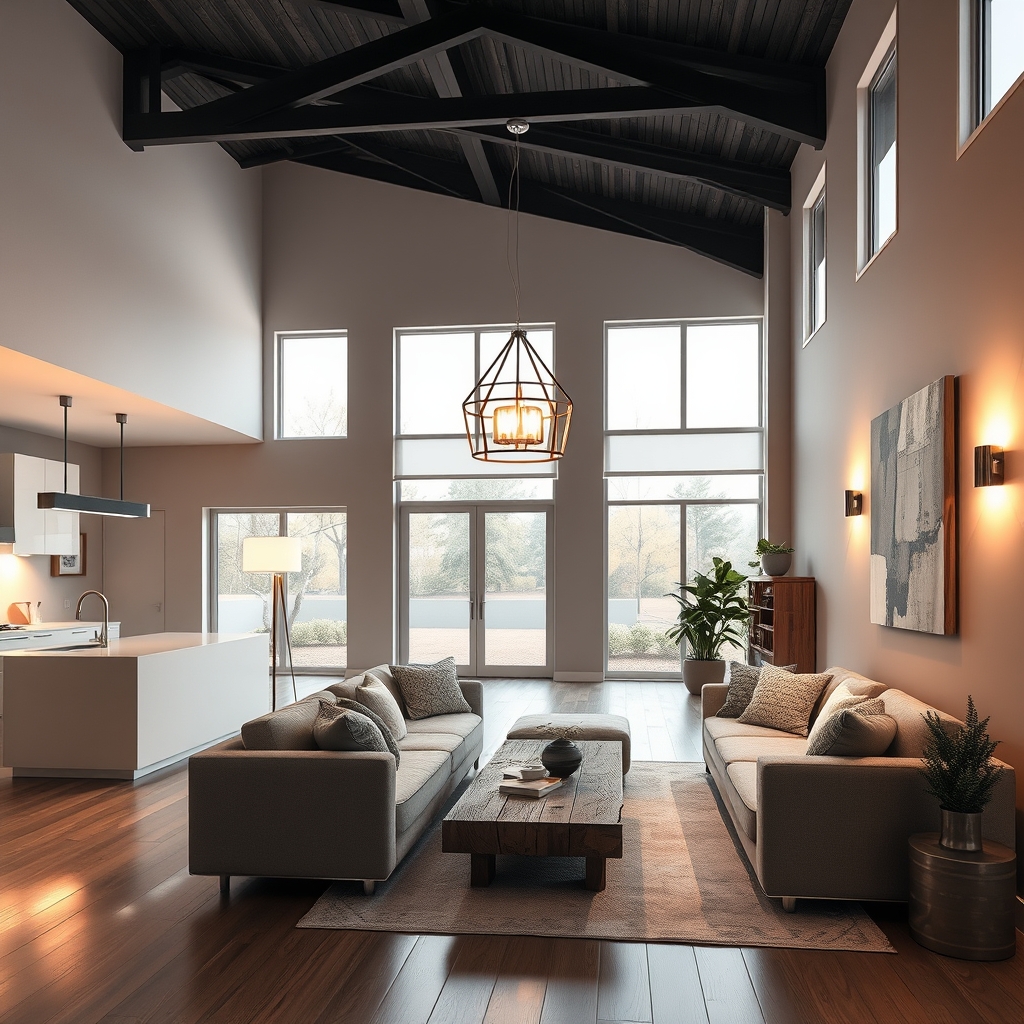
Ambient lighting, often referred to as general lighting, is the base layer that provides overall illumination. It ensures a space is functional and safe, allowing you to move around without straining your eyes. In modern homes, ambient lighting is rarely limited to a single central fixture. Instead, designers are opting for recessed lighting, cove lighting, or large, diffused pendants that distribute light evenly. The key is to avoid harsh glare while maintaining a soft, welcoming glow. For example, a contemporary living room might feature a combination of recessed LEDs and a statement chandelier with a dimmable bulb, allowing the homeowner to adjust the brightness to suit the occasion.
Task Lighting: Precision and Purpose
Task lighting is all about functionality, providing focused illumination for specific activities like reading, cooking, or working. In a modern kitchen, under-cabinet LEDs or pendant lights over an island ensure that meal prep is a breeze. In a home office, a sleek desk lamp with adjustable brightness can reduce eye strain during long work sessions. The best task lighting is both practical and stylish, seamlessly integrating into the design without drawing attention away from the overall aesthetic. For instance, a minimalist bathroom might feature backlit mirrors or sconces flanking the vanity, offering even lighting for grooming while adding a touch of sophistication.
Accent Lighting: The Art of Highlighting
Accent lighting is where creativity truly shines. This layer is used to draw attention to architectural features, artwork, or decorative elements, adding drama and visual interest. Picture lights, track lighting, or even strategically placed floor lamps can create pools of light that guide the eye and emphasize the unique character of a space. In a modern living room, accent lighting might highlight a gallery wall, a textured accent wall, or a sculptural piece of furniture. The goal is to create contrast—bright areas that stand out against darker, more subdued surroundings—adding depth and dimension to the room.
Designing with Light: Trends and Techniques
Modern lighting design goes beyond functionality; it’s an opportunity to make a statement. One of the most exciting trends is the use of smart lighting systems, which allow homeowners to control brightness, color temperature, and even hue with the tap of a smartphone or a voice command. Imagine walking into your home and having the lights automatically adjust to a warm, inviting tone in the evening, or setting a “focus mode” that mimics natural daylight during the day. These systems not only enhance convenience but also contribute to energy efficiency, reducing electricity consumption without sacrificing comfort.
Another trend gaining traction is the use of organic and sustainable materials in lighting fixtures. Designers are increasingly turning to materials like rattan, bamboo, and recycled glass to create pieces that are as eco-friendly as they are stylish. A large, woven pendant light in a dining room or a cluster of glass-blown bulbs in a hallway can add texture and warmth, reinforcing the connection between modern design and nature.
For those who love a touch of drama, statement lighting is a must. Oversized chandeliers, sculptural floor lamps, or bold, geometric pendants can serve as the focal point of a room, anchoring the space and tying together the design. In an open-concept living area, a striking fixture can define zones—such as a dining area or a lounge space—while maintaining a cohesive look. The key is to choose a piece that complements the scale of the room and the existing decor, ensuring it enhances rather than overwhelms the space.
Practical Tips for Implementing Layered Lighting
If you’re ready to embrace layered lighting in your home, start by assessing the natural light in each room. South-facing spaces with large windows may require less ambient lighting during the day, while north-facing rooms might benefit from additional layers to combat cool, dim conditions. Next, consider the activities that take place in each space. A kitchen, for example, will need robust task lighting for cooking, while a bedroom might prioritize soft, adjustable lighting for relaxation.
When selecting fixtures, think about the mood you want to create. Warm white bulbs (2700K-3000K) are ideal for living rooms and bedrooms, where a cozy atmosphere is desired. Cooler tones (3500K-4100K) work well in kitchens and bathrooms, where clarity and focus are important. Dimmable bulbs are a game-changer, allowing you to adjust the lighting to suit different times of day or occasions. Don’t forget to layer in accent lighting to highlight your favorite features—whether it’s a piece of art, a textured wall, or a collection of books.
Finally, don’t be afraid to experiment. Lighting is one of the most flexible elements of home design, and small changes can make a big impact. Swap out a dated fixture for a modern pendant, add a floor lamp to a dark corner, or install under-cabinet lighting in the kitchen. Each adjustment brings you one step closer to a home that feels dynamic, intentional, and perfectly suited to your lifestyle.
In a world where homes are increasingly multifunctional—serving as offices, gyms, and entertainment hubs—lighting plays a crucial role in shaping how we experience our spaces. By mastering the art of layering, you can create a home that is not only beautiful but also adaptable, responsive, and deeply personal. The right lighting doesn’t just illuminate a room; it transforms it into a place where every moment feels just right.