
The Hidden Gems of Modern Home Design: Unconventional Ideas to Elevate Your Space
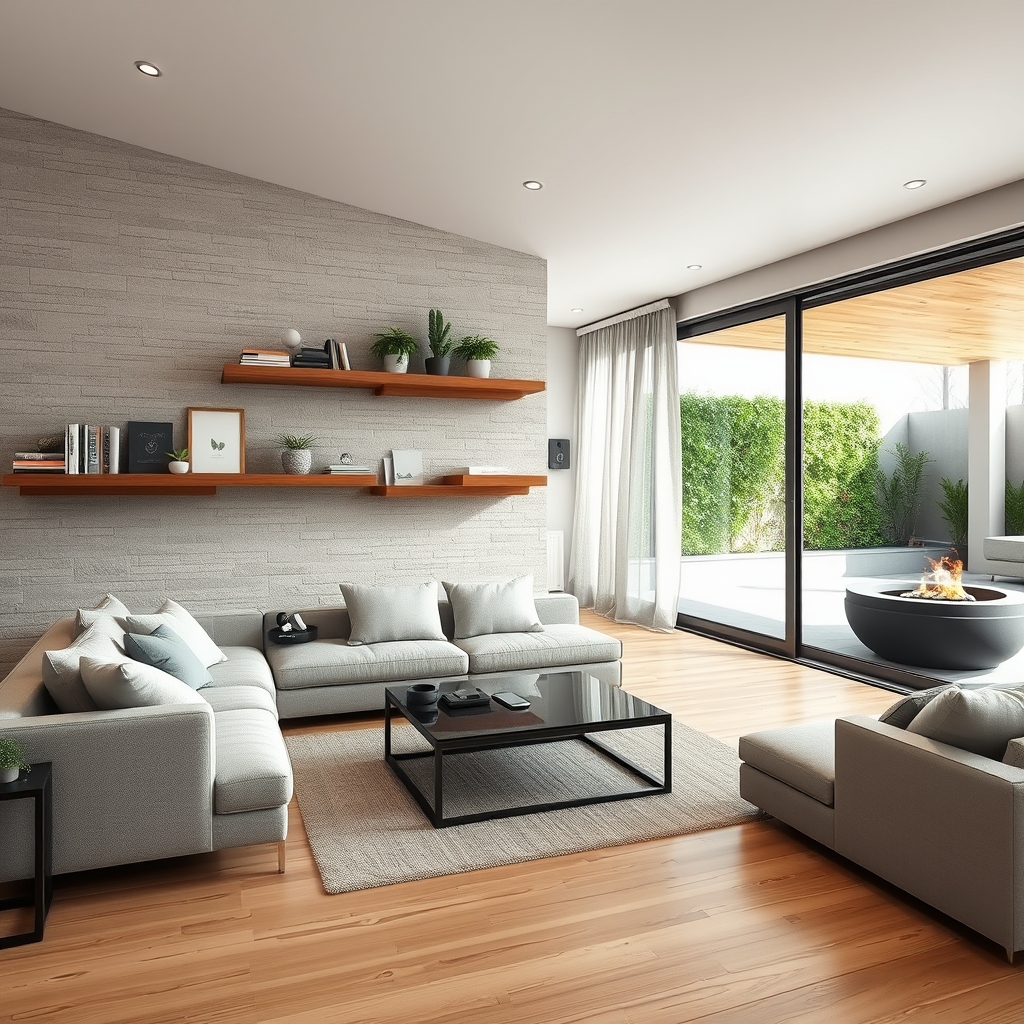
Modern home design is no longer just about sleek lines, neutral palettes, or the latest smart gadgets—though those elements certainly play a role. Today’s most innovative spaces are defined by creativity, personalization, and a willingness to break the rules. Whether you’re renovating a single room or building a custom home from the ground up, thinking outside the conventional design box can transform your space into something truly extraordinary. Here’s how to infuse your home with unexpected yet functional ideas that blend style, sustainability, and smart living.
The Power of Asymmetry in Layouts
For decades, symmetry has dominated interior design, offering a sense of balance and order. However, modern homes are increasingly embracing asymmetry to create dynamic, visually engaging spaces. Asymmetrical layouts can make rooms feel more organic and less rigid, encouraging movement and interaction. Consider, for example, floating shelves of varying lengths arranged in an off-center pattern, or a living room where the sofa and chairs are deliberately misaligned to foster conversation. This approach works particularly well in open-concept living areas, where breaking away from traditional furniture arrangements can define zones without the need for walls or dividers.
In kitchen design, asymmetry can be introduced through mixed cabinetry styles—perhaps pairing open shelving on one side with closed upper cabinets on the other. This not only adds visual interest but also allows for practical storage solutions tailored to your needs. The key is to maintain a sense of harmony by balancing asymmetrical elements with consistent materials, colors, or textures. The result is a space that feels curated, intentional, and far from cookie-cutter.
Material Mixing: Beyond the Expected
Gone are the days when a single material or finish dominated a room. Today’s modern homes thrive on the art of material mixing, where contrasting textures and surfaces create depth and character. Think beyond the typical wood-and-metal combo: consider pairing raw, unfinished concrete with warm, reclaimed wood, or juxtaposing glossy marble countertops with matte, handcrafted tiles. The interplay of rough and smooth, shiny and matte, or natural and industrial can elevate a space from ordinary to extraordinary.
One of the most striking ways to incorporate material mixing is through statement walls. A feature wall clad in textured stone or patterned ceramic tiles can serve as a focal point in a living room or bedroom, while a kitchen backsplash combining glass, metal, and stone can add layers of visual intrigue. Don’t shy away from bold combinations—mixing metals like brass, black steel, and copper can add warmth and sophistication, especially when balanced with neutral tones. The trick is to limit the palette to three or four materials to avoid visual clutter, ensuring each element has room to shine.
Sustainable Surprises: Eco-Friendly with a Twist
Sustainability in home design is no longer just about energy-efficient appliances or solar panels—it’s about reimagining how we use materials and resources in unexpected ways. One of the most exciting trends is the use of upcycled or reclaimed materials in unconventional applications. For instance, old shipping containers are being transformed into stylish backyard studios or guest houses, while reclaimed barn wood is finding new life as ceiling cladding or accent walls. These materials not only reduce waste but also add a story and character to your home that new materials simply can’t match.
Another innovative approach is the integration of living materials into your design. Green walls or vertical gardens are a stunning way to bring nature indoors, improving air quality while adding a lush, vibrant backdrop to any room. For a subtler touch, consider incorporating biophilic design elements like moss art, which requires no maintenance and adds a soft, organic texture to walls or shelves. Even furniture is getting a sustainable makeover, with designers crafting pieces from recycled plastics, reclaimed metals, or fast-growing bamboo. These choices don’t just look good—they reflect a commitment to a healthier planet and a more mindful way of living.
Tech That Doesn’t Scream “Tech”
Smart home technology has come a long way from clunky gadgets and visible wires. The latest innovations are all about seamless integration, where tech enhances your lifestyle without drawing attention to itself. Imagine motorized window treatments that adjust automatically based on the time of day, or a kitchen faucet that dispenses precise amounts of water with a simple voice command. These features are designed to blend into the background, making your home more functional without sacrificing aesthetics.
One of the most exciting developments in smart home design is the rise of invisible tech. Wireless charging stations embedded into countertops or nightstands eliminate the need for unsightly cords, while hidden speakers and projectors can transform a living room into a home theater without a single visible device. Even lighting has become more sophisticated, with LED strips and recessed fixtures that can be controlled via smartphone or voice assistant, allowing you to adjust the ambiance with ease. The goal is to create a home that feels intuitive and effortless, where technology enhances your daily routine without overwhelming the space.
Small Spaces, Big Impact
Designing for small spaces doesn’t mean compromising on style or functionality. In fact, compact homes often inspire the most creative solutions. One of the most effective strategies is to embrace multi-functional furniture, such as a sofa that converts into a guest bed or a coffee table with built-in storage. These pieces maximize every square inch, allowing you to live comfortably without feeling cramped. Another clever idea is to use mirrors strategically to create the illusion of more space. A large mirror placed opposite a window can reflect natural light, making a room feel brighter and more open, while mirrored furniture or decor can add a touch of glamour without overwhelming the space.
Vertical space is often underutilized in small homes, but it’s a goldmine for storage and design opportunities. Floor-to-ceiling shelving can house books, plants, and decor while drawing the eye upward, making the room feel taller. In the kitchen, hanging pot racks or magnetic knife strips free up cabinet space, while in the bathroom, wall-mounted vanities and floating shelves keep the floor clear and the room feeling airy. The key is to think beyond the floor plan and consider how every surface—walls, ceilings, and even doors—can serve a purpose.
The Outdoor-Indoor Connection
Modern home design is increasingly blurring the lines between indoor and outdoor living. This trend goes beyond adding a patio or deck—it’s about creating a seamless transition between the two spaces, where the boundaries feel fluid and intentional. Large sliding or folding glass doors are a popular choice, as they can open up an entire wall to the outdoors, effectively expanding your living space. But the connection doesn’t stop at the door. Consider extending your interior flooring outside to create a cohesive look, or using similar materials and colors in both spaces to reinforce the flow.
Outdoor rooms are becoming just as thoughtfully designed as their indoor counterparts. Covered patios with weather-resistant furniture, outdoor kitchens with built-in grills and refrigerators, and even outdoor living rooms with fire pits and cozy seating are transforming backyards into true extensions of the home. For those with limited outdoor space, even a small balcony can be turned into a lush retreat with potted plants, string lights, and a compact seating area. The goal is to create a space that feels like a natural extension of your home, where you can relax, entertain, and connect with nature without stepping inside.
Designing a modern home is an opportunity to express your personality, values, and lifestyle in ways that go beyond the surface. By embracing asymmetry, mixing materials, integrating sustainable and smart solutions, and blurring the lines between indoor and outdoor spaces, you can create a home that is not only beautiful but also uniquely yours. The best spaces are those that evolve with you, reflecting your journey and adapting to your needs, all while pushing the boundaries of what a home can be. Whether you’re starting from scratch or giving an existing space a refresh, the key is to approach the process with curiosity and a willingness to experiment—because the most memorable homes are the ones that dare to be different.



