The Future of Home Design: Merging Minimalism, Smart Tech, and Eco-Conscious Living
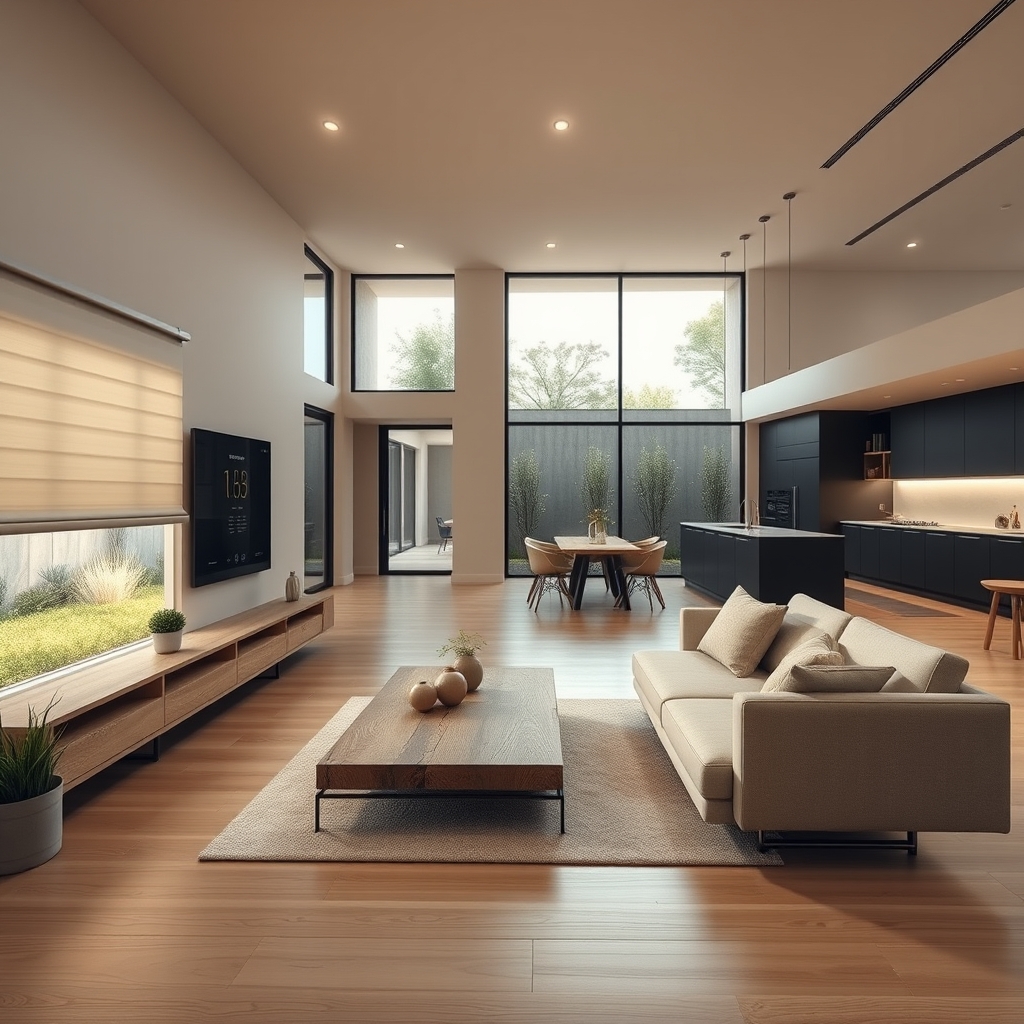
The evolution of home design is no longer just about aesthetics—it’s about creating spaces that align with our values, enhance our daily lives, and adapt to the future. As urban living spaces shrink and environmental concerns grow, homeowners and designers are embracing a philosophy that prioritizes simplicity, functionality, and sustainability. This shift is redefining what it means to live comfortably and responsibly in the 21st century.
The Rise of Minimalist Living Spaces
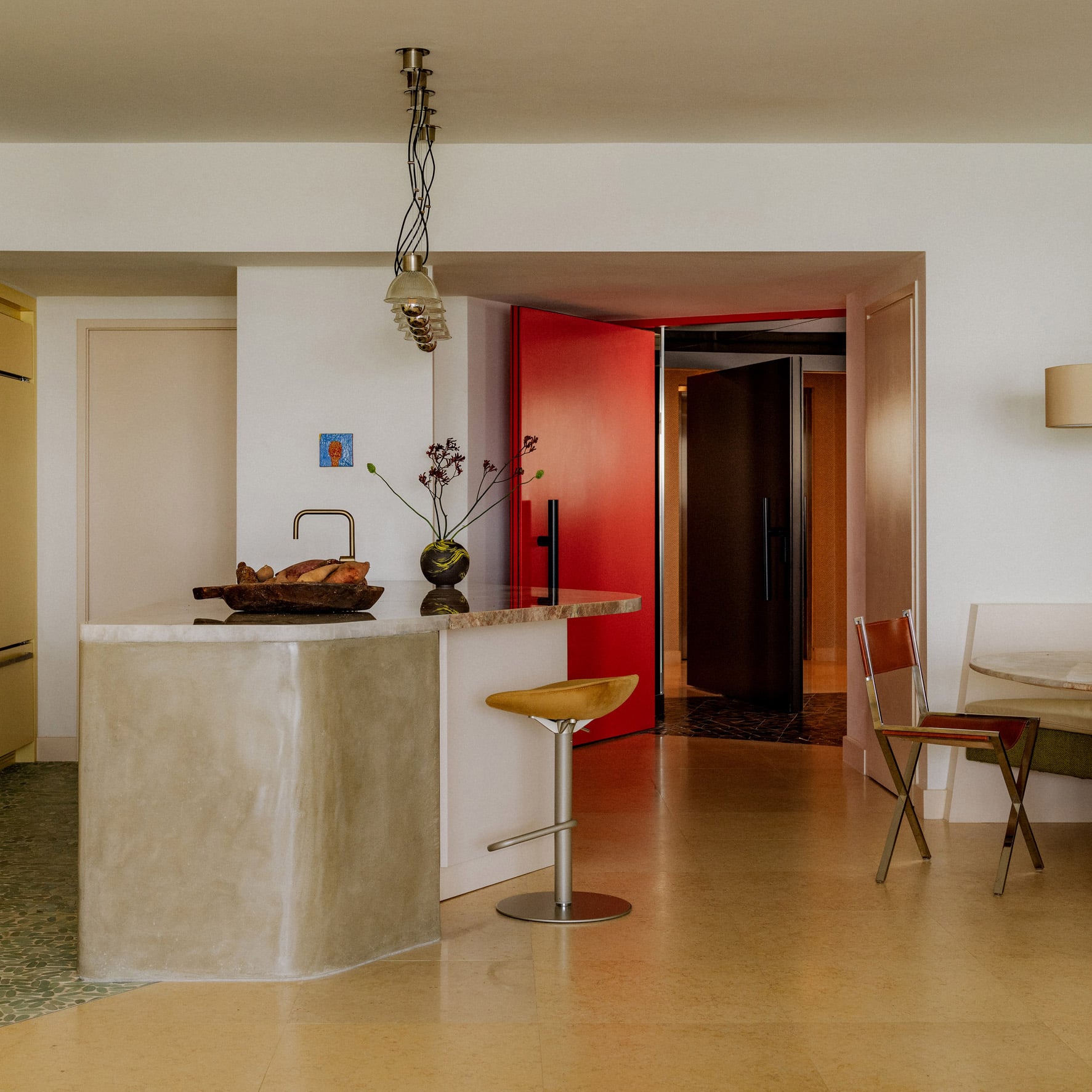
Minimalism has moved beyond a fleeting trend to become a lifestyle choice for many. The appeal lies in its ability to reduce clutter, both physically and mentally, fostering a sense of calm and order. Modern minimalist design focuses on clean lines, neutral color palettes, and multifunctional furniture that maximizes space without sacrificing style. For small apartments or compact homes, this approach is particularly effective, proving that less can indeed be more.
Incorporating minimalism doesn’t mean stripping a home of personality. Instead, it’s about curating a space with intentionality—choosing pieces that serve a purpose while evoking emotion. Think of a sleek, low-profile sofa paired with a statement coffee table made from reclaimed wood, or built-in shelving that doubles as a room divider. These elements create a harmonious balance between form and function, making minimalism accessible and livable.
Smart Home Technology: The Backbone of Modern Living
Technology has seamlessly integrated into our homes, transforming the way we interact with our spaces. Smart home systems are no longer a luxury but a necessity for those seeking convenience, security, and energy efficiency. From voice-activated assistants that control lighting and temperature to automated blinds that adjust based on sunlight, these innovations are making homes more responsive and intuitive.
One of the most significant advancements is the rise of energy-efficient smart devices. Smart thermostats, for example, learn your habits and optimize heating and cooling to reduce energy consumption. Similarly, smart lighting systems can be programmed to turn off when rooms are unoccupied, cutting down on electricity waste. These technologies not only lower utility bills but also contribute to a more sustainable lifestyle, aligning with the growing demand for eco-friendly living.
Sustainable Design: Building for the Future
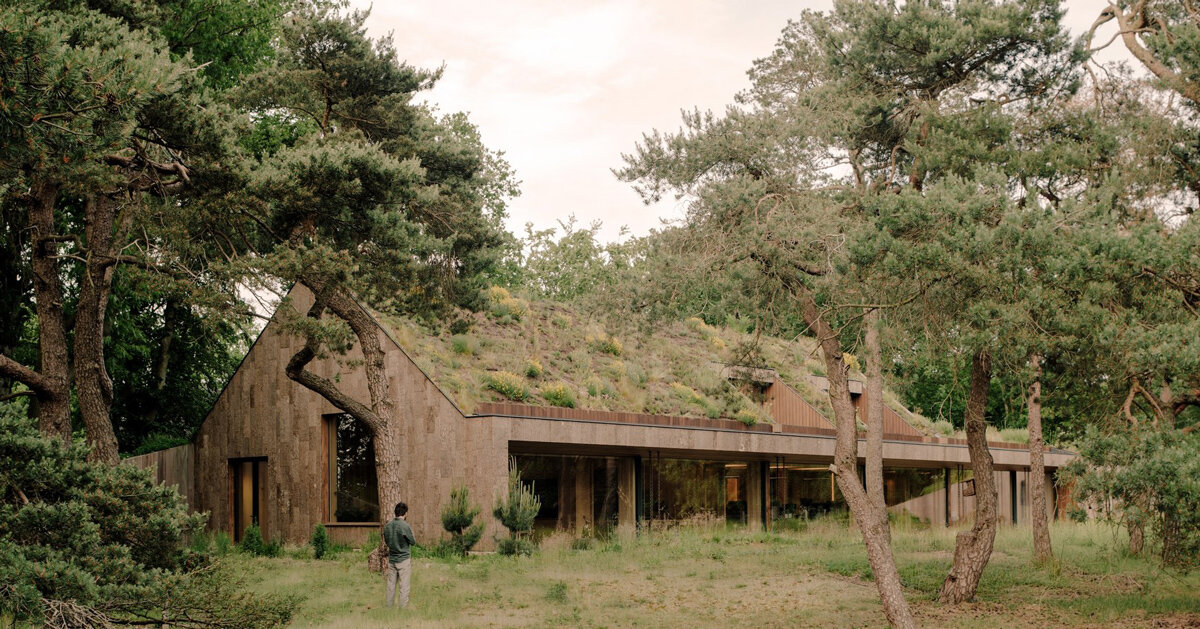
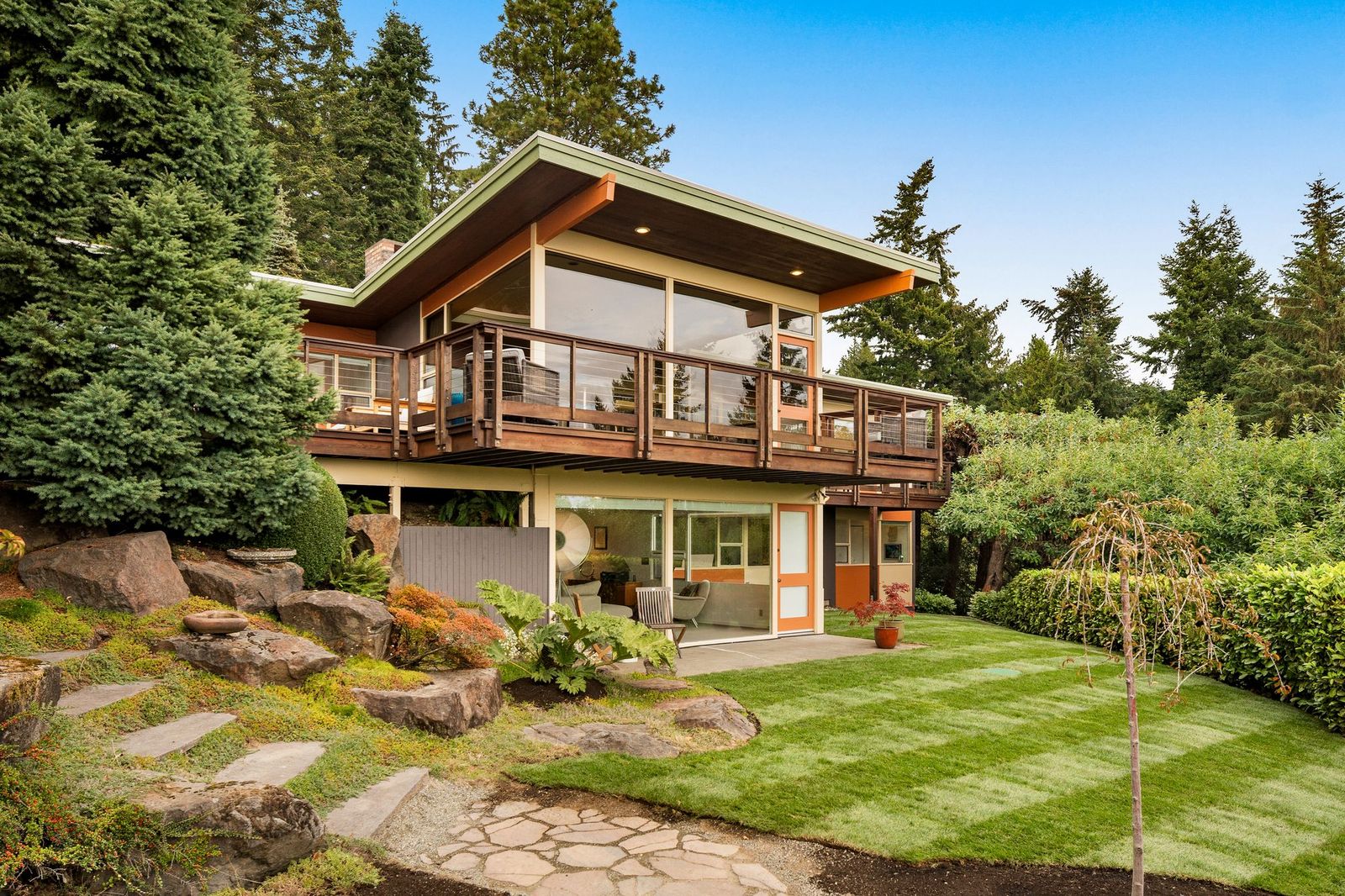
Sustainability is at the heart of modern home design, influencing everything from material selection to construction methods. Homeowners are increasingly opting for eco-friendly materials like bamboo, cork, and recycled steel, which are durable, renewable, and have a lower environmental impact. Additionally, passive design strategies—such as orienting a home to maximize natural light and ventilation—are becoming standard practice in new builds and renovations.
For those embarking on home renovations, sustainability can be incorporated in subtle yet impactful ways. Installing solar panels, using low-VOC paints, or choosing water-saving fixtures are small changes that collectively make a big difference. Even outdoor spaces are getting a green makeover, with drought-resistant landscaping and permeable paving becoming popular choices for reducing water usage and preventing runoff.
Open Concept Living: Breaking Down Barriers
The open concept layout remains a favorite among homeowners, particularly in urban settings where space is at a premium. By removing walls between the kitchen, living, and dining areas, this design creates a sense of spaciousness and encourages social interaction. It’s a layout that adapts well to both entertaining and everyday living, making it a versatile choice for modern families.
However, open concept living isn’t without its challenges. Noise can travel more easily, and the lack of defined spaces can make it difficult to create distinct zones. To address these issues, designers are turning to creative solutions like sliding glass doors, room dividers, and strategic furniture placement. These elements help maintain the openness while providing the flexibility to define areas as needed.
Luxury Meets Practicality: The New Definition of High-End Design
Luxury home design is no longer synonymous with excess. Today’s high-end homes prioritize quality, craftsmanship, and thoughtful details over ostentatious displays of wealth. Custom millwork, handcrafted tiles, and bespoke furniture are just a few examples of how luxury is being redefined. These elements add a layer of sophistication and personalization that mass-produced items simply can’t match.
Another hallmark of modern luxury is the integration of wellness-focused features. Home spas with steam showers, heated floors, and meditation rooms are becoming common in high-end designs. These spaces are designed to promote relaxation and well-being, reflecting a broader cultural shift toward self-care and mindfulness. Even outdoor living areas are being elevated with features like outdoor kitchens, fire pits, and cozy seating nooks, blurring the line between indoor and outdoor living.
DIY Home Projects: Empowering Homeowners
The DIY movement has gained momentum as homeowners seek to personalize their spaces without breaking the bank. From upcycling old furniture to installing peel-and-stick backsplashes, there are countless ways to refresh a home with a hands-on approach. Social media platforms like Pinterest and Instagram have made it easier than ever to find inspiration and step-by-step tutorials, empowering even novice DIYers to tackle projects with confidence.
However, not all projects are created equal. It’s important to know when to call in a professional, especially for tasks that require specialized skills or permits. Electrical work, plumbing, and structural changes are best left to licensed contractors to ensure safety and compliance with building codes. For those who prefer a hybrid approach, hiring a contractor for the heavy lifting while handling the finishing touches themselves can be a cost-effective compromise.
The way we design and live in our homes is undergoing a profound transformation. As we move toward a future where efficiency, sustainability, and technology intersect, our living spaces are becoming more than just shelters—they’re reflections of our values and aspirations. Whether through the simplicity of minimalism, the innovation of smart tech, or the responsibility of sustainable design, the homes of tomorrow are being built today, one thoughtful choice at a time.