
The Rise of Japandi Design: Merging Scandinavian Simplicity with Japanese Serenity for Modern Homes
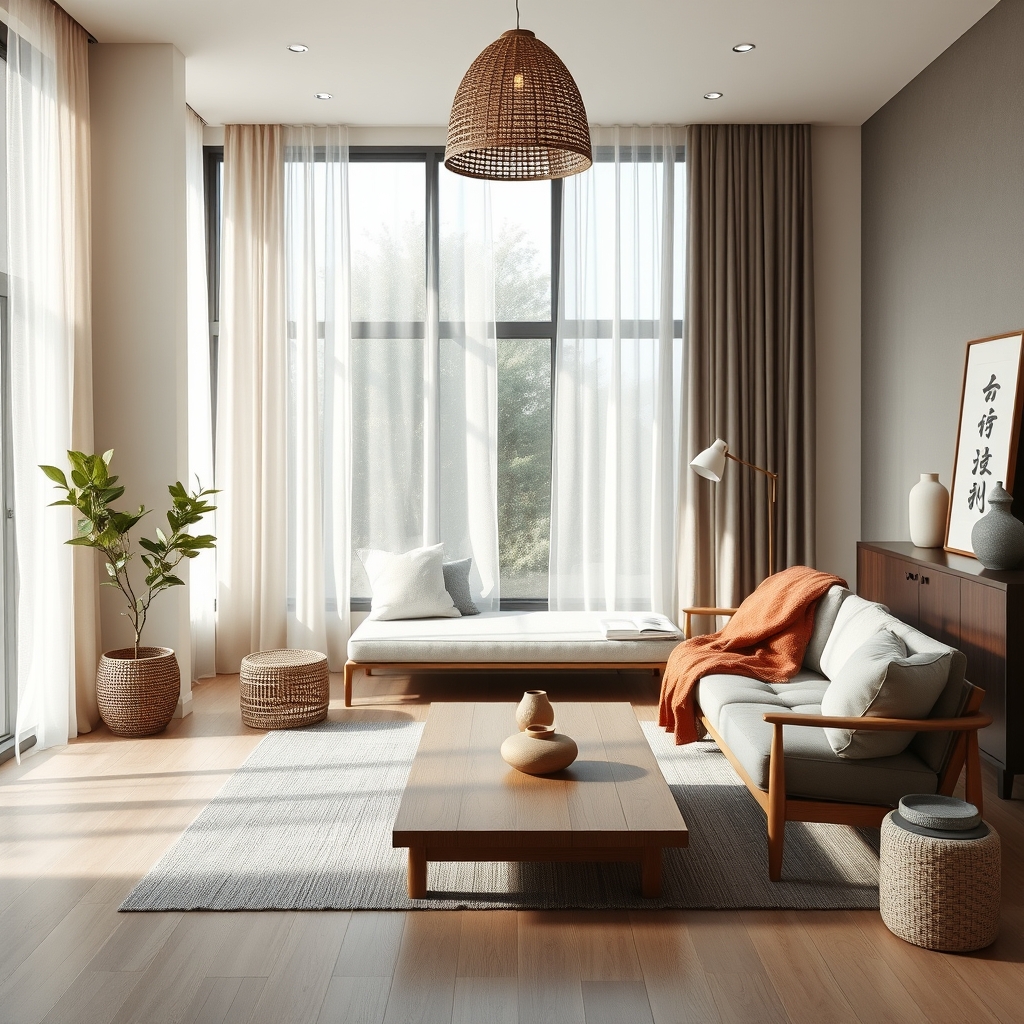
In the ever-evolving world of interior design, a harmonious fusion of two distinct yet complementary aesthetics has emerged as a leading trend: Japandi design. This style marries the minimalist functionality of Scandinavian design with the tranquil elegance of Japanese interiors, creating spaces that are not only visually stunning but also deeply calming and purposeful. As modern homeowners increasingly seek balance between simplicity and warmth, Japandi design offers a refreshing approach to crafting living spaces that feel both contemporary and timeless.
The Philosophy Behind Japandi Design
At its core, Japandi design is rooted in the shared values of Scandinavian and Japanese cultures: simplicity, functionality, and a deep respect for nature. Scandinavian design, born out of the harsh Nordic climate, emphasizes light, airy spaces with a focus on practicality and coziness—often referred to as “hygge.” Japanese design, on the other hand, is influenced by the principles of “wabi-sabi,” which finds beauty in imperfection, and “ma,” the concept of negative space. Together, these philosophies create a design language that prioritizes mindful living, uncluttered spaces, and a connection to the natural world.
Key Elements of Japandi Interiors
Japandi design is characterized by several defining features that set it apart from other modern styles. First and foremost is its minimalist approach. Spaces are kept free of unnecessary clutter, with each piece of furniture and decor serving a purpose. Clean lines and organic shapes dominate, creating a sense of order and tranquility. Neutral color palettes—think soft whites, warm beiges, muted grays, and earthy tones—form the foundation, often accented by deeper hues like indigo, charcoal, or terracotta to add depth and warmth.
Natural materials play a pivotal role in Japandi design. Wood, particularly light-toned varieties like oak, ash, or birch, is a staple, often left in its natural state or lightly stained to preserve its organic texture. Stone, bamboo, rattan, and linen are also commonly used, adding layers of tactile richness to the space. These materials not only enhance the aesthetic but also foster a sense of connection to nature, a key tenet of both Scandinavian and Japanese design.
Furniture and Layout: Function Meets Form
Furniture in Japandi interiors is a study in understated elegance. Pieces are low to the ground, echoing traditional Japanese furniture, while maintaining the ergonomic comfort associated with Scandinavian design. Think sleek, streamlined sofas, minimalist dining tables, and multifunctional storage solutions that blend seamlessly into the space. The layout is intentional, with a focus on creating flow and balance. Open floor plans are common, but even in smaller spaces, the arrangement of furniture encourages movement and interaction while maintaining a sense of privacy and calm.
One of the most appealing aspects of Japandi furniture is its versatility. Many pieces are designed to serve multiple purposes, such as a coffee table with built-in storage or a bench that doubles as a sideboard. This functional approach aligns perfectly with the modern homeowner’s desire for spaces that are both beautiful and practical. Additionally, the emphasis on craftsmanship ensures that each piece is not only durable but also a work of art in its own right, often handcrafted by skilled artisans.
Incorporating Japandi Design into Your Home
Bringing Japandi design into your home doesn’t require a complete overhaul. Start by decluttering your space and paring down your belongings to only what you truly need and love. This aligns with the minimalist ethos of both Scandinavian and Japanese design and instantly creates a sense of calm. Next, focus on your color palette. Opt for neutral, earthy tones as your base and introduce deeper accents through textiles, artwork, or decor. A single statement piece, such as a dark wooden sideboard or an indigo throw pillow, can add depth without overwhelming the space.
Lighting: The Subtle Art of Illumination
Lighting is a crucial element in Japandi design, as it sets the mood and enhances the natural beauty of the space. Natural light is prioritized, with large windows, sheer curtains, and strategically placed mirrors to amplify its presence. For artificial lighting, opt for warm, diffused sources that create a soft, inviting glow. Paper lanterns, woven pendant lights, and minimalist floor lamps are all excellent choices. Layering different types of lighting—ambient, task, and accent—adds depth and dimension to the space, making it feel more dynamic and lived-in.
Textiles and Decor: Adding Warmth and Texture
While Japandi design is minimalist, it is far from cold or sterile. Textiles play a vital role in adding warmth and texture to the space. Linen curtains, wool throws, and cotton rugs introduce softness and coziness, while also providing an opportunity to incorporate subtle patterns or textures. When it comes to decor, less is more. A single piece of handmade pottery, a framed piece of calligraphy, or a small indoor plant can serve as a focal point without detracting from the overall simplicity of the space. The key is to choose items that resonate with you personally and contribute to the sense of harmony and balance.
The Future of Japandi Design
As the world becomes increasingly fast-paced and chaotic, the appeal of Japandi design lies in its ability to create sanctuaries of calm and order. This trend is not just a fleeting fad but a reflection of a broader cultural shift toward mindful living and sustainability. Homeowners are increasingly seeking spaces that not only look beautiful but also feel good to live in—spaces that promote well-being, reduce stress, and foster a deeper connection to the natural world. Japandi design delivers on all these fronts, offering a blueprint for modern living that is as functional as it is aesthetically pleasing.
Moreover, the principles of Japandi design align perfectly with the growing demand for sustainable and eco-friendly homes. By prioritizing natural materials, craftsmanship, and longevity, this style inherently reduces waste and encourages a more conscious approach to consumption. As more people embrace the idea of “slow living,” Japandi design is poised to become a lasting influence in the world of interior design, shaping the way we think about and create our living spaces for years to come. The beauty of Japandi lies in its ability to adapt to any home, whether it’s a compact urban apartment or a sprawling countryside retreat, making it a versatile and enduring choice for modern living.



