
The Hidden Potential of Vertical Space: Transforming Modern Homes with Smart Storage and Design
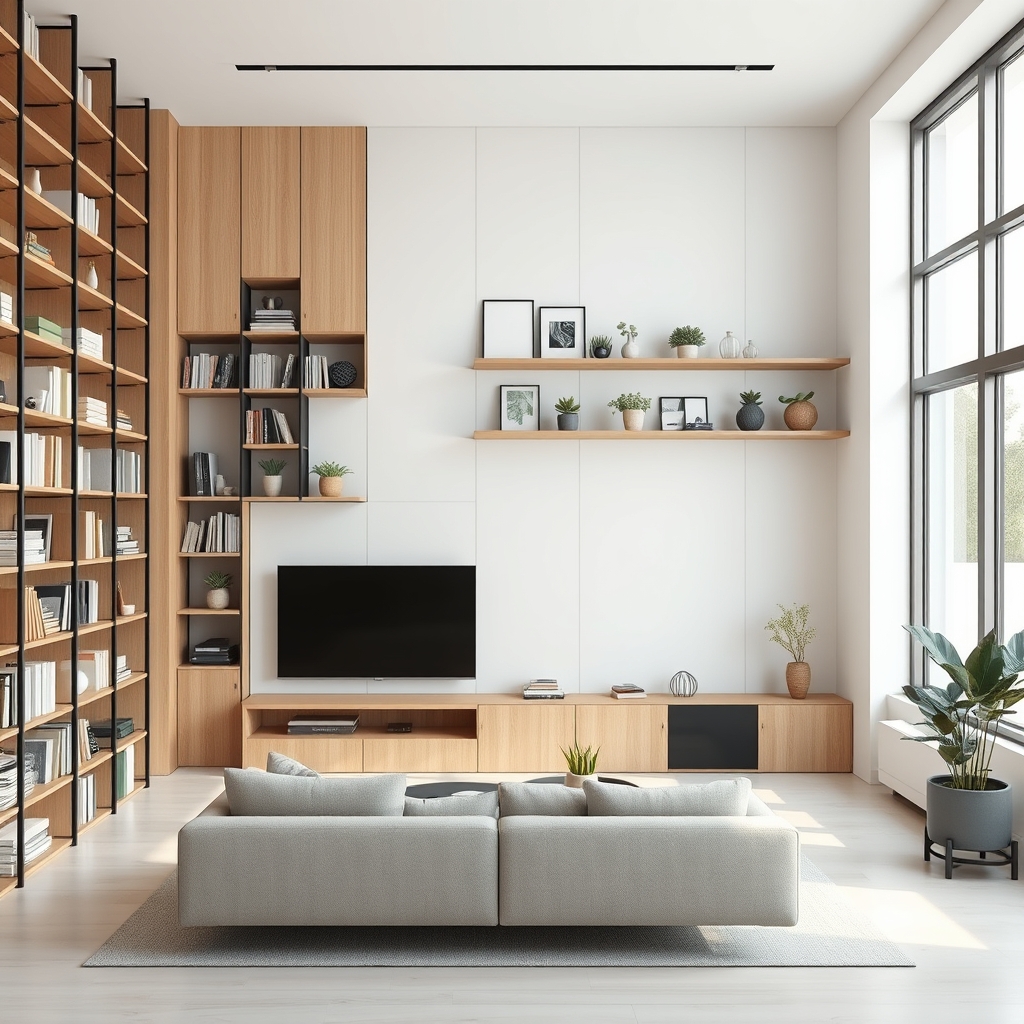
In the ever-evolving landscape of modern home design, one principle has emerged as a game-changer for both aesthetics and functionality: the mastery of vertical space. As urban living spaces shrink and the demand for open, airy environments grows, homeowners and designers alike are turning their gaze upward, unlocking a world of possibilities that redefine how we interact with our living spaces. This shift isn’t just about adding shelves or cabinets; it’s about reimagining the very framework of our homes to create environments that are as efficient as they are elegant.
The Philosophy Behind Vertical Living
Vertical space utilization is rooted in the idea that every inch of a home should serve a purpose, whether practical or aesthetic. In modern home design, this philosophy aligns seamlessly with the principles of minimalist living and open-concept layouts, where clutter is minimized, and every element is intentional. By leveraging walls, ceilings, and even the often-overlooked areas above doorways, homeowners can create storage solutions that are both invisible and impactful. This approach not only maximizes square footage but also enhances the visual flow of a space, making rooms feel larger and more cohesive.
The rise of vertical design is also a response to the growing trend of small space living. In cities where real estate comes at a premium, homeowners are increasingly seeking ways to make compact spaces feel expansive. Vertical storage solutions, such as floor-to-ceiling shelving units or wall-mounted cabinets, allow for ample storage without sacrificing floor space. This is particularly valuable in areas like kitchens and bathrooms, where functionality is paramount, but square footage is often limited.
Innovative Solutions for Modern Homes
One of the most exciting aspects of vertical space design is the sheer creativity it inspires. Custom home builders and interior designers are pushing the boundaries of what’s possible, integrating storage and design elements that are as stylish as they are functional. For example, floating shelves have become a staple in modern interiors, offering a sleek way to display decor while keeping surfaces uncluttered. These shelves can be customized to fit any space, from narrow gaps between windows to expansive living room walls, and can be styled to reflect the homeowner’s personality.
Another innovative solution is the use of modular storage systems. These systems, often made from materials like wood, metal, or glass, can be configured to fit the unique dimensions of a space. They can serve as room dividers in open-concept layouts, providing both storage and a sense of separation without closing off the area. In bedrooms, modular wardrobes can be designed to extend from floor to ceiling, offering a streamlined alternative to traditional closets while maximizing storage capacity.
For those looking to incorporate smart home technology, vertical space offers a wealth of opportunities. Wall-mounted smart displays, such as those used for home automation systems, can be seamlessly integrated into a room’s design. Similarly, vertical gardens or living walls not only add a touch of biophilic design but can also be equipped with smart irrigation systems, blending sustainability with cutting-edge technology. These elements not only enhance the functionality of a space but also contribute to the overall aesthetic, creating a home that is both intelligent and inviting.
Kitchen and Bathroom Transformations
Kitchens and bathrooms are two areas where vertical space design can have a transformative impact. In kitchens, floor-to-ceiling cabinetry can provide ample storage for cookware, pantry items, and small appliances, keeping countertops clear and creating a clean, uncluttered look. Open shelving can be used to display beautiful dishware or cookbooks, adding a personal touch to the space. For those who love to entertain, a vertical wine rack or a wall-mounted spice organizer can be both practical and stylish.
In bathrooms, vertical space is often underutilized, but it holds immense potential. Tall, narrow cabinets can be installed to store toiletries, towels, and cleaning supplies, freeing up valuable counter space. Wall-mounted vanities and mirrors with built-in storage are also gaining popularity, offering a sleek and modern alternative to bulky furniture. For a touch of luxury, consider a vertical towel warmer or a wall-mounted shower caddy that keeps essentials within easy reach while maintaining a spa-like atmosphere.
Outdoor Living and Landscape Design
Vertical space isn’t limited to the indoors. In outdoor living areas, vertical design can transform balconies, patios, and gardens into functional and beautiful extensions of the home. Vertical gardens, for example, allow homeowners to grow herbs, flowers, or even vegetables in small spaces, adding greenery and life to urban environments. These gardens can be designed with built-in irrigation systems, making them low-maintenance and sustainable.
For those with limited outdoor space, vertical storage solutions can be used to organize gardening tools, outdoor cushions, or even bicycles. Wall-mounted planters, trellises, and pergolas can create a sense of privacy and enclosure while maximizing the use of vertical space. In larger outdoor areas, vertical design can be used to create zones for dining, lounging, and entertaining, making the space feel more organized and intentional.
The Future of Vertical Design
As modern home design continues to evolve, vertical space utilization will play an increasingly important role in shaping the homes of the future. Advances in materials and technology are making it easier than ever to create custom solutions that are both functional and beautiful. For example, 3D-printed storage units can be designed to fit the exact dimensions of a space, while smart materials like self-healing surfaces or temperature-regulating finishes can enhance the durability and efficiency of vertical elements.
Sustainability is also a key consideration in the future of vertical design. Homeowners are increasingly seeking eco-friendly materials and solutions that reduce their environmental footprint. Reclaimed wood, recycled metals, and low-VOC finishes are just a few of the options available for creating vertical storage and design elements that are both stylish and sustainable. Additionally, vertical gardens and green walls can improve indoor air quality and reduce energy costs by providing natural insulation.
Vertical space design is more than just a trend; it’s a fundamental shift in how we think about and interact with our living environments. By embracing the potential of walls, ceilings, and overlooked nooks, homeowners can create spaces that are not only more functional but also more reflective of their personal style and values. Whether through sleek floating shelves, modular storage systems, or innovative outdoor solutions, the possibilities are endless. The key is to approach each space with creativity and intention, transforming ordinary rooms into extraordinary sanctuaries that elevate everyday living.



