
The Next Chapter in Modern Home Design: Embracing Adaptive Elegance for Dynamic Living
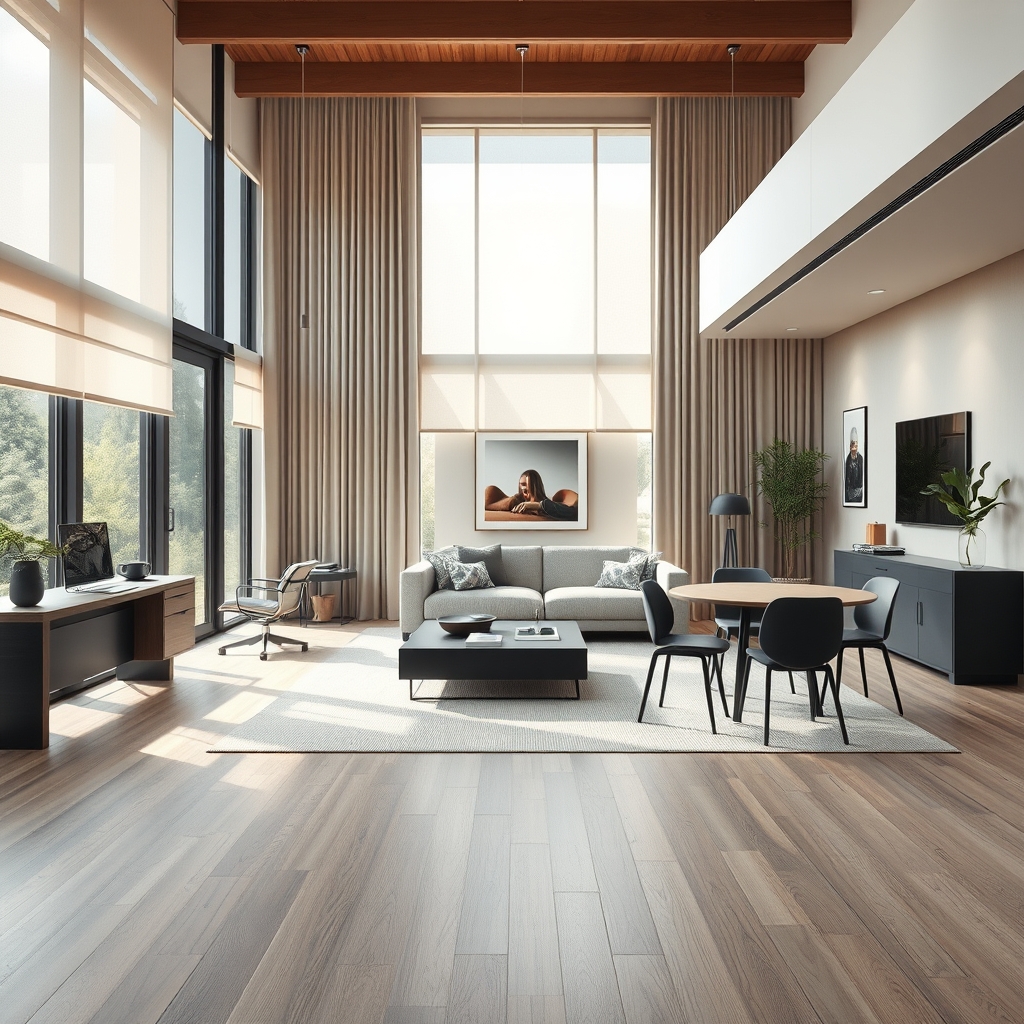
In an era where our lives are increasingly fluid—shifting between remote work, wellness priorities, and evolving family dynamics—our homes must do more than just shelter us. They must adapt, inspire, and harmonize with our ever-changing needs. The latest evolution in modern home design isn’t just about aesthetics or trends; it’s about creating spaces that are as dynamic as the lives we lead. This shift toward adaptive elegance blends timeless sophistication with flexible functionality, ensuring that every square foot serves a purpose without sacrificing style.
The Philosophy of Adaptive Elegance
Adaptive elegance is more than a design trend; it’s a mindset. It’s about crafting spaces that can seamlessly transition from a productive home office by day to a cozy entertainment hub by night. It’s about integrating smart technology that anticipates our needs while maintaining the warmth and character of a well-loved home. At its core, adaptive elegance is about balance—merging the sleek lines of contemporary design with the practicality of multi-functional spaces.
This philosophy is rooted in the idea that our homes should grow and evolve with us. Whether it’s a growing family, a new remote work setup, or a desire to age in place, adaptive design ensures that our living spaces remain relevant and supportive. It’s not about sacrificing beauty for utility or vice versa; it’s about finding harmony between the two.
Key Principles of Adaptive Elegance
To achieve adaptive elegance, designers and homeowners are embracing a few key principles:
- Modularity: Furniture and layouts that can be easily reconfigured are at the heart of adaptive design. Think modular sofas that can be rearranged for different occasions, or movable partitions that allow a room to serve multiple purposes.
- Smart Integration: Technology is no longer an afterthought but a foundational element. From voice-controlled lighting to automated climate systems, smart home tech enhances convenience without disrupting the aesthetic flow of a space.
- Sustainable Choices: Adaptive elegance also means designing with the future in mind. Sustainable materials, energy-efficient systems, and eco-conscious practices ensure that our homes are not only beautiful but also responsible.
- Timeless Aesthetics: While trends come and go, adaptive elegance prioritizes designs that stand the test of time. Neutral palettes, natural textures, and clean lines create a backdrop that can evolve with personal tastes and lifestyle changes.
Designing for Multi-Functional Living
One of the most exciting aspects of adaptive elegance is its focus on multi-functional spaces. Open-concept living has long been a staple of modern design, but the next wave takes it further by ensuring that each zone within a home can serve multiple roles. For example, a kitchen island might double as a workspace, or a guest bedroom could transform into a home gym with the right storage solutions.
In smaller homes or urban apartments, this approach is particularly valuable. Adaptive design allows homeowners to maximize every inch of space without feeling cramped. Sliding doors, foldable furniture, and hidden storage are just a few of the tools designers are using to create spaces that feel open and airy, even in compact layouts.
Case Study: The Adaptive Kitchen
The kitchen is often the heart of the home, and in adaptive design, it’s also one of the most versatile spaces. Modern kitchens are no longer just for cooking; they’re hubs for work, socializing, and even relaxation. Features like pull-out countertops, adjustable lighting, and integrated charging stations make it easy to transition from meal prep to a family gathering or a quick work session.
Sustainability plays a key role here, too. Energy-efficient appliances, water-saving fixtures, and durable, eco-friendly materials ensure that the kitchen remains both functional and responsible. The result is a space that’s as practical as it is beautiful—a true reflection of adaptive elegance.
The Role of Technology in Adaptive Design
Smart home technology is a game-changer in adaptive design. It allows homeowners to customize their environments with ease, whether it’s adjusting the lighting for a cozy movie night or setting the thermostat to the perfect temperature before bed. But the best smart home integrations are those that feel seamless—almost invisible—enhancing the living experience without drawing attention to themselves.
For example, motorized window treatments can be programmed to adjust based on the time of day, improving energy efficiency while adding a touch of luxury. Smart mirrors in bathrooms can display weather updates or news headlines, blending functionality with modern convenience. These technologies aren’t just about novelty; they’re about creating a home that works smarter, not harder.
Future-Proofing Your Home
Adaptive elegance isn’t just about meeting today’s needs; it’s about anticipating tomorrow’s. Future-proofing a home means designing with flexibility in mind. This could involve installing infrastructure for future smart home upgrades, choosing materials that are durable and low-maintenance, or creating spaces that can be easily reconfigured as needs change.
For instance, a home office might be designed with extra electrical outlets and soundproofing to accommodate future tech upgrades or a growing business. A living room could feature built-in storage that can be repurposed as a nursery or a hobby space. The goal is to create a home that can adapt to life’s inevitable changes without requiring a major overhaul.
Bringing Adaptive Elegance to Life
So, how can you incorporate adaptive elegance into your own home? Start by assessing your current lifestyle and identifying areas where flexibility could enhance your daily routine. Do you need a workspace that can double as a guest room? Would smart lighting make your evenings more relaxing? Are there sustainable materials you could incorporate to reduce your environmental footprint?
Work with a designer or contractor who understands the principles of adaptive design. They can help you reimagine your space in ways you might not have considered—like turning a hallway into a mini library with built-in shelves or adding a Murphy bed to a spare room to create a multi-functional space. The key is to think beyond the traditional uses of each room and consider how they can serve you in multiple ways.
Adaptive elegance is about more than just keeping up with the latest trends; it’s about creating a home that truly reflects who you are and how you live. It’s a celebration of flexibility, sustainability, and timeless beauty—all coming together to form a space that’s as dynamic and evolving as the people who call it home. As we continue to redefine what it means to live well, adaptive elegance offers a roadmap for designing spaces that are not only stylish but also deeply personal and endlessly adaptable. In a world that’s constantly changing, our homes should be our sanctuaries—places that inspire, support, and grow with us, no matter what the future holds.



