
The Next Generation of Home Design: Where Smart Technology Meets Timeless Elegance
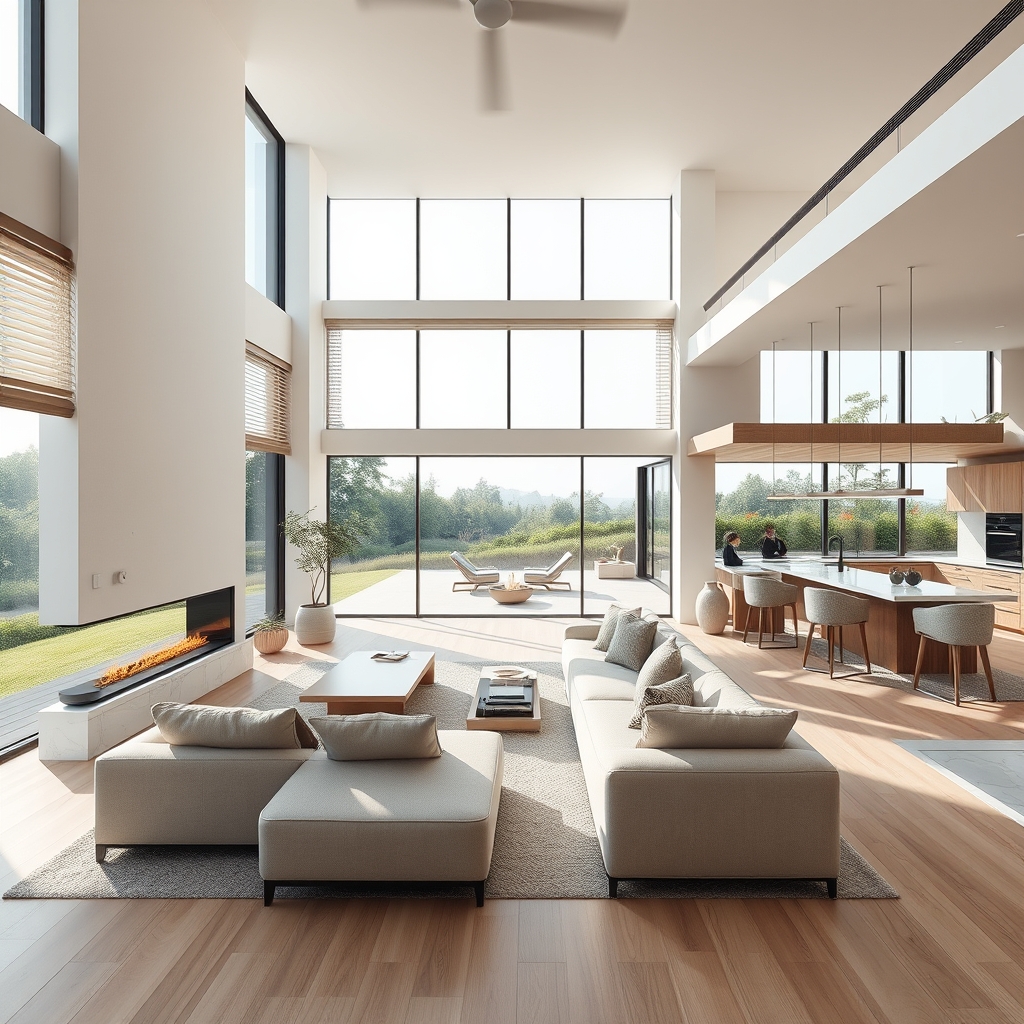
In an era where technology and design intersect more seamlessly than ever, modern homes are evolving into spaces that are not only visually stunning but also intuitively functional. The next generation of home design is all about creating environments that adapt to our lifestyles, anticipate our needs, and elevate our daily experiences. This shift is driven by a blend of smart technology, sustainable practices, and a deep appreciation for timeless elegance—a combination that is redefining what it means to live in a modern home.
The Rise of Smart Integration
Smart home technology has moved far beyond the novelty of voice-activated lights or programmable thermostats. Today, it’s about creating a cohesive ecosystem where every element of the home works in harmony. From AI-powered assistants that learn your routines to automated shading systems that adjust based on sunlight, technology is making homes more responsive and efficient. Imagine waking up to a home that has already adjusted the temperature, brewed your coffee, and opened the blinds to let in the morning light—all without you lifting a finger. This level of integration is no longer a futuristic fantasy but a tangible reality for those embracing modern home design.
One of the most exciting advancements in this space is the rise of adaptive smart systems. These systems use machine learning to understand your habits and preferences, making real-time adjustments to enhance comfort and energy efficiency. For example, smart HVAC systems can detect when you’re away from home and adjust the temperature accordingly, reducing energy waste without sacrificing comfort. Similarly, lighting systems can mimic natural daylight patterns, promoting better sleep and overall well-being. These innovations are not just about convenience; they’re about creating homes that actively contribute to a healthier, more sustainable lifestyle.
Sustainability as a Design Philosophy
Modern home design is increasingly defined by a commitment to sustainability, and this goes beyond simply installing solar panels or energy-efficient appliances. Today’s designers and homeowners are thinking holistically about how every element of a home—from the materials used in construction to the way spaces are utilized—can minimize environmental impact. Passive design principles, such as strategic window placement for natural ventilation and thermal mass materials that regulate indoor temperatures, are becoming standard in new builds and renovations alike.
Another key trend is the use of reclaimed and recycled materials. From reclaimed wood flooring to countertops made from recycled glass, these materials add character and history to a home while reducing the demand for new resources. Additionally, water conservation technologies, such as greywater recycling systems and low-flow fixtures, are being integrated into modern homes to further reduce their ecological footprint. The result is a home that is not only beautiful and functional but also kind to the planet.
The Aesthetic of Minimalism with a Twist
Minimalism has long been a cornerstone of modern home design, but today’s interpretation is far from stark or cold. The new minimalism is about intentional simplicity—curating spaces that are free from clutter but rich in texture, warmth, and personality. This approach prioritizes quality over quantity, with each piece of furniture or decor serving a purpose, whether functional or aesthetic. Think clean lines, neutral color palettes, and natural materials like wood, stone, and linen, all working together to create a serene and inviting atmosphere.
However, minimalism today is also about flexibility. With more people working from home and multigenerational households on the rise, spaces need to serve multiple functions without feeling cramped or disjointed. This is where modular furniture and multi-functional rooms come into play. A living room that doubles as a home office, or a guest bedroom that transforms into a yoga studio, are just a few examples of how modern homes are being designed to adapt to the ever-changing needs of their inhabitants.
Luxury Reimagined
Luxury in modern home design is no longer about opulence for the sake of opulence. Instead, it’s about thoughtful indulgence—creating spaces that feel exclusive, personalized, and deeply connected to the homeowner’s lifestyle. This could mean a state-of-the-art home theater for movie enthusiasts, a climate-controlled wine cellar for connoisseurs, or a spa-like bathroom with a soaking tub and heated floors for those who prioritize relaxation. The key is in the details: custom millwork, high-end finishes, and bespoke furniture that reflect the homeowner’s taste and values.
Outdoor living spaces are also playing a significant role in redefining luxury. Modern homeowners are extending their living areas beyond the four walls of their homes, creating seamless transitions between indoor and outdoor spaces. Covered patios with outdoor kitchens, fire pits, and cozy seating areas are becoming as important as the interior living rooms. These spaces are designed to be enjoyed year-round, with features like retractable roofs, outdoor heaters, and weather-resistant furniture ensuring comfort in any season.
Designing for Well-Being
Perhaps the most profound shift in modern home design is the growing emphasis on well-being. Homes are no longer just places to live; they are sanctuaries that support physical, mental, and emotional health. This is reflected in everything from the choice of materials to the layout of the spaces. For instance, biophilic design—which incorporates natural elements like plants, water features, and natural light—has been shown to reduce stress and improve cognitive function. Similarly, the use of non-toxic, hypoallergenic materials ensures that the air inside the home is clean and healthy.
Another aspect of well-being in home design is the focus on acoustics. Open-concept layouts, while popular, can sometimes lead to noise pollution, which can be stressful and disruptive. Modern designers are addressing this by incorporating sound-absorbing materials, such as acoustic panels or thick rugs, and strategically placing furniture to create natural sound barriers. The goal is to create a home that feels peaceful and harmonious, where every element contributes to a sense of calm and balance.
The future of home design is not just about keeping up with the latest trends; it’s about creating spaces that are deeply personal, sustainable, and technologically advanced. It’s about homes that don’t just look good but feel good—spaces that adapt to our needs, support our well-being, and reflect our values. As technology continues to evolve and our understanding of sustainability deepens, the possibilities for modern home design are limitless. The homes of tomorrow will be more than just structures; they will be living, breathing extensions of ourselves, designed to enhance every aspect of our lives.



