
Ghost in the Machine: How Smart Home Technology is Redefining Modern Living Spaces
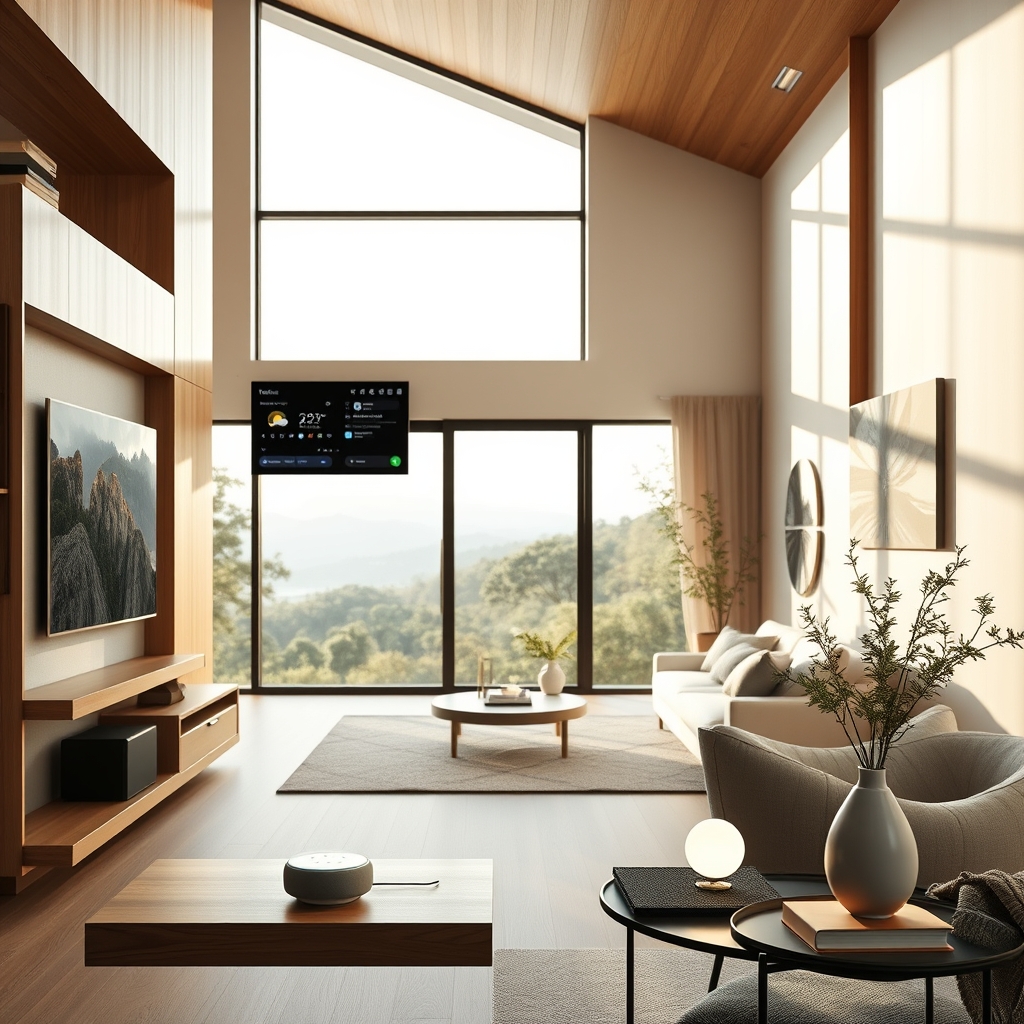
In the ever-evolving landscape of modern home design, technology has emerged as the silent yet transformative force reshaping how we interact with our living spaces. No longer confined to the realm of science fiction, smart home technology has seamlessly integrated into contemporary homes, offering a blend of convenience, efficiency, and luxury that was once unimaginable. From voice-activated assistants to automated climate control, these innovations are not just enhancing our daily routines—they are redefining the very essence of what it means to live in a modern home.
The Rise of the Invisible Home
The concept of a “ghost” in the machine takes on a new meaning when applied to smart home technology. Unlike traditional gadgets that demand physical interaction, today’s smart systems operate almost invisibly, anticipating needs and responding to commands with minimal input. Imagine walking into a room where the lights adjust to your preferred brightness, the temperature shifts to your ideal setting, and your favorite playlist begins to play—all without lifting a finger. This level of automation is no longer a futuristic fantasy but a tangible reality for homeowners who embrace smart home integration.
At the heart of this transformation is the Internet of Things (IoT), a network of interconnected devices that communicate with each other to create a cohesive, intelligent ecosystem. Smart thermostats like Nest or Ecobee learn your habits over time, optimizing energy usage while maintaining comfort. Lighting systems such as Philips Hue or Lutron allow for customizable ambiance, with the ability to adjust color temperatures and brightness via smartphone or voice control. Even appliances like refrigerators and washing machines are getting smarter, offering features like remote monitoring, energy efficiency tracking, and predictive maintenance alerts.
Designing for the Digital Age
While the functionality of smart home technology is undeniable, its integration into modern home design requires a thoughtful approach. The goal is to create spaces that feel both cutting-edge and timeless, where technology enhances rather than overwhelms the aesthetic. One of the key trends in this regard is the move toward minimalist design, where clutter is minimized, and devices are seamlessly embedded into the architecture. For example, smart speakers and displays can be recessed into walls or hidden within custom cabinetry, while wireless charging pads can be discreetly integrated into countertops or nightstands.
Open-concept living spaces are particularly well-suited to smart home technology, as they allow for a fluid, interconnected environment where devices can communicate across rooms. In such layouts, smart hubs like Amazon Echo or Google Nest serve as the central command center, enabling voice control of lighting, security, entertainment, and more. The result is a home that feels intuitive and responsive, adapting to the needs of its inhabitants in real time.
Sustainability Meets Smart Living
One of the most compelling aspects of smart home technology is its potential to promote sustainability. Energy-efficient homes are no longer just a trend but a necessity, and smart devices play a crucial role in reducing waste and lowering utility costs. Smart thermostats, for instance, can reduce energy consumption by up to 20% by learning your schedule and adjusting temperatures accordingly. Similarly, smart lighting systems can be programmed to turn off automatically when rooms are unoccupied, further cutting down on electricity usage.
Beyond energy savings, smart home technology can also contribute to water conservation. Smart irrigation systems, for example, use weather data and soil moisture sensors to optimize watering schedules, ensuring that landscapes receive the right amount of water without waste. Inside the home, smart faucets and showerheads can monitor water usage and provide real-time feedback, helping homeowners make more conscious decisions about their consumption.
The Future of Home Security
Security is another area where smart home technology is making a significant impact. Traditional alarm systems are being replaced by smart security solutions that offer greater control and peace of mind. Smart doorbells with built-in cameras, such as Ring or Nest Hello, allow homeowners to see and communicate with visitors from anywhere in the world. Smart locks, like those from August or Schlage, enable keyless entry and can be programmed to grant access to guests or service providers remotely.
For a more comprehensive approach, smart security systems like SimpliSafe or ADT Pulse integrate cameras, motion sensors, and alarms into a single, user-friendly platform. These systems can send instant alerts to your smartphone in the event of suspicious activity, allowing for quick response times. Some even offer professional monitoring services, ensuring that help is always just a call away.
Balancing Technology and Human Connection
As we embrace the conveniences of smart home technology, it’s important to strike a balance between automation and human connection. While these systems can streamline daily tasks and enhance comfort, they should not replace the personal touches that make a house feel like a home. Thoughtful design choices, such as incorporating natural materials, warm lighting, and cozy textures, can help create a space that feels both high-tech and inviting.
Moreover, smart home technology should be viewed as a tool to enhance, rather than dictate, our lives. The goal is to create a home that adapts to our needs, not one that requires us to adapt to it. By carefully selecting and integrating smart devices, homeowners can enjoy the best of both worlds—a space that is efficient, secure, and sustainable, yet still warm and welcoming. In this way, the ghost in the machine becomes less about the technology itself and more about the seamless, almost magical experience it creates, transforming the way we live, work, and connect within our homes.



