The Rise of Biophilic Design: Bringing Nature Indoors for Healthier, Happier Homes
In an era where urban living dominates and digital screens consume our attention, the longing for a deeper connection with nature has never been more pronounced. Biophilic design, a concept that integrates natural elements into modern home interiors, is rapidly gaining traction as homeowners seek to create spaces that nurture well-being, reduce stress, and enhance productivity. This trend goes beyond mere aesthetics—it’s about fostering a symbiotic relationship between humans and their environment, transforming houses into sanctuaries that promote physical and mental health.
The Science Behind Biophilic Design
Biophilic design is rooted in the idea that humans have an innate desire to connect with nature, a concept known as biophilia. Studies have shown that exposure to natural elements—such as sunlight, greenery, and water—can lower blood pressure, reduce cortisol levels, and improve cognitive function. For instance, a study published in the Journal of Environmental Psychology found that workers in offices with natural elements reported a 15% increase in well-being and creativity. These findings underscore why biophilic design is more than just a passing trend; it’s a scientifically backed approach to improving quality of life.
Incorporating biophilic principles into home design doesn’t require a complete overhaul. Even small changes, like introducing indoor plants, maximizing natural light, or using organic materials, can make a significant difference. The key is to create a seamless flow between the indoors and outdoors, blurring the boundaries that traditionally separate them.
Key Elements of Biophilic Home Design
Natural Light and Views
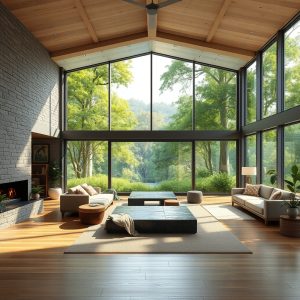
One of the most impactful ways to embrace biophilic design is by optimizing natural light. Large windows, skylights, and glass doors not only flood spaces with sunlight but also provide unobstructed views of the outdoors. This connection to the outside world can make interiors feel more expansive and alive. For homes with limited access to natural light, strategically placed mirrors and light-colored walls can help reflect and amplify available sunlight, creating a brighter, more inviting atmosphere.
Indoor Greenery and Living Walls
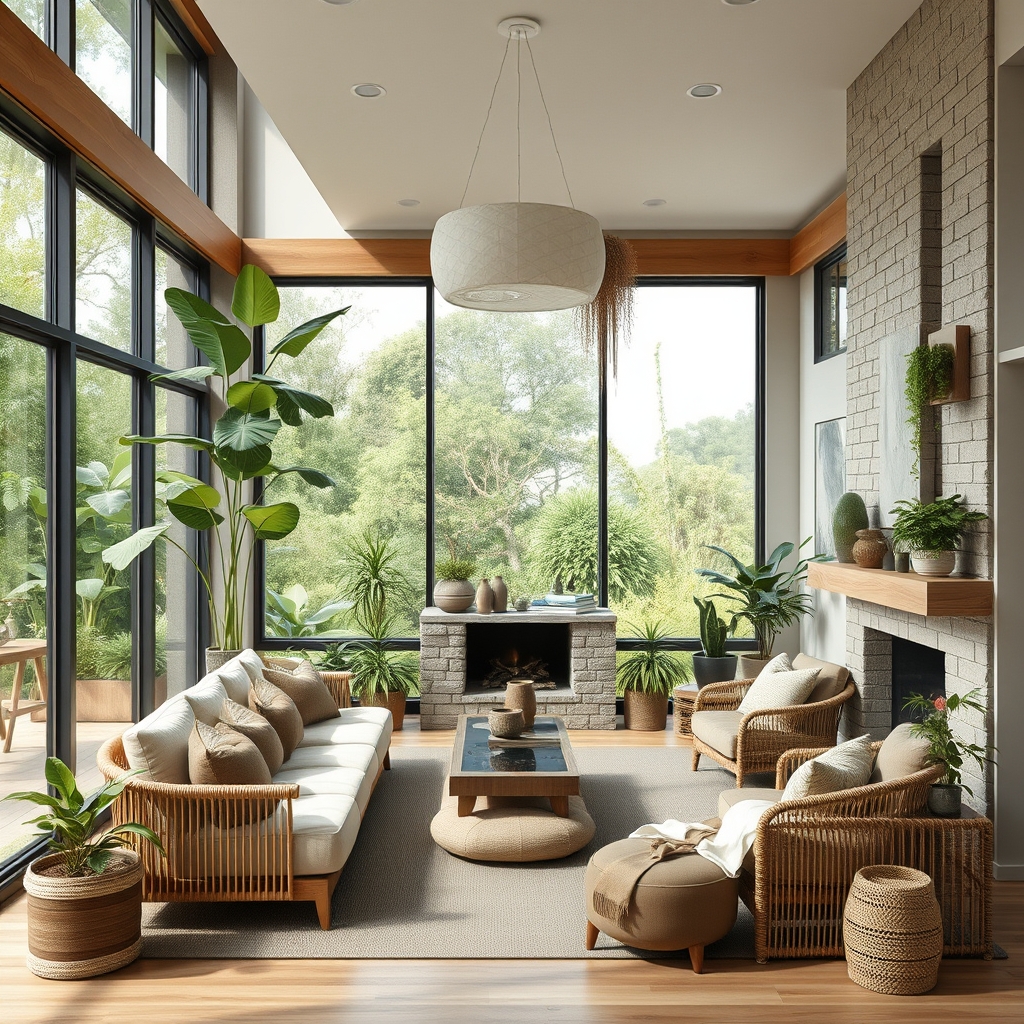
Plants are the cornerstone of biophilic design, and their benefits extend far beyond visual appeal. They purify the air, regulate humidity, and even boost mood. Incorporating a variety of indoor plants—from low-maintenance succulents to lush ferns—can transform a space into a vibrant, living ecosystem. For those looking to make a bold statement, living walls or vertical gardens are an excellent option. These installations not only serve as a striking focal point but also improve air quality and acoustics, making them ideal for urban homes where space is at a premium.
Organic Materials and Textures
Materials play a crucial role in biophilic design, as they evoke the tactile and visual qualities of nature. Wood, stone, bamboo, and cork are popular choices for flooring, furniture, and decor, as they bring warmth and texture to interiors. Even textiles like linen, wool, and jute can enhance the natural feel of a space. The goal is to create a sensory experience that engages touch, sight, and even smell, reinforcing the connection to the natural world.
Water Features and Natural Sounds
The sound of flowing water has a calming effect, making water features a valuable addition to biophilic interiors. Indoor fountains, tabletop waterfalls, or even small ponds can introduce the soothing sounds of nature into a home. For those who prefer subtlety, soundscapes of rain, ocean waves, or birdsong can be played through smart speakers to create a tranquil ambiance. These auditory elements complement the visual and tactile aspects of biophilic design, creating a multi-sensory experience.
Biophilic Design in Different Spaces
Living Rooms: A Sanctuary of Serenity
The living room is often the heart of the home, making it the perfect place to incorporate biophilic elements. Start with a neutral color palette inspired by nature—think soft greens, warm browns, and earthy tones. Layer in natural materials like a reclaimed wood coffee table, a jute rug, and linen curtains. Add a mix of indoor plants, such as a fiddle-leaf fig or a snake plant, to bring life to the space. For a touch of luxury, consider a small indoor water feature or a fireplace with a stone surround to evoke the coziness of a mountain retreat.
Kitchens: Where Function Meets Nature
Kitchens are no longer just utilitarian spaces; they’re becoming hubs of creativity and connection. Biophilic design can elevate a kitchen by incorporating open shelving made from reclaimed wood, stone countertops, and herb gardens on windowsills. Large windows or glass doors that open to a garden or patio can create a seamless transition between cooking and dining areas. Even small details, like a wooden cutting board or a backsplash made from natural stone, can reinforce the connection to nature while enhancing the kitchen’s functionality.
Bedrooms: A Retreat for Rest and Rejuvenation
The bedroom should be a sanctuary for rest, and biophilic design can help create an environment that promotes relaxation and sleep. Opt for organic bedding made from cotton or linen, and choose a mattress made from natural materials like latex or wool. Soft, diffused lighting—such as salt lamps or warm-toned LED bulbs—can mimic the glow of sunset, signaling to the body that it’s time to wind down. Incorporate plants like lavender or aloe vera, which not only purify the air but also release calming scents. For a truly immersive experience, consider a headboard made from reclaimed wood or a feature wall clad in natural stone.
Bathrooms: A Spa-Like Escape
Bathrooms are ideal spaces for biophilic design, as they offer an opportunity to create a spa-like retreat. Natural stone tiles, wooden vanities, and pebble flooring can evoke the feeling of a luxury resort. Large windows or skylights can flood the space with natural light, while indoor plants like ferns or orchids thrive in the humid environment. For a touch of indulgence, consider a freestanding bathtub with a view of the outdoors or a rainfall showerhead that mimics the sensation of standing under a waterfall. These elements transform a mundane routine into a rejuvenating experience.
As our lives become increasingly fast-paced and technology-driven, the need for spaces that ground us in nature has never been more critical. Biophilic design offers a way to reconnect with the natural world without sacrificing the comforts of modern living. By thoughtfully integrating elements like natural light, greenery, organic materials, and water features, homeowners can create environments that nurture well-being, inspire creativity, and foster a deeper sense of harmony. Whether through a single potted plant or a full-scale renovation, the principles of biophilic design remind us that our homes should be more than just places to live—they should be spaces that help us thrive.