The Invisible Thread: How Minimalist Lifestyle Design Transforms Spaces into Sanctuaries of Clarity
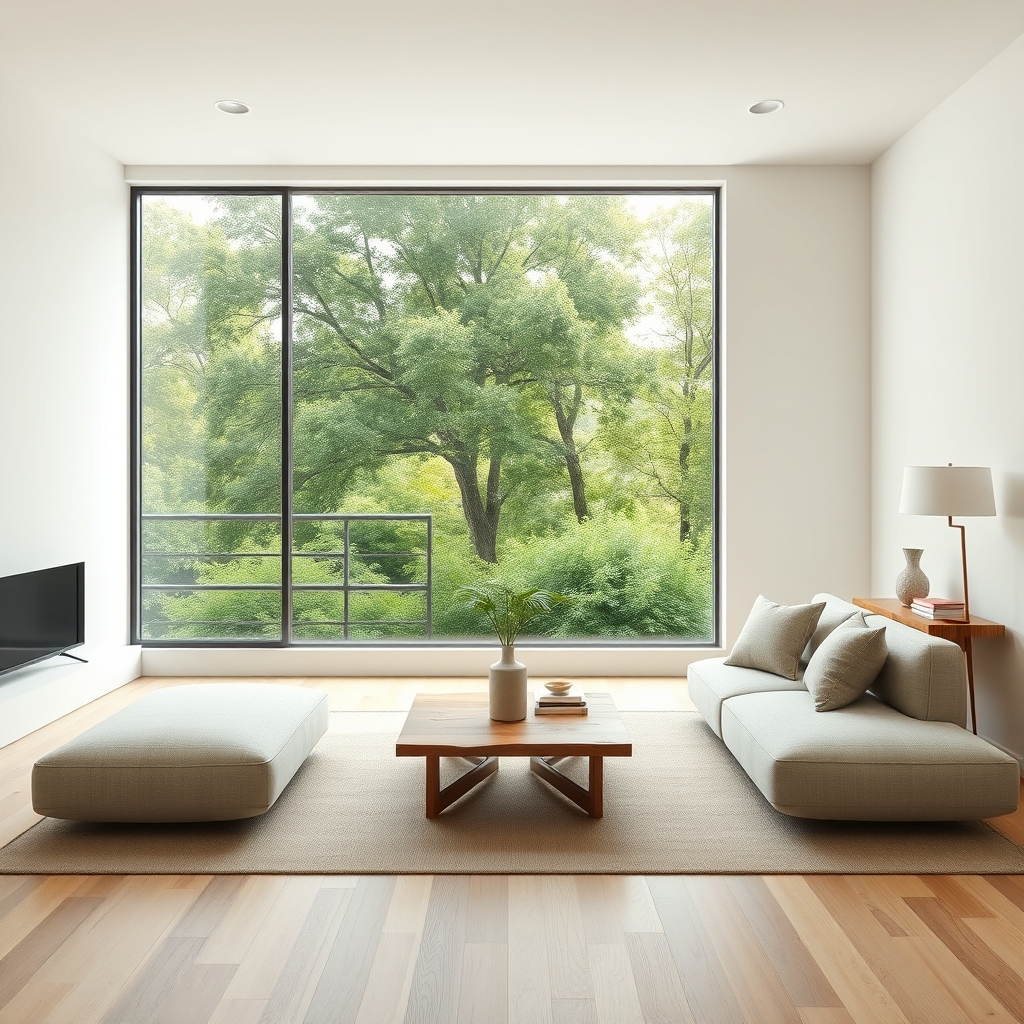
In a world brimming with noise, both visual and auditory, the allure of minimalist lifestyle design has never been more compelling. It is not merely a trend but a philosophy—a deliberate choice to strip away the superfluous and embrace the essence of living. Minimalism in interior design is often misunderstood as a stark, cold approach, devoid of personality. Yet, when executed with intention, it becomes a powerful tool for creating spaces that breathe, adapt, and resonate with the human spirit. It is the art of designing not just for the eyes, but for the soul, where every element serves a purpose, and every space tells a story of clarity and calm.
The Philosophy of Less: Beyond Aesthetic Simplicity
Minimalist lifestyle design is rooted in the belief that less can indeed be more. It is a rejection of the clutter that often dominates modern living, both physically and mentally. The philosophy extends beyond the mere absence of objects; it is about cultivating an environment where each item, each line, and each space is infused with meaning. This approach aligns closely with the principles of conscious material selection, where the focus shifts from quantity to quality. Materials are chosen not just for their durability or aesthetic appeal, but for their ability to evoke emotion, their sustainability, and their harmony with the natural world.
In practice, this might mean opting for a single, handcrafted wooden table over a mass-produced set of furniture, or selecting textiles that are not only soft to the touch but also ethically sourced. The goal is to create a space that feels authentic, where every object has a story and a purpose. This intentionality fosters a deeper connection between the inhabitant and their environment, transforming a house into a sanctuary of clarity and focus.
The Psychology of Space: How Minimalism Enhances Well-Being
The impact of minimalist design on mental well-being is profound. Studies in psychological space optimization have shown that cluttered environments can lead to increased stress, anxiety, and even decision fatigue. In contrast, spaces designed with minimalism in mind promote a sense of order, tranquility, and control. The absence of visual noise allows the mind to rest, fostering creativity and productivity. It is no coincidence that many of the world’s most innovative thinkers and creators—from writers to artists to tech visionaries—have embraced minimalist environments as a catalyst for their work.
Minimalist design also encourages mindfulness. When every object in a space is chosen with care, it invites the inhabitant to engage more deeply with their surroundings. A single, well-placed piece of art becomes a focal point for contemplation, while an uncluttered desk becomes a canvas for focus. This mindful engagement with space extends beyond the physical, influencing daily habits and routines. It encourages a slower, more deliberate way of living, where the emphasis is on experiences rather than possessions.
The Role of Adaptive Living in Minimalist Design
One of the most compelling aspects of minimalist lifestyle design is its adaptability. Unlike rigid, traditional interiors, minimalist spaces are often designed with flexible living solutions in mind. This means creating environments that can evolve with the needs of their inhabitants, whether through modular furniture, multi-functional spaces, or smart home technologies. For example, a living room might double as a workspace during the day and a cozy retreat in the evening, with furniture and lighting that can be easily reconfigured to suit different activities.
This adaptability is particularly valuable in today’s fast-paced world, where the lines between work, leisure, and rest are increasingly blurred. Minimalist design allows spaces to remain fluid, responding to the changing rhythms of daily life without sacrificing their core principles of simplicity and intentionality. It is a design approach that grows with you, rather than confining you to a static vision of what a home should be.
Biophilic Minimalism: Bridging Nature and Simplicity
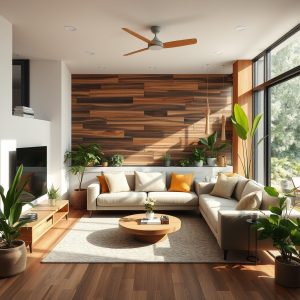
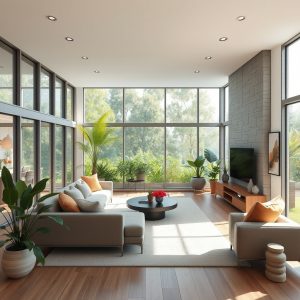
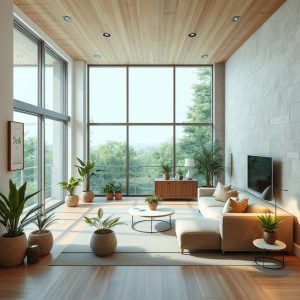
At its heart, minimalist design is about creating harmony—between objects, between spaces, and between the built environment and the natural world. This is where biophilic design integration comes into play. Biophilic minimalism seeks to incorporate elements of nature into minimalist spaces, whether through the use of natural materials like wood and stone, the inclusion of plants, or the maximization of natural light. The result is a space that feels both serene and alive, where the simplicity of minimalism is enriched by the organic beauty of the natural world.
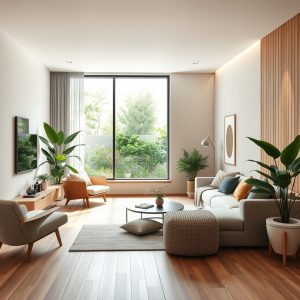
For instance, a minimalist bedroom might feature a large, unadorned window that frames a view of the outdoors, allowing natural light to flood the space and creating a seamless connection between the interior and exterior. A living room might incorporate a single, statement plant—a fiddle-leaf fig or a monstera—to add a touch of greenery without overwhelming the space. These elements not only enhance the aesthetic appeal of the room but also contribute to a sense of well-being, as studies have shown that exposure to nature, even in small doses, can reduce stress and improve mood.
The Future of Minimalist Living: Technology and Human-Centric Design
As technology continues to evolve, so too does the potential for minimalist design to become even more adaptive and responsive. Smart home experience design is playing an increasingly important role in minimalist interiors, allowing spaces to be both functional and uncluttered. Smart lighting, for example, can be programmed to adjust throughout the day, mimicking the natural progression of sunlight and enhancing the biophilic qualities of a space. Similarly, smart storage solutions can help maintain the minimalist aesthetic by keeping clutter out of sight, while still ensuring that essential items are easily accessible.
Yet, the integration of technology into minimalist design must be approached with care. The goal is not to fill the space with gadgets, but to use technology as a tool to enhance the simplicity and functionality of the environment. This human-centric approach ensures that technology serves the inhabitant, rather than the other way around. It is about creating spaces that are not only beautiful and minimalist but also intuitive and responsive to the needs of those who live in them.
Minimalist lifestyle design is more than just a design trend; it is a way of life. It challenges us to reconsider our relationship with the spaces we inhabit, to question what we truly need, and to create environments that reflect our values and aspirations. In a world that often feels overwhelming, minimalism offers a path to clarity, simplicity, and peace. It is a reminder that our homes are not just places to store our belongings, but sanctuaries that nourish our souls and inspire our lives. By embracing the principles of minimalism, we can transform our spaces into havens of intentionality, where every object and every corner serves a purpose, and where the essence of living is celebrated in its purest form.