
The Invisible Harmony: How Holistic Room Layouts Create Emotional Balance in Modern Living
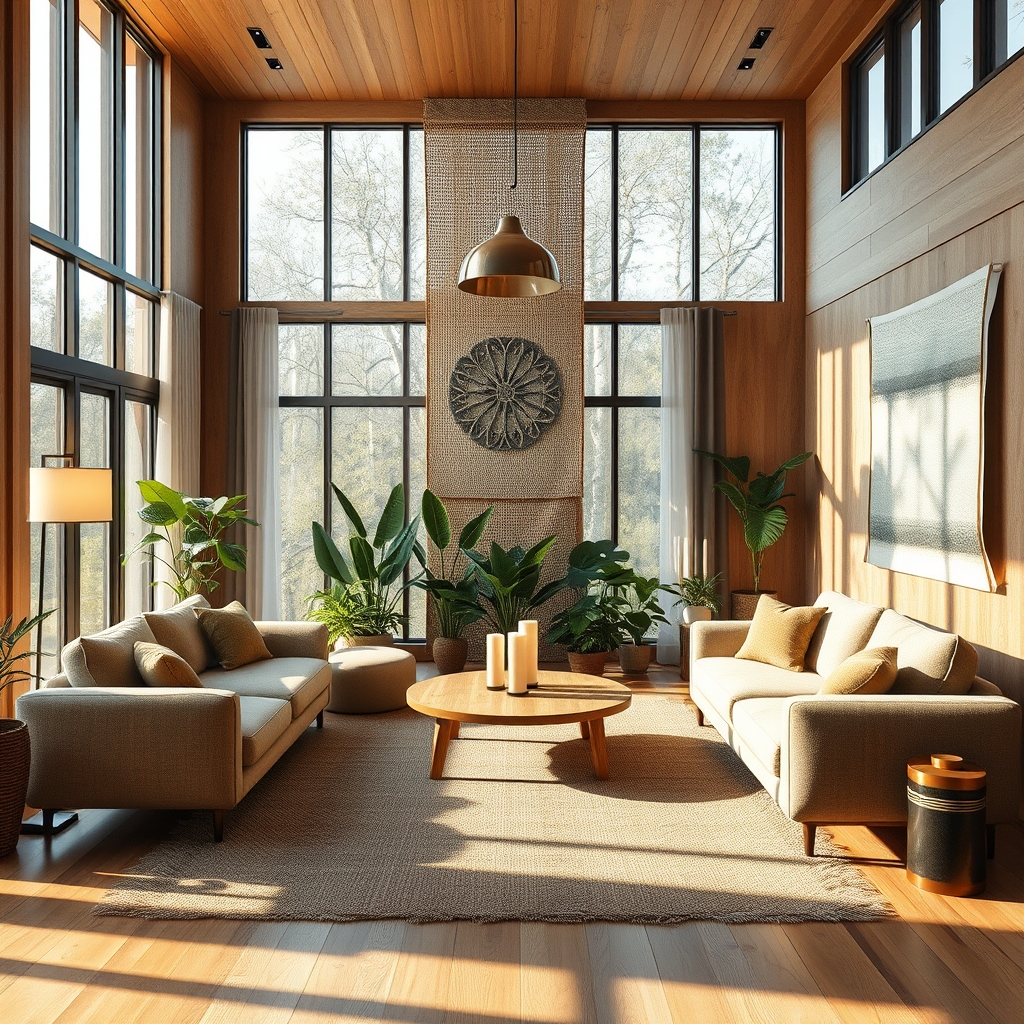
Imagine stepping into a room that instantly makes you feel at ease, where every element seems to align with your mood and needs without a single word being spoken. This is the power of holistic room layouts—a design philosophy that transcends mere aesthetics to create spaces that nurture emotional balance and well-being. Unlike traditional interior design, which often prioritizes visual appeal, holistic layouts consider the interplay of light, sound, texture, and spatial flow to craft environments that resonate with the human psyche.
The Science Behind Spatial Harmony
Holistic room layouts are rooted in the principles of environmental psychology, which explores how our surroundings influence our emotions, behaviors, and cognitive functions. Research has shown that the arrangement of furniture, the quality of natural light, and even the acoustics of a room can significantly impact our stress levels, productivity, and overall sense of comfort. For instance, a study published in the Journal of Environmental Psychology found that rooms with ample natural light and uncluttered layouts reduced cortisol levels, the hormone associated with stress, by up to 20%.
This scientific foundation is what sets holistic design apart. It’s not just about creating a visually pleasing space; it’s about engineering an environment that supports mental and emotional health. By leveraging the principles of proxemics—the study of how humans use and perceive space—designers can craft layouts that foster intimacy, encourage social interaction, or provide much-needed solitude, depending on the intended function of the room.
The Role of Light and Shadow
Light is one of the most powerful tools in holistic room design. It shapes our perception of space, influences our circadian rhythms, and even affects our mood. A well-designed holistic layout will incorporate dynamic lighting solutions that adapt to the time of day and the needs of the occupants. For example, warm, dim lighting in the evening can signal to the brain that it’s time to wind down, while bright, cool lighting in the morning can energize and prepare us for the day ahead.
But it’s not just about the intensity of light—it’s also about how it interacts with the room’s architecture. The strategic placement of windows, skylights, and reflective surfaces can create a play of light and shadow that adds depth and dimension to a space. This interplay can evoke a sense of tranquility or dynamism, depending on the desired emotional response. In a bedroom, soft, diffused light might create a calming atmosphere, while in a workspace, focused task lighting can enhance concentration and productivity.
Texture and Materiality: The Unsung Heroes of Emotional Design
While light and spatial arrangement are critical, the tactile qualities of a room—its textures and materials—play an equally important role in shaping our emotional experience. Holistic design embraces a conscious material selection process, where the choice of fabrics, woods, metals, and other surfaces is guided by their sensory and psychological impact. For example, natural materials like wood and stone can evoke a sense of warmth and grounding, while smooth, cool surfaces like glass and metal might create a more modern, minimalist feel.
Texture also contributes to the acoustic qualities of a space. Soft furnishings like rugs, curtains, and upholstered furniture can absorb sound, reducing echoes and creating a more intimate, cozy atmosphere. In contrast, hard surfaces like concrete or tile can amplify sound, which might be desirable in spaces designed for social interaction, such as a kitchen or dining area. By carefully balancing these elements, designers can create rooms that feel harmonious and inviting, rather than overwhelming or sterile.
The Flow of Energy: Spatial Arrangement and Feng Shui
Holistic room layouts often draw inspiration from ancient practices like Feng Shui, which emphasizes the flow of energy, or qi, within a space. According to Feng Shui principles, the arrangement of furniture and the placement of doors and windows can either facilitate or obstruct the natural movement of energy, which in turn affects the well-being of the occupants. For example, a bedroom with the bed positioned in the “commanding position”—facing the door but not directly in line with it—is believed to promote better sleep and a sense of security.
While Feng Shui is often associated with mystical beliefs, its principles align with modern design practices that prioritize functionality and comfort. The idea of creating a clear, unobstructed path through a room, for instance, is not just about aesthetics—it’s about ensuring that the space feels open and accessible, reducing feelings of claustrophobia or anxiety. Similarly, the concept of balancing the five elements—wood, fire, earth, metal, and water—can be translated into a thoughtful selection of materials and colors that create a sense of equilibrium.
Personalization: The Key to Emotional Resonance
No two people experience a space in the same way, which is why personalization is a cornerstone of holistic room design. A truly holistic layout is not a one-size-fits-all solution; it’s a bespoke environment tailored to the unique needs, preferences, and lifestyle of its occupants. This might involve incorporating elements that reflect the occupants’ cultural background, hobbies, or personal history, such as artwork, heirlooms, or travel souvenirs. These personal touches not only make a space feel more inviting but also create a deeper emotional connection between the individual and their environment.
Technology also plays a role in personalization. Smart home systems can adjust lighting, temperature, and even scent based on the occupants’ routines and preferences, creating a dynamic environment that evolves with their needs. For example, a smart thermostat might lower the temperature in the evening to promote better sleep, while a scent diffuser could release calming lavender essential oils to help unwind after a long day. These subtle adjustments can make a space feel more intuitive and responsive, enhancing the overall sense of well-being.
The Future of Holistic Design: Integrating Wellness and Technology
As our understanding of the relationship between space and well-being continues to evolve, so too does the field of holistic room design. Emerging technologies like digital twin modeling and AI-driven interior planning are making it easier than ever to create spaces that are not only beautiful but also deeply attuned to the needs of their occupants. Digital twin modeling, for instance, allows designers to create a virtual replica of a space, where they can test different layouts, lighting scenarios, and material combinations before implementing them in the real world. This level of precision ensures that the final design is optimized for both aesthetics and emotional impact.
At the same time, there is a growing emphasis on sustainability in holistic design. Conscious material selection—choosing eco-friendly, non-toxic, and ethically sourced materials—is becoming a standard practice, as designers recognize the importance of creating spaces that are not only good for the people who inhabit them but also for the planet. This shift reflects a broader cultural movement toward mindful living, where every aspect of our environment is designed with intention and care.
Holistic room layouts remind us that our homes are more than just physical structures—they are living, breathing entities that shape our emotions, behaviors, and overall quality of life. By embracing a design philosophy that prioritizes emotional balance, personalization, and sustainability, we can create spaces that not only look beautiful but also feel like a true extension of ourselves. In a world that often feels chaotic and disconnected, these thoughtfully designed environments offer a sanctuary of harmony, where every element works together to nurture the mind, body, and soul.



