
The Living Canvas: How Digital Twin Interior Modeling is Redefining Personalized Home Design
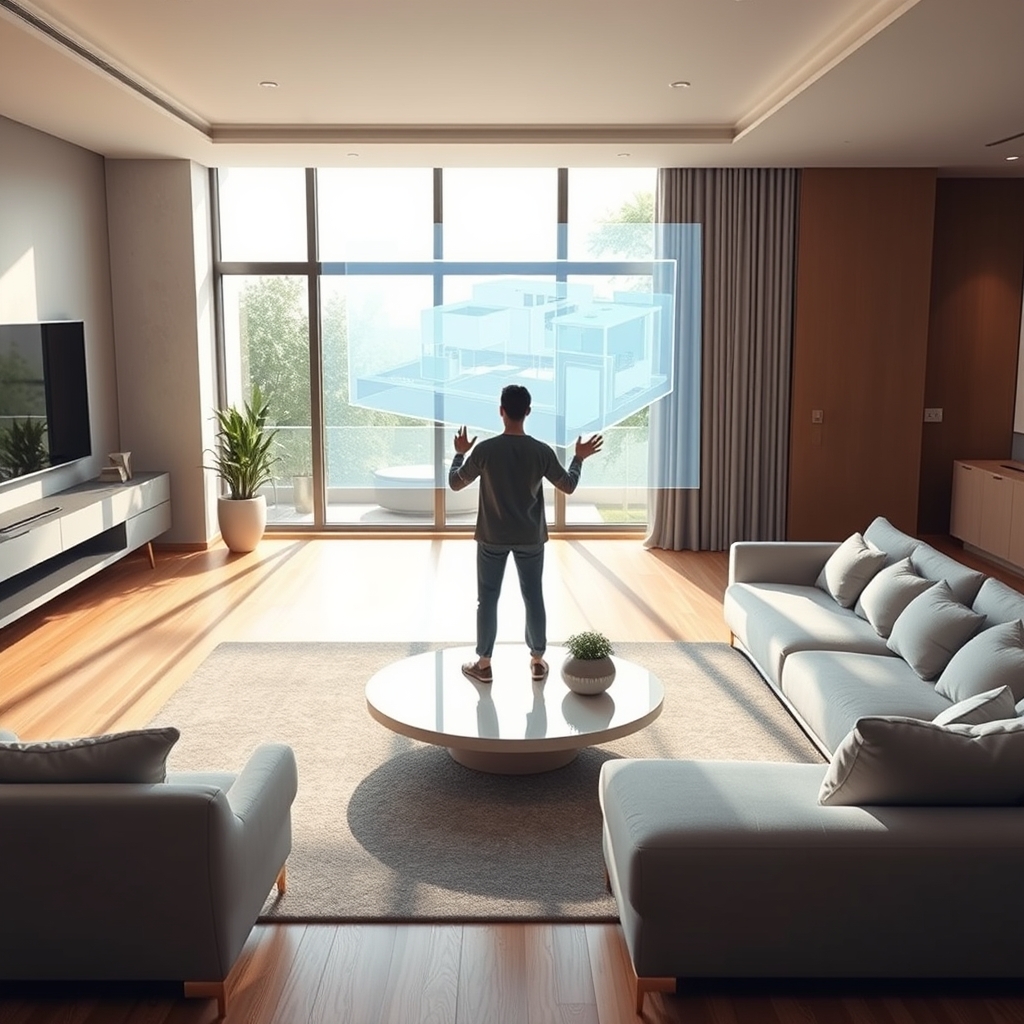
In an era where technology seamlessly blends with creativity, the concept of home design has evolved beyond static blueprints and mood boards. The rise of Digital Twin Interior Modeling is transforming how we envision, plan, and experience our living spaces. This cutting-edge approach doesn’t just simulate a room—it creates a dynamic, interactive replica of your home that adapts in real time to your needs, preferences, and even emotional states. Imagine stepping into a virtual version of your future living room, where every texture, light reflection, and spatial arrangement can be tested before a single piece of furniture is moved. This is the promise of digital twin technology: a living canvas where design becomes an immersive, iterative, and deeply personal experience.
The Science Behind the Simulation
At its core, digital twin modeling leverages advanced 3D rendering, real-time data integration, and artificial intelligence to create a hyper-accurate virtual counterpart of a physical space. Unlike traditional 3D modeling, which offers a static snapshot, digital twins are dynamic. They incorporate live data—such as natural light patterns, temperature fluctuations, and even occupant movement—to simulate how a space will function throughout the day, across seasons, and over years. For instance, a digital twin of a kitchen can predict how shadows will fall during morning coffee rituals or how ambient noise levels might change when hosting a dinner party. This level of precision allows designers and homeowners to optimize layouts, materials, and even smart home integrations before construction or renovation begins.
What sets digital twin modeling apart is its ability to learn and adapt. Machine learning algorithms analyze user interactions within the virtual space, identifying patterns in behavior and preferences. If a homeowner frequently adjusts the lighting in their digital twin to warmer tones in the evening, the system can suggest similar settings for the physical space. Over time, the digital twin becomes a co-creator, refining its recommendations based on real-world usage. This iterative process bridges the gap between imagination and reality, ensuring that the final design is not just aesthetically pleasing but also functionally intuitive.
Personalization at the Speed of Thought
One of the most revolutionary aspects of digital twin modeling is its capacity for personalized interior concepts. Traditional design processes often rely on broad trends or generic templates, which can leave homeowners feeling disconnected from their spaces. Digital twins, however, are built around the individual. By inputting personal data—such as lifestyle habits, sensory preferences, or even biometric feedback—the system generates designs that resonate on a deeply personal level. For example, someone who values tranquility might see their digital twin prioritize soft textures, muted color palettes, and sound-absorbing materials, while an extroverted homeowner could explore bold patterns, open layouts, and interactive features that encourage socializing.
This level of customization extends beyond aesthetics. Digital twins can simulate how a space will support specific activities, such as yoga, remote work, or family gatherings. A homeowner can test different configurations for a home office, ensuring optimal ergonomics and lighting for productivity, or experiment with flexible living solutions that adapt to changing needs. The result is a home that doesn’t just reflect who you are today but evolves with you over time. It’s a shift from designing for the average user to crafting spaces that are uniquely, unapologetically yours.
The Role of Human-Centric Architecture
Digital twin modeling is not just a tool for visualization—it’s a catalyst for human-centric architecture. By placing the occupant at the center of the design process, it challenges traditional hierarchies in home design, where aesthetics often overshadow functionality. With a digital twin, every decision is evaluated through the lens of human experience. How does the space make you feel when you wake up in the morning? Does the layout support your daily rituals? Are the materials chosen for their sustainability as well as their sensory appeal? These questions become the foundation of the design, rather than afterthoughts.
This approach also democratizes design. Homeowners who might feel intimidated by the prospect of working with an architect or interior designer can engage with their digital twin as a collaborative partner. They can experiment with bold ideas, make mistakes, and refine their vision without the pressure of real-world consequences. For designers, digital twins offer a way to communicate complex ideas more effectively, fostering a co-creative design process where the homeowner’s input is not just heard but actively integrated into the final outcome.
Sustainability and the Future of Adaptive Living
Beyond personalization, digital twin modeling holds immense potential for sustainable home styling. By simulating the long-term performance of a space, it allows designers to make informed decisions about energy efficiency, material longevity, and environmental impact. For example, a digital twin can predict how a home’s insulation will perform in extreme temperatures, or how a particular flooring material will wear over time. This data-driven approach reduces waste, as homeowners can avoid costly mistakes and choose solutions that align with their values—whether that’s reducing their carbon footprint or investing in ethically sourced materials.
Moreover, digital twins enable adaptive living spaces that respond to changing environmental and personal needs. A home designed with a digital twin can evolve alongside its occupants, whether that means reconfiguring a room for a growing family, integrating smart technologies for aging in place, or adapting to new work-from-home requirements. This flexibility ensures that homes remain functional and relevant for decades, reducing the need for frequent renovations and the associated environmental costs.
The Emotional Dimension of Digital Design
Perhaps the most profound impact of digital twin modeling is its ability to create emotionally resonant interiors. A home is more than a collection of rooms—it’s a sanctuary that shapes our moods, memories, and sense of self. Digital twins capture this emotional dimension by simulating not just how a space looks, but how it feels. Through virtual reality (VR) and augmented reality (AR) integrations, homeowners can step into their digital twin and experience the space as if it were already built. They can walk through a sunlit living room in the morning, feel the warmth of a fireplace in the evening, or listen to the acoustics of a home theater. These immersive experiences allow for a deeper connection to the design, ensuring that the final space evokes the intended emotions—whether that’s calm, joy, inspiration, or comfort.
As digital twin technology continues to advance, it will blur the lines between the physical and digital worlds, creating homes that are not just designed but lived before they are built. The future of interior design lies in these dynamic, interactive models that prioritize human experience, sustainability, and personalization. In this new era, our homes will no longer be static backdrops to our lives but active participants in our well-being, evolving alongside us in ways we are only beginning to imagine. The living canvas is here, and it’s waiting for you to bring it to life.



