
The Future of Adaptive Elegance: Designing Homes That Breathe With Your Lifestyle
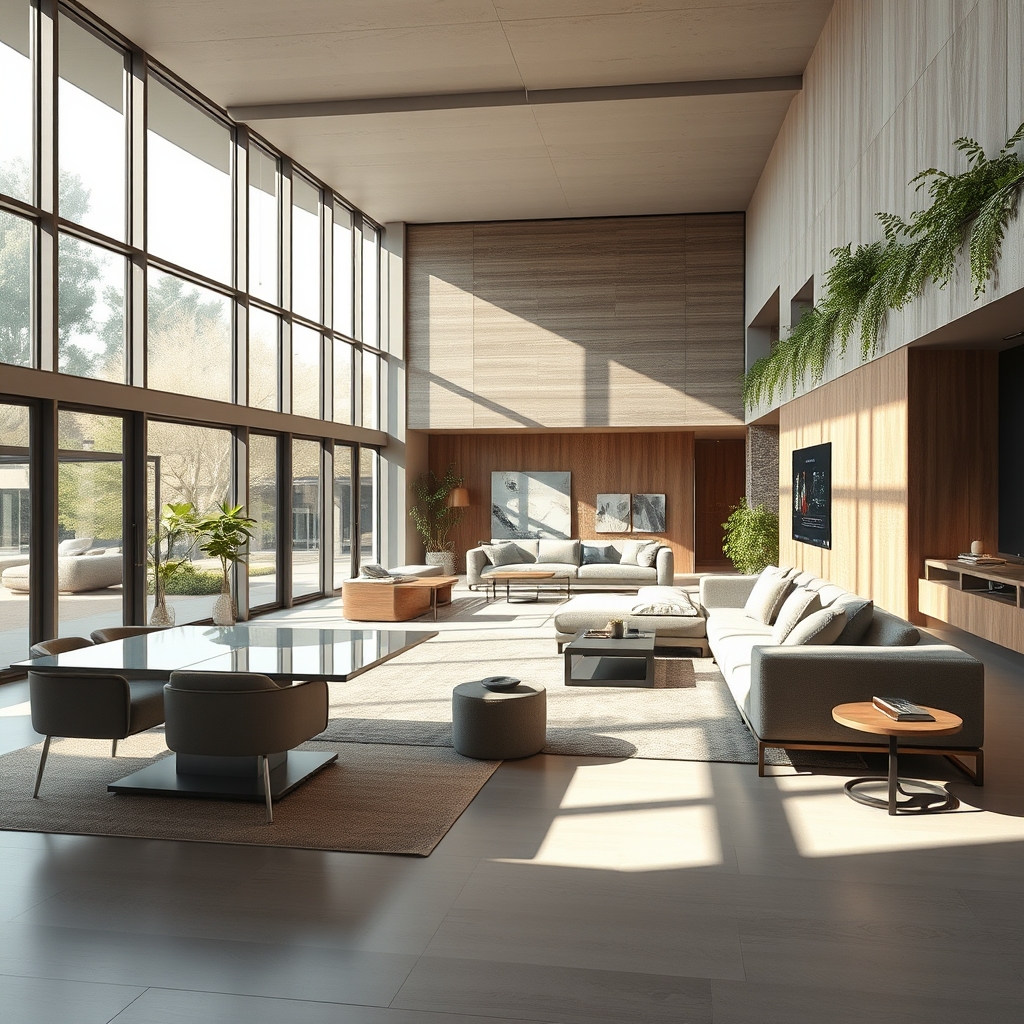
In an era where our lives are increasingly dynamic, the concept of home is evolving beyond static walls and fixed layouts. The modern dwelling is no longer just a shelter but a living, breathing entity that adapts to our needs, emotions, and rhythms. This shift toward adaptive elegance—a fusion of flexibility, sophistication, and human-centric design—is redefining how we interact with our spaces. It’s not just about aesthetics; it’s about creating environments that grow, shift, and respond in harmony with the people who inhabit them.
The Philosophy of Adaptive Elegance
At its core, adaptive elegance is about designing spaces that are as fluid as the lives they contain. Unlike traditional interior design, which often prioritizes permanence, this approach embraces change as an inherent part of the design process. It acknowledges that our needs—whether emotional, physical, or functional—are not static. A home should be able to transform from a quiet sanctuary for reflection into a vibrant hub for socializing, or from a productive workspace into a restful retreat, all with minimal effort.
This philosophy is deeply rooted in human-centric architecture, where the focus is on the well-being and experiences of the occupants. It’s about more than just ergonomic furniture or smart lighting; it’s about crafting spaces that anticipate and respond to the nuances of human behavior. For instance, a living room might feature modular seating that can be rearranged to accommodate a cozy movie night or an intimate gathering, or walls that subtly adjust their opacity to control natural light and privacy.
Technology as the Enabler
The rise of smart home experience design has been a game-changer in bringing adaptive elegance to life. Advances in technology allow homes to become intuitive extensions of their inhabitants. Imagine a kitchen that learns your cooking habits and adjusts its layout accordingly, or a bedroom that gradually shifts its lighting and temperature to align with your circadian rhythm. These aren’t futuristic fantasies but tangible realities made possible by the integration of interactive interior planning and digital twin interior modeling.
Digital twins, for example, create virtual replicas of physical spaces, allowing homeowners and designers to simulate and optimize layouts before making any physical changes. This technology enables a level of personalization and precision that was once unimaginable. It also empowers homeowners to experiment with different configurations, ensuring that their space evolves alongside their lifestyle without the need for costly renovations.
Biophilic Design: The Heartbeat of Adaptive Spaces
No discussion of adaptive elegance would be complete without addressing the role of biophilic design integration. Nature is the ultimate adaptive system, and incorporating its principles into our homes can create environments that feel alive and responsive. Biophilic design goes beyond adding a few plants or natural materials; it’s about fostering a deep connection between the indoors and the natural world, which in turn enhances our emotional and psychological well-being.
Consider a home where natural light is harnessed not just for illumination but to create dynamic patterns that shift with the time of day, mimicking the movement of the sun. Or a space where water features, organic textures, and natural scents work together to evoke a sense of calm and rejuvenation. These elements don’t just beautify a space; they make it feel more attuned to the rhythms of life. When combined with adaptive technologies, biophilic design can create homes that not only look stunning but also feel inherently right.
The Role of Conscious Material Selection
Adaptive elegance also hinges on the thoughtful selection of materials. Conscious material selection is about choosing resources that are not only sustainable but also capable of evolving with the space. For example, reclaimed wood can add warmth and character to a room while telling a story of its past life. Similarly, self-healing materials, such as certain types of concrete or coatings, can repair minor damages over time, ensuring that the home remains pristine with minimal maintenance.
Materials also play a crucial role in sensory interior environments. The tactile quality of a surface, the way it absorbs or reflects sound, and even its scent can profoundly impact how we experience a space. A home designed with adaptive elegance in mind will use materials that engage multiple senses, creating an immersive environment that feels both luxurious and deeply personal.
Flexible Living Solutions for Modern Lifestyles
The modern lifestyle is anything but predictable. Whether it’s remote work, multi-generational living, or the need for spaces that can host everything from yoga sessions to dinner parties, our homes must be as versatile as we are. Flexible living solutions are at the heart of adaptive elegance, offering ways to maximize the functionality of a space without sacrificing style.
One of the most exciting developments in this area is the rise of modular and multi-functional furniture. Pieces that can transform—such as a dining table that expands into a workspace or a sofa that converts into a guest bed—allow a single room to serve multiple purposes. Similarly, sliding walls and partitions can create temporary divisions within an open-plan space, offering privacy when needed without permanently altering the layout.
Another key aspect of flexible living is the integration of wellness-focused home design. Spaces that prioritize mental and physical health—such as meditation nooks, home gyms, or even dedicated areas for digital detox—are becoming essential components of modern homes. These features ensure that the home is not just a place to live but a sanctuary that supports every aspect of well-being.
Personalization Through Co-Creative Design
Adaptive elegance is inherently personal. It’s about creating spaces that reflect the unique identities, values, and lifestyles of their inhabitants. This level of personalization is best achieved through co-creative design processes, where homeowners work closely with designers to craft environments that truly resonate with them. Unlike traditional design, which often follows trends or rigid templates, co-creative design is a collaborative journey that prioritizes the homeowner’s vision and needs.
This approach can involve everything from custom-built furniture that fits the exact dimensions of a room to bespoke art installations that tell a personal story. It’s about moving beyond generic solutions and embracing the idea that every home should be as unique as the people who live in it. When combined with adaptive technologies and flexible design principles, co-creative processes result in spaces that are not only beautiful but also deeply meaningful.
As we look to the future, the homes we design will no longer be defined by their static beauty but by their ability to evolve, adapt, and resonate with the lives of those who inhabit them. Adaptive elegance is more than a trend; it’s a fundamental shift in how we think about space, one that places human experience at the center of every design decision. In a world that is constantly changing, our homes should be the one place that changes with us, offering comfort, inspiration, and a sense of belonging no matter what life brings.



