
Flexible Living Solutions: Designing Homes That Evolve With Your Life
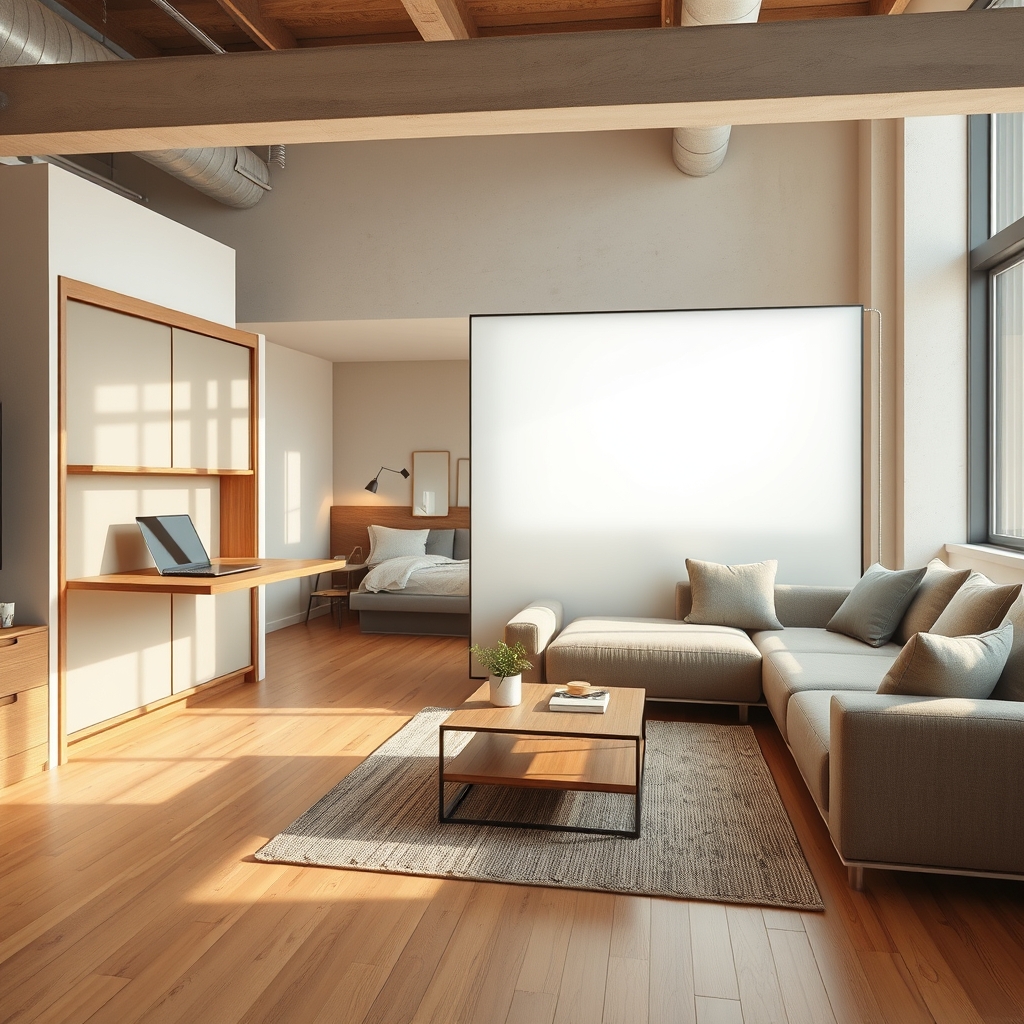
In an era where change is the only constant, our living spaces must do more than just stand still—they must adapt, transform, and grow alongside us. The concept of flexible living solutions is not just a trend; it’s a fundamental shift in how we approach home design. No longer are homes static containers for our lives; they are dynamic ecosystems that respond to our evolving needs, whether it’s a growing family, a new remote work setup, or the desire for a multi-generational household. The question is no longer *how* to design a space, but *how* to design a space that can change with you.
The Philosophy Behind Flexible Living
At its core, flexible living is about intentionality. It’s the recognition that life is fluid, and our environments should reflect that fluidity. This philosophy challenges traditional design norms that prioritize fixed layouts and rigid structures. Instead, it embraces modularity, multi-functionality, and adaptability as guiding principles. The goal is to create spaces that can serve multiple purposes without sacrificing aesthetics or comfort. For example, a living room that doubles as a home office, or a guest bedroom that transforms into a yoga studio, are not just clever tricks—they’re manifestations of a deeper understanding of modern living.
This approach is deeply rooted in human-centric architecture, where the focus is on the occupants’ needs rather than the architect’s vision alone. It’s about designing for the unknown, anticipating change, and building resilience into the very fabric of a home. Whether it’s through movable walls, convertible furniture, or smart storage solutions, flexible living ensures that a space can pivot as effortlessly as the people who inhabit it.
Key Elements of Adaptive Living Spaces
Modular Furniture and Movable Partitions
One of the most tangible expressions of flexible living is modular furniture. Pieces that can be reconfigured, expanded, or collapsed allow homeowners to tailor their spaces to their immediate needs. Imagine a sofa that can be split into two chairs, or a dining table that extends to accommodate a dinner party. Movable partitions, such as sliding doors or folding screens, offer another layer of adaptability, allowing rooms to be opened up or closed off as needed. These elements don’t just save space—they create opportunities for creativity and spontaneity in how a home is used.
Multi-Functional Zones
The rigid boundaries between rooms are dissolving. In their place, we’re seeing the rise of multi-functional zones that can serve different purposes at different times of the day. A kitchen island that doubles as a workspace, a hallway that transforms into a reading nook, or a bedroom that moonlight as a home gym—these are all examples of how spaces can be designed to do more. The key is to think of rooms not as static entities, but as stages that can be set and reset for various activities. This approach is particularly valuable in smaller homes or urban apartments, where square footage is at a premium.
Smart Technology Integration
Technology is a powerful enabler of flexible living. Smart home systems can automate lighting, temperature, and even furniture configurations to suit different activities or times of day. For instance, motorized walls or retractable beds can be controlled with a tap on a smartphone, making it easy to switch between a home office and a guest room. Sensors and AI-driven systems can also learn from occupants’ habits, adjusting the environment to optimize comfort and efficiency. The result is a home that doesn’t just respond to your needs—it anticipates them.
Sustainable and Conscious Material Choices
Flexibility and sustainability go hand in hand. Adaptive living spaces often rely on materials that are durable, recyclable, and low-impact. For example, reclaimed wood, bamboo, and cork are not only eco-friendly but also versatile enough to be used in a variety of configurations. Conscious material selection ensures that the home remains adaptable without contributing to waste or environmental degradation. It’s a holistic approach that considers the long-term impact of design choices, both on the planet and on the people who live there.
The Psychological and Emotional Benefits
Flexible living isn’t just about practicality—it’s also about well-being. A home that can adapt to your needs reduces stress and fosters a sense of control. When your environment aligns with your lifestyle, it creates a harmonious backdrop for daily life. For example, a parent working from home can seamlessly transition from a professional workspace to a family zone, minimizing the mental load of juggling multiple roles. Similarly, a retiree can reconfigure their home to accommodate hobbies or mobility needs without the upheaval of a major renovation.
This adaptability also nurtures a deeper connection to the space. When a home evolves with you, it becomes more than just a place to live—it becomes a reflection of your journey. It tells a story of growth, change, and resilience, reinforcing the idea that your environment is not just a passive setting but an active participant in your life.
Designing for the Future
The future of home design lies in its ability to anticipate and accommodate change. As our lives become more dynamic, our homes must follow suit. This means designing spaces that are not only beautiful and functional today but can also be easily reconfigured for tomorrow. Architects and designers are increasingly turning to digital twin interior modeling to simulate how a space can evolve over time, ensuring that flexibility is built into the blueprint from the very beginning.
For homeowners, this shift requires a new mindset—one that values adaptability over permanence. It’s about investing in pieces and systems that can grow with you, rather than locking yourself into a fixed layout. Whether it’s through modular furniture, smart technology, or multi-functional zones, the goal is to create a home that is as fluid and dynamic as the life it supports.
The beauty of flexible living lies in its ability to turn constraints into opportunities. A small apartment can feel spacious when every inch is thoughtfully designed to serve multiple purposes. A growing family can find harmony in a home that expands and contracts with their needs. And as we navigate an uncertain world, a home that can adapt becomes a sanctuary of stability—a place that bends without breaking, and evolves without losing its essence. In the end, the most resilient homes are not the ones built to last forever, but the ones built to change.



