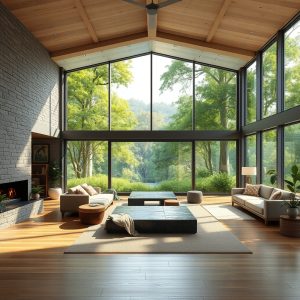
The Renaissance of Outdoor Living: Blending Modern Design with Nature for Year-Round Comfort
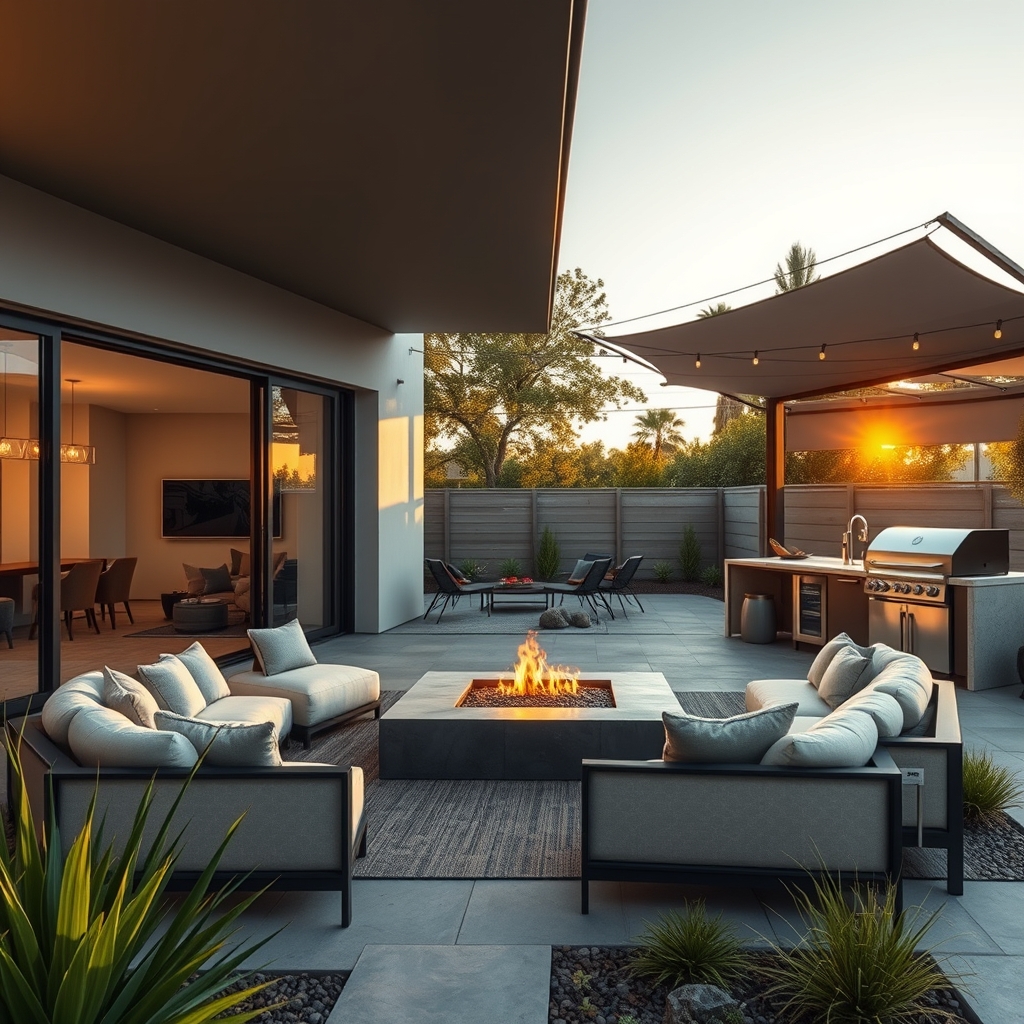
In an era where the boundaries between indoor and outdoor living continue to blur, homeowners are increasingly seeking ways to extend their living spaces beyond the traditional confines of four walls. The renaissance of outdoor living is not just a trend—it’s a lifestyle shift that prioritizes comfort, functionality, and aesthetic harmony with nature. Whether you have a sprawling backyard or a compact urban terrace, modern design principles and innovative technologies are making it possible to create outdoor spaces that are as inviting and usable as any interior room.
The Philosophy Behind Modern Outdoor Living
At its core, the modern outdoor living movement is about redefining how we interact with our surroundings. It’s no longer enough to have a patio with a few chairs and a grill; today’s outdoor spaces are designed to be extensions of the home, complete with the same level of thoughtfulness and sophistication. This philosophy is rooted in the idea of biophilic design, which emphasizes the human need to connect with nature. By integrating natural elements into outdoor spaces, homeowners can create environments that promote relaxation, creativity, and overall well-being.
This approach goes beyond mere aesthetics. It’s about crafting spaces that serve multiple purposes—whether it’s a cozy nook for morning coffee, an alfresco dining area for entertaining guests, or a serene retreat for unwinding after a long day. The key is to design with intention, ensuring that every element, from furniture to lighting, contributes to the space’s functionality and ambiance.
Design Trends Shaping Outdoor Spaces
As outdoor living evolves, so do the trends that define it. One of the most prominent shifts is the move toward seamless integration between indoor and outdoor spaces. Large sliding or folding glass doors, for example, create a fluid transition between the two, making it easy to extend gatherings from the kitchen to the patio. This trend is particularly popular in open-concept homes, where the lack of barriers enhances the sense of spaciousness and connectivity.
Sustainable and Low-Maintenance Materials
Sustainability is another driving force in modern outdoor design. Homeowners are increasingly opting for eco-friendly materials that not only reduce their environmental footprint but also require minimal upkeep. Composite decking, for instance, mimics the look of wood without the need for frequent staining or sealing. Similarly, permeable paving solutions allow rainwater to seep through, reducing runoff and promoting groundwater recharge. These choices reflect a broader commitment to responsible living, where beauty and sustainability go hand in hand.
Multi-Functional Furniture and Layouts
In smaller outdoor spaces, multi-functional furniture is a game-changer. Think modular seating that can be rearranged for different occasions, or built-in benches with hidden storage. These pieces maximize utility without sacrificing style, making them ideal for urban dwellers or those with limited square footage. Additionally, zoning—dividing the outdoor area into distinct functional zones—helps create a sense of order and purpose. A dining area, lounge space, and garden nook can coexist harmoniously, each serving a unique role in the overall design.
Lighting and Ambiance
Lighting plays a crucial role in transforming outdoor spaces from daytime retreats to enchanting evening havens. Modern outdoor lighting solutions are both functional and decorative, offering everything from subtle path lights to dramatic string lights or LED fixtures embedded in steps and walls. Smart lighting systems, which can be controlled via smartphone or voice commands, add an extra layer of convenience and customization. With the right lighting, an outdoor space can feel warm and inviting, no matter the time of day.
Technology Meets Nature: Smart Outdoor Living
The integration of smart home technology into outdoor spaces is one of the most exciting developments in modern design. From weather-resistant speakers and outdoor televisions to automated irrigation systems and solar-powered lighting, technology is making it easier than ever to enjoy the outdoors without sacrificing comfort or convenience. Imagine adjusting your outdoor heater, lighting, or even your pergola’s retractable roof with a simple voice command or tap on your phone. These innovations not only enhance the usability of outdoor spaces but also extend their functionality into the colder months, making them a year-round asset.
For those who love to entertain, outdoor kitchens equipped with smart appliances—such as Wi-Fi-enabled grills, refrigerators, and even pizza ovens—are becoming increasingly popular. These setups allow hosts to prepare meals without constantly running back inside, creating a more seamless and enjoyable experience for both the cook and the guests. Meanwhile, automated shading systems can adjust based on the sun’s position, ensuring optimal comfort throughout the day.
Creating a Year-Round Outdoor Oasis
One of the biggest challenges of outdoor living is adapting to seasonal changes. However, with the right design strategies, it’s possible to enjoy your outdoor space year-round. In colder climates, features like fire pits, outdoor fireplaces, and heated floors can extend the usability of a patio or deck well into the fall and winter. Enclosed structures, such as screened porches or glass-walled sunrooms, offer protection from the elements while still allowing for an immersive outdoor experience.
For warmer regions, cooling solutions like misting systems, ceiling fans, and shade sails can make outdoor spaces more comfortable during the peak of summer. Landscaping also plays a key role in year-round enjoyment. Evergreen plants, for example, provide greenery and structure even in the winter months, while deciduous trees offer shade in the summer and allow sunlight to filter through in the winter. By carefully selecting plants and materials, homeowners can create a dynamic outdoor space that evolves with the seasons.
Landscape Design: More Than Just Aesthetics
Landscape design is an integral part of outdoor living, and modern approaches go beyond mere aesthetics. Today’s landscapes are designed with purpose in mind—whether it’s creating privacy, reducing noise, or even growing fresh produce. Edible gardens, for example, are a growing trend among homeowners who want to combine beauty with functionality. A well-designed herb or vegetable garden can provide fresh ingredients for meals while adding visual interest to the space.
Water features, such as fountains or ponds, are another popular addition to modern outdoor spaces. Beyond their soothing aesthetic, they can help mask unwanted noise from nearby streets or neighbors, creating a more tranquil environment. Additionally, native plants—those that are naturally suited to the local climate—require less water and maintenance, making them an eco-friendly choice for sustainable landscaping.
As the lines between indoor and outdoor living continue to dissolve, the possibilities for creating a personalized outdoor sanctuary are endless. Whether you’re drawn to the sleek lines of contemporary design, the warmth of rustic elements, or the cutting-edge convenience of smart technology, the key is to design a space that reflects your lifestyle and values. By thoughtfully blending modern design principles with the natural world, you can craft an outdoor living area that is not only beautiful but also deeply functional—a true extension of your home where memories are made and moments are savored. The beauty of outdoor living lies in its ability to adapt, evolve, and inspire, offering a sanctuary that feels both timeless and distinctly yours.