
The Modern Alchemy: Transforming Your Home with Hybrid Design Principles for a Future-Ready Lifestyle
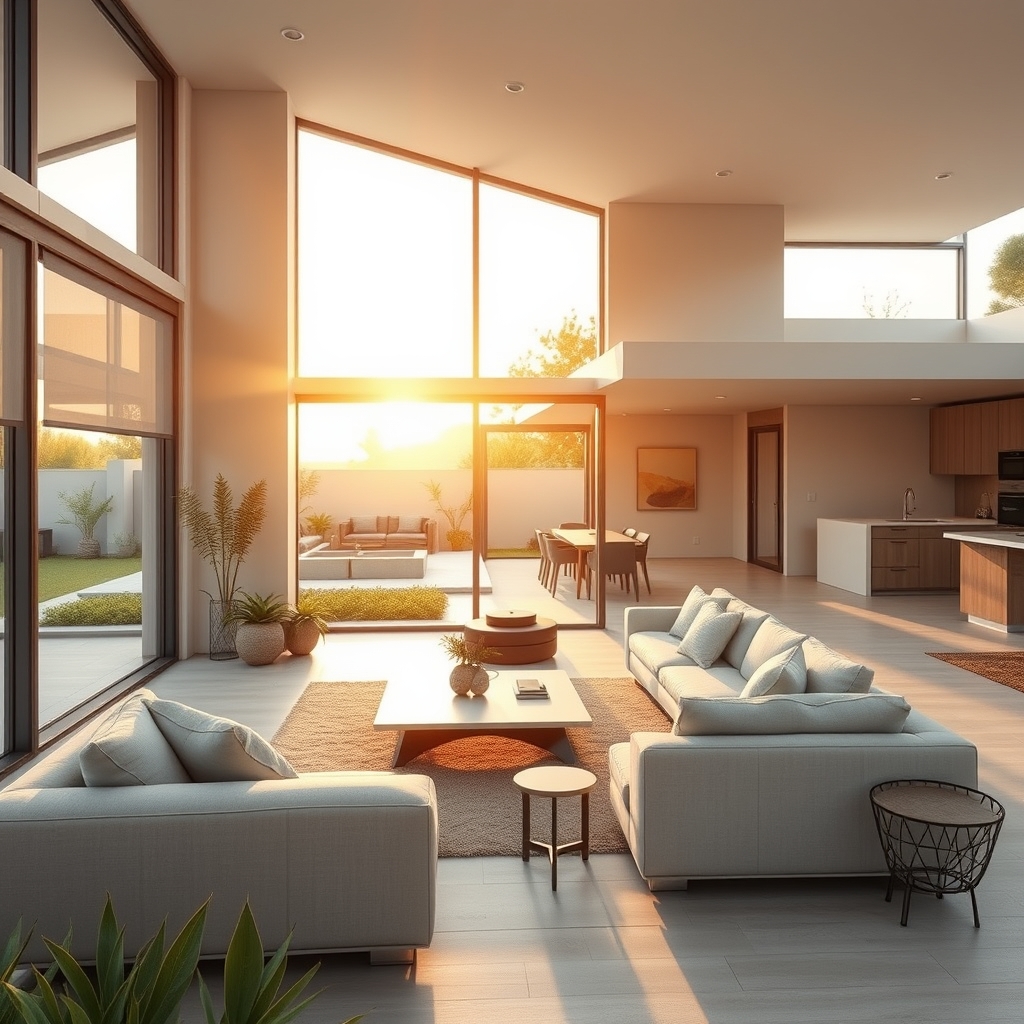
The modern home is no longer just a shelter; it is a dynamic ecosystem that adapts to our evolving lifestyles, technological advancements, and environmental responsibilities. The concept of hybrid design has emerged as a powerful approach to creating spaces that are not only aesthetically pleasing but also functional, sustainable, and future-proof. This philosophy blends the best of minimalist aesthetics, smart technology, and eco-conscious practices to craft homes that are as intelligent as they are beautiful. By embracing hybrid design, homeowners can transform their living spaces into sanctuaries that cater to their needs today while anticipating the demands of tomorrow.
The Core Principles of Hybrid Design
Hybrid design is rooted in the idea of synergy—where different elements of modern living converge to create something greater than the sum of their parts. At its heart, this approach is built on three foundational pillars: minimalism, technology, and sustainability. Minimalism ensures that spaces remain uncluttered and purposeful, allowing for a sense of calm and clarity. Technology, particularly smart home innovations, enhances convenience, security, and efficiency, making daily routines seamless. Sustainability, meanwhile, ensures that the home operates in harmony with the environment, reducing its carbon footprint while maximizing energy efficiency.
These principles are not mutually exclusive; instead, they intertwine to create a cohesive design language. For instance, a minimalist kitchen can be outfitted with smart appliances that reduce energy consumption, while large windows can flood the space with natural light, reducing the need for artificial lighting. The result is a home that feels both timeless and cutting-edge, where every element serves a purpose beyond mere aesthetics.
Minimalism: The Art of Less, But Better
Minimalism in modern home design is about more than just decluttering—it’s about curating a space that reflects intentionality and mindfulness. The philosophy of “less, but better” encourages homeowners to focus on quality over quantity, selecting furnishings and decor that are both functional and visually striking. This approach not only creates a sense of tranquility but also makes maintenance easier, as there are fewer items to clean, organize, and replace over time.
In a hybrid-designed home, minimalism extends beyond furniture and decor. It influences architectural elements such as open floor plans, which create a sense of spaciousness even in smaller homes. Built-in storage solutions, such as under-stair drawers or wall-mounted cabinets, help keep clutter at bay while maintaining a sleek, unobtrusive look. The key is to design spaces that feel open and airy, where every item has a designated place and purpose.
Smart Technology: The Invisible Backbone of Modern Living
Smart home technology has revolutionized the way we interact with our living spaces. From voice-activated assistants to automated lighting and climate control, these innovations make homes more responsive, efficient, and secure. In a hybrid-designed home, smart technology is seamlessly integrated into the architecture, often in ways that are invisible to the eye. For example, motorized shades can adjust automatically based on the time of day, optimizing natural light and energy use, while smart thermostats learn the household’s routines to maintain the perfect temperature with minimal energy waste.
The beauty of smart technology lies in its ability to enhance convenience without compromising aesthetics. Wireless charging stations embedded in countertops, hidden speakers that blend into the walls, and app-controlled appliances all contribute to a home that feels futuristic yet inviting. These technologies are not just gadgets; they are tools that empower homeowners to live more efficiently and sustainably.
Sustainability: Building for the Future
Sustainability is no longer a trend—it’s a necessity. Hybrid design embraces eco-conscious practices by incorporating materials and systems that reduce environmental impact. This can include everything from solar panels and energy-efficient windows to reclaimed wood and low-VOC paints. The goal is to create a home that is not only beautiful but also responsible, minimizing its ecological footprint while maximizing comfort and efficiency.
One of the most exciting developments in sustainable home design is the rise of passive house principles. These homes are designed to maintain a comfortable indoor temperature year-round with minimal reliance on heating or cooling systems. Features such as triple-glazed windows, superior insulation, and heat-recovery ventilation systems ensure that the home remains energy-efficient without sacrificing comfort. When combined with smart technology, these homes can achieve near-zero energy consumption, making them a model for the future of residential design.
Outdoor Living: Extending the Hybrid Experience Beyond Four Walls
The hybrid design philosophy doesn’t stop at the front door. Modern homeowners are increasingly blurring the lines between indoor and outdoor living, creating seamless transitions between the two. Outdoor spaces are being transformed into extensions of the home, complete with comfortable seating, dining areas, and even outdoor kitchens. These spaces are designed to be just as functional and stylish as their indoor counterparts, often incorporating sustainable materials like composite decking or native plants that require minimal watering.
Smart technology also plays a role in outdoor living. Automated irrigation systems, weather-resistant speakers, and app-controlled lighting allow homeowners to enjoy their outdoor spaces with the same level of convenience as their indoor environments. By integrating these elements, the hybrid design creates a cohesive living experience that embraces nature without sacrificing modern comforts.
Crafting a Home That Evolves With You
The true power of hybrid design lies in its adaptability. A well-designed hybrid home is not static; it evolves alongside the needs and preferences of its inhabitants. Modular furniture, for example, can be reconfigured to suit different purposes, whether it’s a home office that transforms into a guest room or a living area that expands to accommodate a growing family. Smart home systems can be updated with new software, ensuring that the home remains at the cutting edge of technology without requiring major renovations.
This adaptability also extends to sustainability. As new eco-friendly materials and technologies emerge, a hybrid-designed home can incorporate these innovations with minimal disruption. Solar panels can be upgraded, insulation can be improved, and smart systems can be fine-tuned to further reduce energy consumption. The result is a home that is not only beautiful and functional today but also prepared for the challenges and opportunities of the future.
Creating a home that embodies hybrid design principles is about more than following trends—it’s about crafting a space that reflects your values, enhances your lifestyle, and stands the test of time. By blending minimalism, smart technology, and sustainability, you can transform your home into a sanctuary that is as intelligent as it is inspiring. Whether you’re renovating an existing space or building from scratch, the hybrid approach offers a roadmap to a home that is not only future-ready but also a joy to live in every day. As we continue to redefine what it means to live well, hybrid design stands as a testament to the power of thoughtful, intentional living.



