
The Invisible Orchestration: Crafting Homes That Dance with Human Experience
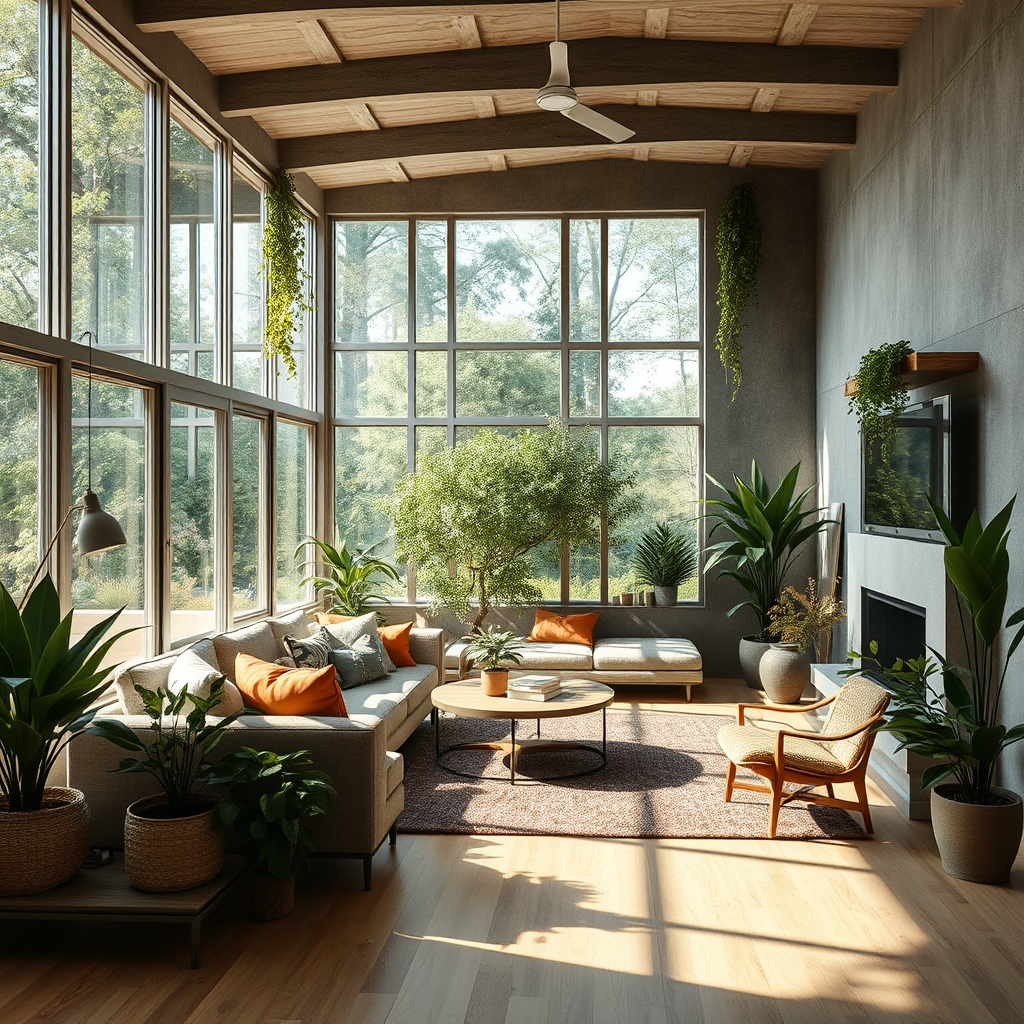
In the realm of architecture and interior design, there exists a subtle yet profound art of crafting spaces that harmonize with human experience. This art is not about grand gestures or flashy designs, but rather about the invisible orchestration of elements that create a symphony of comfort, functionality, and emotional resonance. It’s about creating homes that not only meet our physical needs but also speak to our souls, transforming everyday spaces into sanctuaries of well-being and personal expression.
The Power of Immersive Spatial Design
Immersive spatial design is a powerful tool in this orchestration. It’s about creating environments that engage all the senses, from the visual to the tactile, the auditory to the olfactory. A well-designed space can evoke a sense of calm, inspire creativity, or energize the mind. It can transport us to another time and place, or anchor us in the present moment. This is the essence of immersive spatial design – it’s not about creating a space, but about creating an experience.
Sensory Interior Environments: The Language of Touch
One of the most compelling aspects of immersive spatial design is the use of sensory interior environments. These are spaces that engage the senses, creating a multi-layered experience that resonates on a deep level. The language of touch, for instance, is a powerful tool in this regard. Textures that are soft and inviting can create a sense of comfort and security, while textures that are firm and structured can evoke a sense of stability and confidence. The right combination of textures can transform a space, making it feel more alive and engaging.
Human-Centric Architecture: The Dance of Emotion and Function
Human-centric architecture is another key element in this orchestration. It’s about creating spaces that are not just functional, but also emotionally resonant. These are spaces that understand and respond to the needs and desires of the people who live in them. They are spaces that evolve with the inhabitants, adapting to their changing needs and preferences over time. This is the dance of emotion and function, a delicate balance that requires a deep understanding of the human experience.
Adaptive Living Spaces: The Breath of Design
Adaptive living spaces are a testament to the power of human-centric architecture. These are spaces that can change and adapt to meet the evolving needs of the people who live in them. They are spaces that can be transformed from a cozy reading nook in the evening to a lively gathering space during the day. They are spaces that grow and change with the inhabitants, creating a sense of continuity and belonging. This is the breath of design, a living, breathing space that responds to the rhythm of life.
Biophilic Design Integration: The Whisper of Nature
Biophilic design integration is another powerful tool in this orchestration. It’s about bringing the outdoors in, creating a connection between the built environment and the natural world. This can be as simple as a single potted plant or a large window that allows natural light to flood the space. It can be a more complex integration, such as a living wall or a water feature that brings the soothing sounds of nature indoors. The whisper of nature, a gentle reminder of our connection to the natural world, can have a profound impact on our well-being and sense of place.
Personalized Interior Concepts: The Story of Who We Are
Personalized interior concepts are a powerful way to bring the human-centric approach to life. These are spaces that reflect the unique story of the people who live in them. They are spaces that are not just functional, but also emotionally resonant, telling a story about who we are and what we value. They are spaces that evolve with us, changing and adapting to reflect our changing needs and preferences over time. This is the story of who we are, a living, breathing narrative that is as unique as the individuals who inhabit it.
In the end, the art of crafting homes that dance with human experience is not about grand gestures or flashy designs. It’s about the invisible orchestration of elements that create a symphony of comfort, functionality, and emotional resonance. It’s about creating spaces that not only meet our physical needs but also speak to our souls, transforming everyday spaces into sanctuaries of well-being and personal expression. It’s about creating homes that are not just places to live, but experiences to cherish.



