
The Invisible Artistry: Crafting Homes That Harmonize Mind, Body, and Space
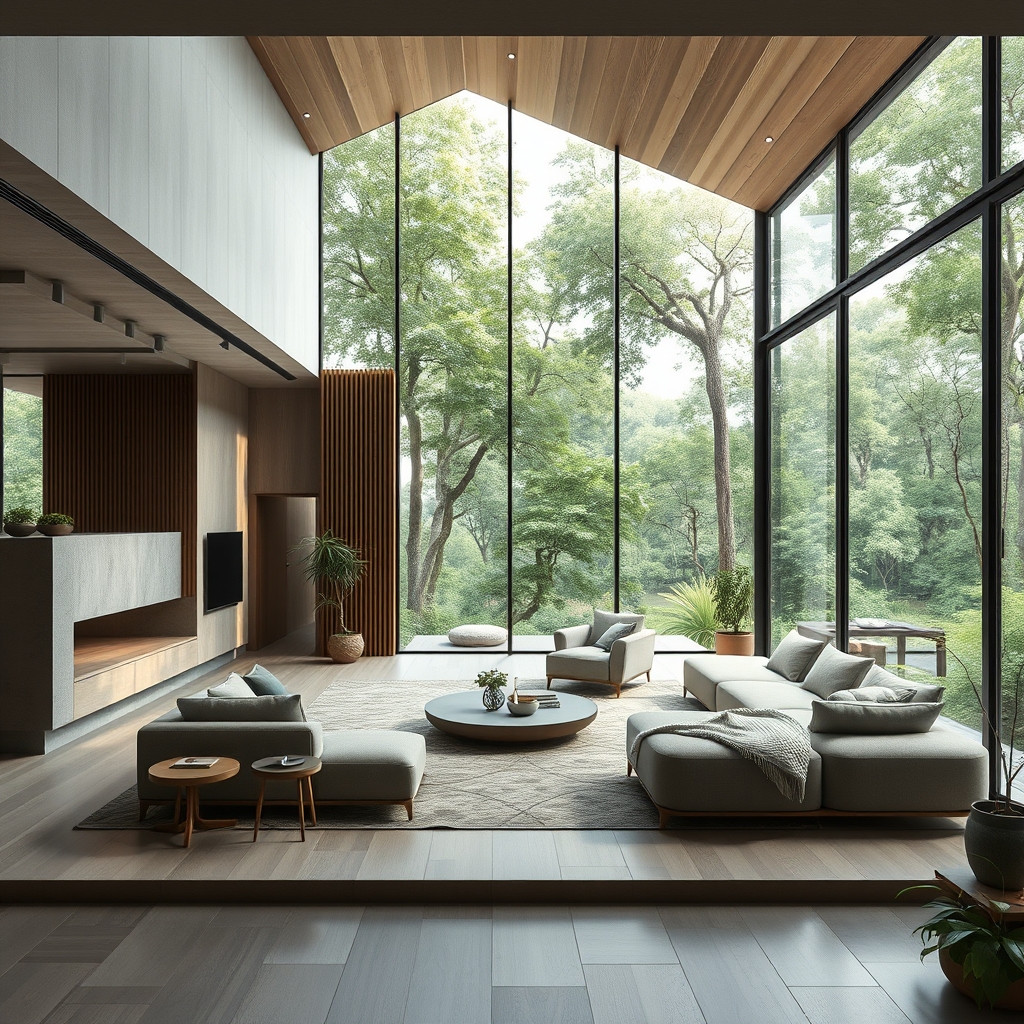
In the realm of architecture and interior design, there exists a subtle yet profound artistry that transcends the tangible. It’s the invisible thread that weaves together the mind, body, and space, creating environments that resonate with our emotions and needs. This artistry is the essence of immersive spatial design, a concept that goes beyond mere aesthetics to encompass the sensory, psychological, and emotional dimensions of living spaces.
Immersive Spatial Design: A Symphony of Senses
Immersive spatial design is a holistic approach to creating environments that engage all the senses. It’s about crafting spaces that are not just visually appealing but also tactile, auditory, and olfactory. This approach recognizes that our perception of space is influenced by our senses, and by stimulating these senses, we can create environments that are more meaningful and fulfilling.
Sensory Interior Environments
Sensory interior environments are designed to evoke specific sensory experiences. For instance, a bedroom designed to promote relaxation might feature soft, plush textures, calming colors, and soothing sounds. Similarly, a workspace designed to enhance focus might incorporate natural materials, strategic lighting, and ambient sounds that stimulate concentration.
Human Centric Architecture: Designing for the Human Experience
Human centric architecture is an approach that prioritizes the needs, preferences, and behaviors of the people who will inhabit a space. It’s about creating environments that are intuitive, comfortable, and supportive of human activities. This approach recognizes that people are not just passive occupants of space but active participants in the creation of their environment.
Adaptive Living Spaces: Designing for Change
Adaptive living spaces are designed to evolve and change in response to the needs and preferences of their inhabitants. These spaces can be reconfigured to suit different activities, from sleeping to working to entertaining. They can also be personalized to reflect the unique tastes and lifestyles of their occupants. This flexibility and adaptability make adaptive living spaces more versatile and sustainable.
Biophilic Design Integration: Connecting with Nature
Biophilic design integration is the practice of incorporating natural elements and principles into the design of built environments. This approach recognizes that our connection to nature has a profound impact on our well-being and happiness. By integrating biophilic design principles, we can create environments that are more harmonious, healthy, and fulfilling.
Personalized Interior Concepts: Designing for Individuality
Personalized interior concepts are designed to reflect the unique tastes, lifestyles, and personalities of their inhabitants. These concepts recognize that everyone has different needs, preferences, and aspirations, and that a one-size-fits-all approach to design is often ineffective and unsatisfying. By embracing personalized interior concepts, we can create environments that are truly unique and meaningful.
In the end, the artistry of immersive spatial design is about creating environments that are not just beautiful but also meaningful, fulfilling, and supportive of our well-being. It’s about recognizing that our living spaces are not just physical structures but extensions of ourselves, and that by designing them with care and thoughtfulness, we can create environments that truly enhance our lives.



