
The Living Alchemy: Crafting Homes That Harmonize Mind, Body, and Space
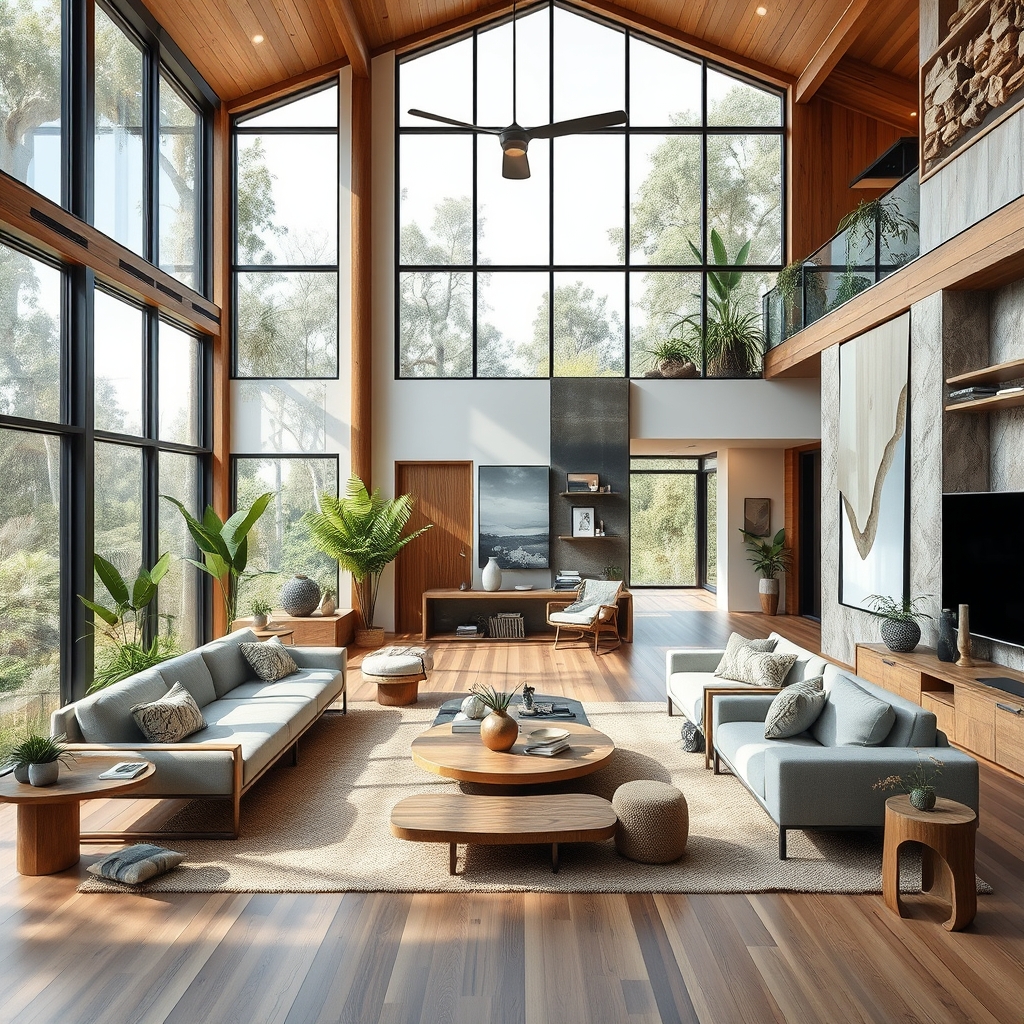
In the realm of architecture and interior design, a new paradigm is emerging – one that transcends the mere functional aspects of a space to create environments that resonate with the human experience. This approach, often referred to as immersive spatial design, is a holistic methodology that integrates sensory, psychological, and emotional dimensions to craft spaces that are not just lived in, but experienced.
Immersive Spatial Design: A New Paradigm
Immersive spatial design is more than just a trend; it’s a revolution in how we perceive and interact with our living spaces. It’s about creating environments that engage all our senses, stimulate our minds, and nurture our emotions. This approach is rooted in the understanding that our homes are not just physical structures, but extensions of our selves.
Sensory Interior Environments
At the heart of immersive spatial design are sensory interior environments. These are spaces designed to stimulate the senses, from the tactile feel of materials to the visual appeal of colors and textures. For instance, the use of natural materials like wood, stone, and bamboo can create a sense of warmth and grounding, while the strategic use of light can influence mood and energy levels.
Human Centric Architecture
Human centric architecture is another key aspect of immersive spatial design. It’s about creating spaces that are intuitive, comfortable, and responsive to the needs and behaviors of the people who inhabit them. This approach involves understanding the psychological and physiological needs of the users, and designing spaces that cater to these needs.
Adaptive Living Spaces
Adaptive living spaces are designed to evolve and change in response to the needs and preferences of the inhabitants. These spaces can be reconfigured to suit different activities, from hosting guests to creating a cozy retreat. The use of flexible furniture, modular walls, and multi-functional rooms are some of the ways in which adaptive living spaces can be achieved.
Biophilic Design Integration
Biophilic design integration is a powerful tool in the creation of immersive spatial environments. This approach involves incorporating elements of nature into the design of our homes, such as natural light, plants, water features, and natural materials. These elements can have a profound impact on our well-being, reducing stress, improving mood, and enhancing cognitive function.
Personalized Interior Concepts
Personalized interior concepts are all about creating spaces that reflect the unique personalities, lifestyles, and preferences of the inhabitants. This approach involves a deep understanding of the individual, and the creation of spaces that cater to their specific needs and desires. From the color scheme to the furniture layout, every aspect of the space is tailored to create a truly personalized environment.
Conclusion
In the end, immersive spatial design is about creating homes that are not just places to live, but experiences to cherish. It’s about harmonizing the mind, body, and space to create environments that are as unique and individual as the people who inhabit them. As we continue to explore and innovate in this field, we are not just designing homes, but crafting experiences that will shape the way we live, work, and play for generations to come.



