
The Alchemy of Perception: How Sensory Interior Environments Rewire the Mind’s Relationship with Space
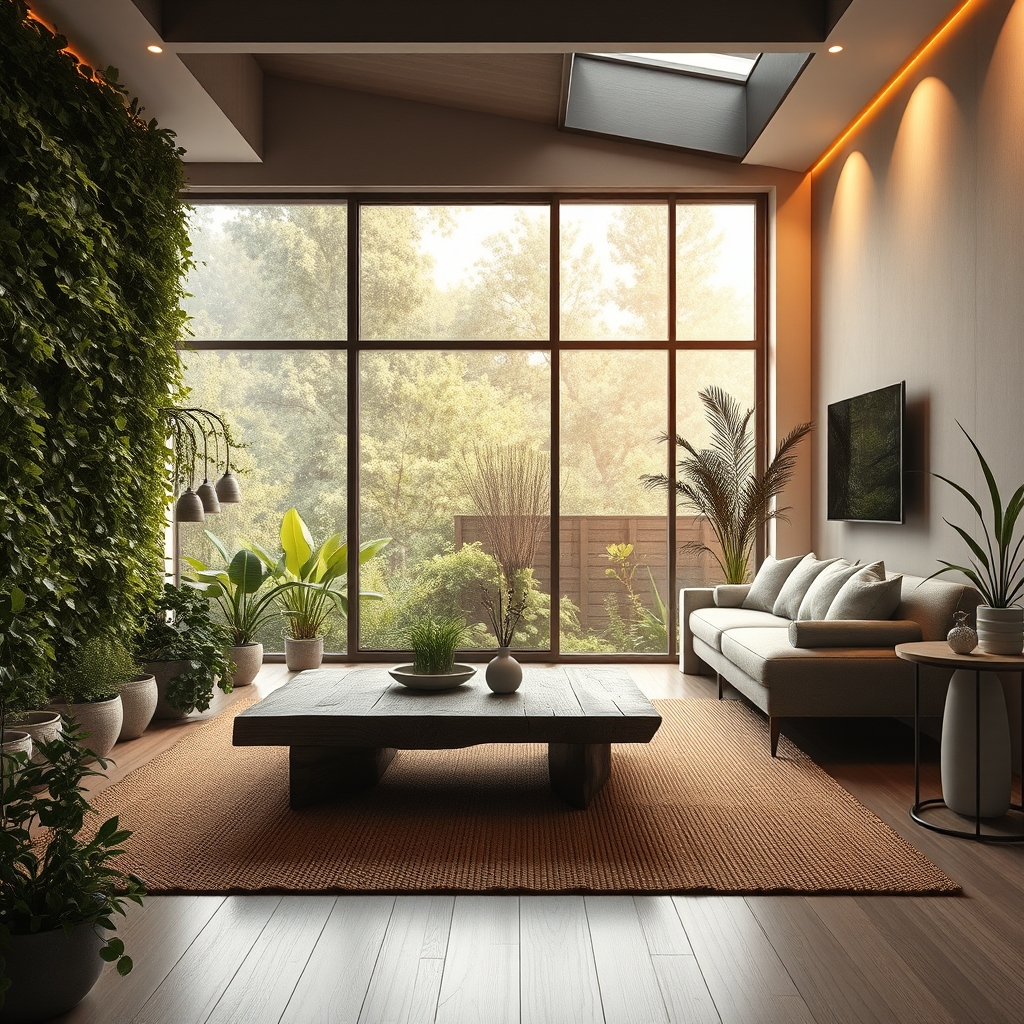
Imagine stepping into a room where the air hums with a subtle, rhythmic pulse—where light shifts like the slow breath of the ocean, and textures whisper against your skin like the pages of an old book. This is not just a space; it is an experience, a carefully orchestrated symphony of sensory cues designed to reshape how you perceive, feel, and interact with your surroundings. Sensory interior environments are no longer the stuff of futuristic fantasies; they are here, quietly revolutionizing the way we inhabit our homes by engaging the mind in ways that transcend mere aesthetics.
The Science of Sensory Engagement
At the heart of sensory interior design lies the understanding that the human brain does not passively receive space—it actively interprets it. Neuroscientific research reveals that our perception of an environment is shaped by a complex interplay of sensory inputs: the warmth of a wooden floor beneath bare feet, the scent of lavender lingering in the air, the way natural light filters through sheer curtains to cast shifting patterns on the walls. These elements do more than please the senses; they trigger emotional responses, influence cognitive function, and even alter physiological states.
For instance, studies in environmental psychology have shown that spaces with dynamic lighting—mimicking the natural progression of daylight—can regulate circadian rhythms, improving sleep quality and overall well-being. Similarly, the strategic use of texture, such as rough-hewn stone or smooth, polished marble, can evoke feelings of groundedness or fluidity, respectively. When these elements are thoughtfully integrated, they create an environment that doesn’t just house activities but actively participates in them, fostering a deeper connection between the occupant and the space.
The Art of Layered Perception
Creating a sensory-rich environment is not about overwhelming the senses but about layering them in a way that feels intuitive and harmonious. It begins with the foundational elements—light, sound, and scent—and builds upward to include tactile and visual experiences. Consider the role of sound: a softly playing fountain in a living room can mask urban noise, while acoustic panels in a home office can absorb distractions, creating a cocoon of focus. Scent, often the most underutilized tool in interior design, can evoke memories, calm the mind, or energize the spirit. A hint of citrus in the morning might invigorate, while the earthy aroma of vetiver in the evening could signal the transition to rest.
Visual layers are equally critical. The interplay of color, pattern, and material can guide the eye and influence mood. A monochromatic palette with varying textures—such as a linen sofa paired with a wool throw—creates a sense of depth and tranquility, while bold, contrasting hues can stimulate creativity and conversation. The key is balance: too much stimulation can lead to sensory overload, while too little can result in a space that feels sterile and uninspiring. The goal is to craft an environment that feels alive, responsive, and deeply personal.
Biophilic Design: Nature as the Ultimate Sensory Guide
One of the most powerful frameworks for sensory interior design is biophilic design, which seeks to integrate elements of nature into the built environment. This approach is rooted in the idea that humans have an innate connection to the natural world, and when this connection is nurtured, it enhances well-being. Biophilic design goes beyond adding a few potted plants; it involves incorporating natural materials, patterns, and processes into the fabric of a space. Think of a living wall that purifies the air, a reclaimed wood dining table that tells a story, or a window that frames a view of a garden, allowing natural light and greenery to become part of the interior experience.
Research has shown that biophilic elements can reduce stress, improve cognitive function, and even accelerate healing. For example, a study conducted in healthcare settings found that patients in rooms with views of nature had shorter recovery times and required less pain medication than those in rooms without such views. In residential spaces, biophilic design can create a sanctuary that feels both grounding and rejuvenating, a place where the boundaries between indoors and outdoors blur, and the senses are continually engaged in a dance with nature.
The Psychology of Personalization
While sensory design principles can be applied universally, the most transformative spaces are those that reflect the unique psychology of their occupants. Personalization is not just about choosing colors or furniture that align with individual tastes; it’s about understanding how a person’s sensory preferences shape their experience of space. For some, a minimalist environment with clean lines and muted tones may feel calming, while for others, a vibrant, eclectic space filled with art and texture may be more invigorating. The challenge for designers is to translate these preferences into a cohesive sensory narrative that feels authentic and intentional.
This is where co-creative design processes come into play. By involving occupants in the design journey—through workshops, mood boards, or even virtual reality simulations—designers can gain insights into their sensory inclinations and emotional triggers. For example, someone who thrives in clutter-free spaces might benefit from hidden storage solutions and a neutral palette, while a creative professional might need a studio-like environment with bold colors and flexible layouts. The result is a space that doesn’t just look good but feels right, a place where every sensory detail aligns with the occupant’s inner world.
Technology as a Sensory Amplifier
In the digital age, technology has become an indispensable tool for enhancing sensory experiences in interior design. Smart home systems can now adjust lighting, temperature, and even scent based on the time of day or the occupant’s mood. For instance, a smart thermostat might lower the temperature in the evening to signal the body that it’s time to wind down, while a lighting system could gradually brighten in the morning to mimic sunrise, easing the transition from sleep to wakefulness. These technologies are not about replacing human intuition but about amplifying it, creating environments that are responsive, adaptive, and deeply attuned to the needs of their occupants.
Digital twin interior modeling takes this a step further by allowing designers to simulate and refine sensory experiences before a space is even built. Using virtual reality, occupants can “walk through” a proposed design, experiencing how light, sound, and texture will interact in real time. This level of precision ensures that every sensory detail is intentional, from the way a door creaks to the way a rug feels underfoot. The result is a space that feels not just designed but discovered, as if it has always been a part of the occupant’s life.
As we continue to explore the potential of sensory interior environments, one thing becomes clear: the future of design is not just about how spaces look but about how they make us feel. It’s about crafting environments that engage the senses, nurture the soul, and adapt to the ever-changing rhythms of human life. In a world that often feels disconnected and overwhelming, these spaces offer a refuge—a place where the mind can rest, the spirit can thrive, and the senses can come alive in ways we are only beginning to understand. The alchemy of perception is not just about transforming spaces; it’s about transforming lives, one sensory detail at a time.



