
From Color Drenching to Biophilic Evolution: Key Interior Design Trends Shaping 2024
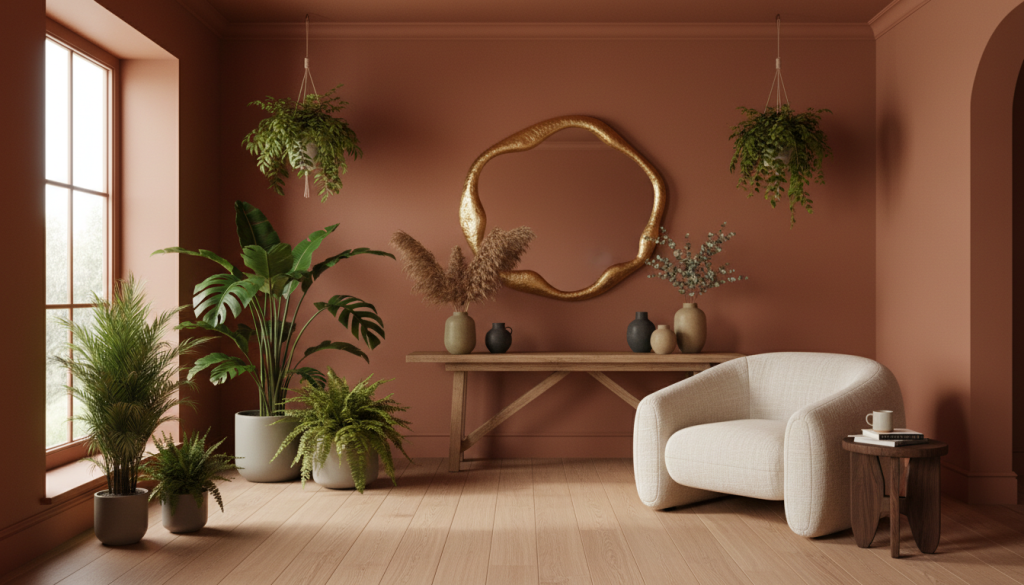
The world of interior design is constantly evolving, reflecting our changing lifestyles, values, and technological advancements. As we look ahead, a fascinating blend of introspection, sustainability, and sensory richness is emerging, promising spaces that are not only beautiful but deeply personal and functional. From bold monochromatic statements to serene natural havens, the upcoming interior design trends invite us to rethink how our homes can truly serve as sanctuaries and expressions of self.
Embracing Depth and Dimension: Color Drenching and Textured Minimalism
One of the most striking movements gaining momentum is Color Drenching, where a single hue takes over an entire room – walls, ceilings, trim, and even furniture. This immersive approach creates a cocoon-like, sophisticated atmosphere, blurring boundaries and offering a powerful sense of unity and calm. It’s a bold step away from accent walls, inviting a deeper, more enveloping experience of color.
The Power of Color Drenching
Beyond its visual impact, color drenching can transform the perception of space. Deeper shades can make a large room feel more intimate, while lighter tones can expand smaller areas. It’s about creating a holistic environment where color isn’t just a backdrop but an active participant in the room’s mood and identity.
Textured Minimalism: A Sensory Experience
Complementing the depth of color drenching is the rise of Textured Minimalism. This trend moves beyond stark white spaces, focusing instead on inviting tactile experiences through natural materials like linen, wool, raw wood, and stone. It brings warmth and subtle complexity to minimalist aesthetics, creating serene environments that engage more than just the eyes.
Earthy Terracotta and Dark Wood Accents
Adding to this sensory richness, we’re seeing a strong return to Earthy Terracotta tones. These warm, grounding hues, whether in tiles, decorative objects, or wall finishes, connect us to nature and history. Paired with sophisticated Dark Wood Accents, such as walnut or ebony, these elements introduce a sense of timeless elegance and organic depth, grounding modern designs with classic charm.
A Sanctuary for Well-being: Biophilic Evolution and Smart Home Wellness
Our longing for connection with the natural world continues to shape our homes. The evolution of biophilic design goes beyond simple houseplants, integrating natural light, organic materials, and views of nature more deeply into architectural design. This Biophilic Evolution seeks to reduce stress and improve well-being by fostering a direct connection to the outdoors, even within urban settings.
Designing for Comfort: Smart Home Wellness and Neuro Responsive Design
Technology is also adapting to enhance our well-being. Smart Home Wellness solutions are moving beyond convenience to actively support health, with features like air quality monitoring, circadian lighting, and soundscapes designed to promote relaxation or focus. This integrates seamlessly with Neuro Responsive Design, which considers how environments impact our cognitive and emotional states, aiming to create spaces that soothe, stimulate, or inspire as needed.
Cultivating Calm: Reading Nooks and Moody Atmosphere
Creating dedicated zones for relaxation is paramount. The resurgence of cozy Reading Nooks, complete with comfortable seating and thoughtful lighting, speaks to a desire for quiet introspection. These spaces often contribute to a broader Moody Atmosphere, characterized by deeper color palettes, layered lighting, and soft textures that invite lingering and unwind.
Crafting Unique Narratives: Artisan Craftsmanship and Adaptive Reuse
In an age of mass production, there’s a profound appreciation for the unique and the handmade. Artisan Craftsmanship is celebrated, with bespoke furniture, hand-thrown ceramics, and woven textiles adding character and soul to interiors. These pieces tell stories and carry the warmth of human touch, becoming focal points that reflect individuality.
Telling Stories Through Adaptive Reuse
The practice of Adaptive Reuse transforms existing structures into new, functional spaces while preserving their historical character. This sustainable approach breathes new life into old buildings, creating homes with unique narratives and a reduced environmental footprint. It’s about honoring the past while designing for the future.
Sculptural Furniture and Maximalist Mirrors
Beyond traditional forms, furniture is becoming art. Sculptural Furniture pieces, with their flowing lines and unexpected shapes, act as functional art installations, redefining spatial dynamics. Similarly, Maximalist Mirrors, often oversized with ornate frames or unique silhouettes, serve as dramatic focal points, reflecting light and adding grandeur to any room.
Future-Forward Living: Sustainable Luxury and Multigenerational Layouts
Sustainability is no longer a niche concept but a core principle of luxury design. Sustainable Luxury focuses on high-quality, durable materials, ethical sourcing, and energy-efficient solutions. Homes are increasingly designed to be Zero Energy Ready, minimizing their environmental impact through advanced insulation, renewable energy systems, and smart energy management.
Designing for All Ages: Multigenerational Layouts
As family structures evolve, homes are adapting to accommodate multiple generations under one roof. Multigenerational Layouts prioritize flexibility, accessibility, and privacy for all inhabitants, often featuring separate living suites or adaptable spaces that cater to diverse needs and lifestyles. This fosters connection while respecting individual autonomy.
Functional Elegance: Curbless Showers and Analog Spaces
Practicality meets sleek design in areas like the bathroom. Curbless Showers offer not only a minimalist aesthetic but also enhanced accessibility, creating a seamless transition that makes spaces feel larger and more open. Amidst our digital saturation, there’s also a growing desire for Analog Spaces – areas free from screens, dedicated to activities like reading, board games, or simply quiet contemplation, encouraging mindful presence.
Whimsical Touches: English Cottage Style and Organic Silhouettes
A charming counterpoint to sleek modernism is the enduring appeal of English Cottage Style. This aesthetic embraces warmth, comfort, and a touch of romantic nostalgia, characterized by cozy furnishings, floral patterns, and a lived-in feel. It’s about creating a welcoming, unpretentious haven that feels deeply personal.
Flowing Forms: Organic Silhouettes
Across various styles, there’s an increasing preference for Organic Silhouettes. From furniture with soft, rounded edges to architectural elements that mimic natural forms, these flowing shapes introduce a sense of calm and fluidity. They soften harsh lines, making spaces feel more inviting and harmonious, reflecting the gentle imperfections found in nature.
These evolving interior design currents highlight a collective yearning for homes that are more than just shelters; they are curated environments that nurture well-being, celebrate craftsmanship, and reflect a conscious connection to our planet and each other. By thoughtfully integrating these elements, you can transform your living spaces into deeply resonant havens that inspire and sustain for years to come.



