
Beyond Trends: Navigating the Future of Home Design with Color Drenching, Biophilic Evolution, and Sustainable Luxury
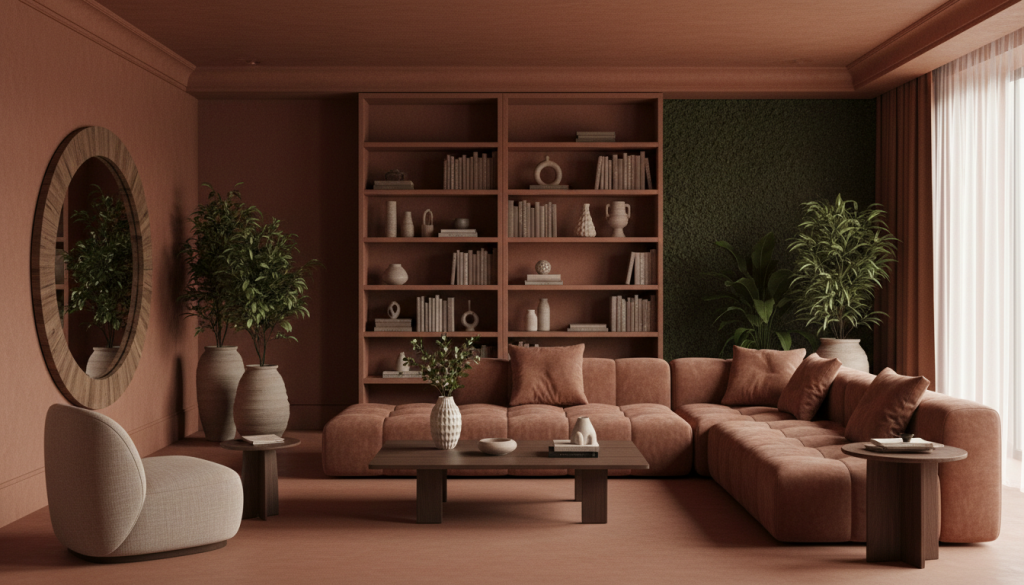
Our homes are more than just structures; they are evolving sanctuaries, reflecting our deepest desires for comfort, connection, and well-being. As we step further into a new era, interior design trends are shifting dramatically, moving beyond fleeting fads to embrace profound changes in how we live. One of the most captivating shifts is the rise of Color Drenching, a bold technique where a single hue saturates an entire space, from walls to trim and even furniture, creating an immersive and deeply personal experience.
The Allure of Color Drenching and Moody Atmospheres
This monochromatic approach isn’t about blandness; it’s about depth and emotion. By embracing a singular color, designers craft a cohesive and enveloping environment that feels incredibly sophisticated. This technique often contributes to a desired Moody Atmosphere, where rich, nuanced tones foster a sense of calm and introspection, perfect for unwinding after a long day.
Complementing this saturated aesthetic are natural, grounding materials. We’re seeing a resurgence of Earthy Terracotta, bringing warmth and a touch of ancient craftsmanship into modern homes. These sun-baked tones pair beautifully with deep, resonant Dark Wood Accents, which add gravitas and a sense of timeless elegance to any room, from kitchen cabinetry to bespoke furniture pieces.
Biophilic Evolution: Bridging Nature and Neuro-Responsive Design
Beyond aesthetics, there’s a profound yearning for connection to the natural world. This manifests as a deeper Biophilic Evolution in design, where elements of nature are seamlessly integrated to enhance health and happiness. Think living walls, abundant natural light, and materials that evoke the outdoors, fostering a sense of peace and vitality within urban environments.
This natural integration extends to the very forms within our spaces. Furniture and decor are increasingly adopting Organic Silhouettes, featuring soft curves and fluid lines that mirror shapes found in nature. This departure from rigid geometry creates a more harmonious and inviting feel, promoting relaxation and comfort.
Modern homes are also becoming smarter, but with a focus on well-being. Smart Home Wellness technologies are no longer just about convenience; they’re about optimizing our living conditions. From air quality monitors to circadian lighting systems, these innovations support a healthier lifestyle. Taking this a step further, Neuro Responsive Design considers how spaces impact our cognitive and emotional states, creating environments that actively promote focus, calm, or creativity through thoughtful layout and sensory elements.
Sustainable Luxury and Adaptive Living: Homes for Tomorrow
Today’s discerning homeowner seeks not just beauty, but also purpose and longevity. This drives the trend towards Sustainable Luxury, where high-quality, ethically sourced materials and energy-efficient practices are paramount. It’s about investing in pieces and systems that last, reducing environmental impact without compromising on elegance or comfort.
Our homes are also becoming more adaptable to changing life stages. Multigenerational Layouts are gaining prominence, designing spaces that comfortably accommodate various ages and needs under one roof. This thoughtful planning ensures flexibility and inclusivity, making homes truly future-proof.
In bathrooms, the sleek and accessible Curbless Showers are a prime example of form meeting function. They not only offer a minimalist aesthetic but also enhance safety and accessibility for all users. Furthermore, the push for environmental responsibility is evident in the rise of Zero Energy Ready homes, which are designed to produce as much energy as they consume, drastically cutting utility costs and carbon footprints.
Another powerful movement is Adaptive Reuse, transforming existing structures into vibrant, new living spaces. This sustainable practice celebrates history while injecting modern functionality, giving old buildings a new lease on life and reducing the demand for new construction.
Crafting Analog Spaces with Sculptural Forms and Artisan Touch
Amidst our increasingly digital world, there’s a growing desire for havens of quiet reflection. This is where Analog Spaces come in, designed to encourage unplugging and mindful living. Think dedicated Reading Nooks, cozy corners filled with books, soft textiles, and a comforting atmosphere, inviting contemplation and escape from screens.
Aesthetic preferences are also evolving, favoring depth over starkness. Textured Minimalism embraces clean lines but introduces rich tactile elements – think linen, wool, rough-hewn wood – to add warmth and character without clutter. This approach creates spaces that are both serene and inviting.
Statement pieces are making a powerful return, particularly Maximalist Mirrors. These oversized, often ornate, reflective surfaces serve as focal points, expanding spaces and adding a touch of dramatic flair. Similarly, Sculptural Furniture blurs the lines between art and utility, with pieces designed as functional works of art, commanding attention and elevating the entire room’s aesthetic.
Underpinning many of these trends is a deep appreciation for human skill. Artisan Craftsmanship is highly valued, with unique, handmade objects adding soul and narrative to a home. Whether it’s a hand-thrown ceramic vase or a custom-built piece of furniture, these items tell a story. Even traditional styles are getting a fresh look, with elements of charming English Cottage Style being reinterpreted through a modern lens, blending rustic comfort with contemporary sophistication.
As you envision your next home project, consider these forward-thinking approaches. By integrating elements like the immersive experience of color drenching, the calming influence of biophilic design, or the enduring appeal of artisan craftsmanship, you can create a space that not only looks beautiful but also profoundly supports your lifestyle and values for years to come.



