
Cultural Narrative Interiors: Weaving Heritage and Identity into Modern Living Spaces
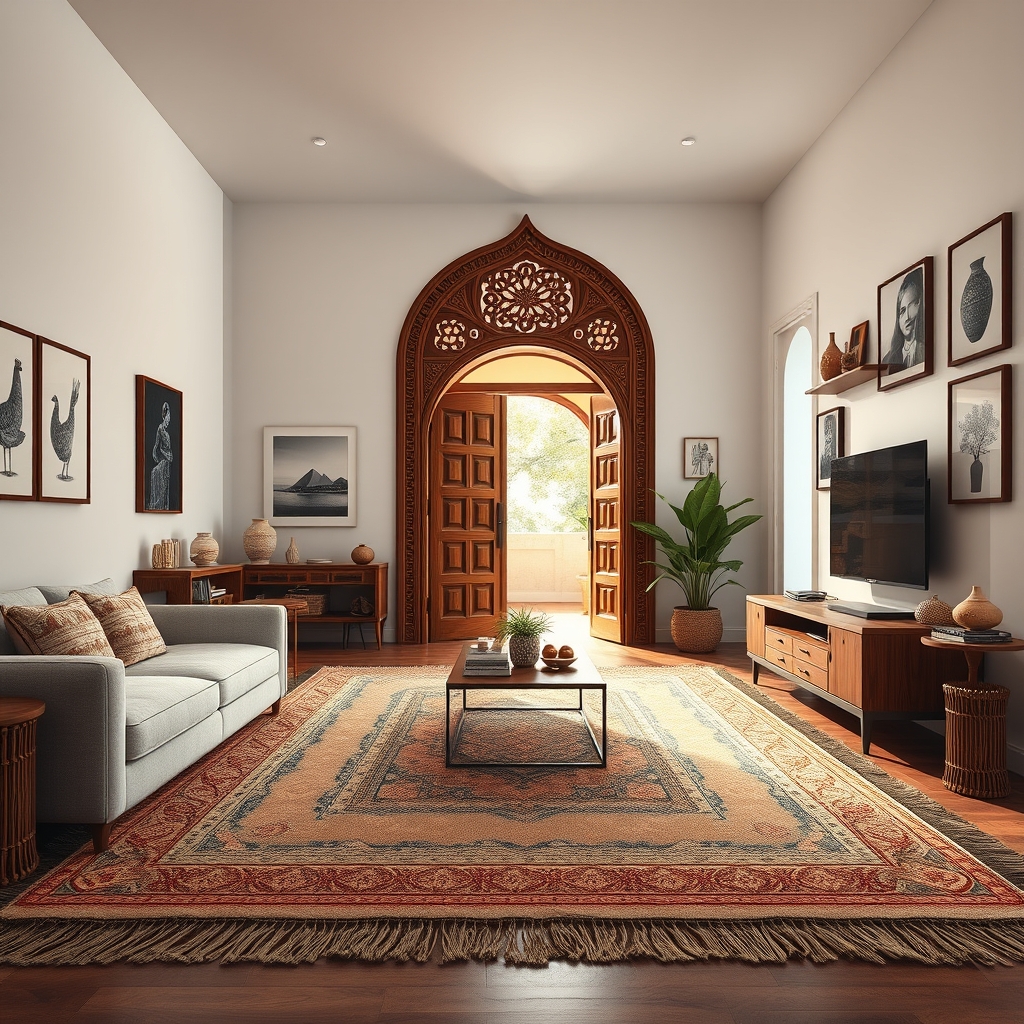
In an era where homes are increasingly seen as extensions of personal identity, the concept of cultural narrative interiors is gaining momentum. This approach to design transcends mere aesthetics, embedding the rich tapestry of heritage, traditions, and personal stories into the very fabric of living spaces. It’s not just about decorating a room; it’s about creating an environment that resonates with the soul, evoking memories, emotions, and a deep sense of belonging. As modern living becomes more globalized, the desire to reconnect with one’s roots through design has never been more profound.
The Essence of Cultural Narrative in Design
Cultural narrative interiors are about more than just incorporating traditional artifacts or motifs. They represent a thoughtful curation of elements that tell a story—whether it’s the history of a family, the evolution of a community, or the artistic expressions of a particular culture. This design philosophy is deeply rooted in the idea that spaces should reflect the people who inhabit them, not just in terms of functionality but also in terms of emotional and psychological resonance.
For instance, a home might feature handwoven textiles passed down through generations, not merely as decorative pieces but as symbols of craftsmanship and familial bonds. Similarly, architectural elements like arched doorways or intricate woodwork can pay homage to cultural heritage while seamlessly blending with contemporary design. The key lies in striking a balance—honoring tradition without feeling bound by it, and embracing modernity without losing sight of one’s roots.
Bridging the Past and Present
One of the most compelling aspects of cultural narrative interiors is their ability to bridge the gap between the past and the present. This is particularly relevant in today’s fast-paced world, where the pace of change can often leave individuals feeling disconnected from their heritage. By integrating elements of the past into modern living spaces, designers can create environments that feel both timeless and relevant.
Consider the use of reclaimed materials, such as vintage doors or antique furniture, which can add character and depth to a space. These pieces not only serve a functional purpose but also carry the weight of history, infusing a home with a sense of continuity. Similarly, contemporary art inspired by traditional techniques or motifs can serve as a bridge between old and new, creating a dialogue between different eras.
Personalization Through Cultural Expression
At its core, cultural narrative design is about personalization. It’s about moving beyond generic trends and creating spaces that are uniquely tailored to the individuals who live in them. This level of customization requires a deep understanding of the client’s background, values, and aspirations. It’s not enough to simply incorporate cultural elements; they must be thoughtfully integrated in a way that feels authentic and meaningful.
For example, a designer working with a client of Japanese descent might incorporate elements of wabi-sabi, the Japanese aesthetic of imperfection and transience, into the home’s design. This could manifest in the use of natural materials, asymmetrical layouts, or handcrafted objects that celebrate the beauty of imperfection. Alternatively, a client with Scandinavian roots might opt for a minimalist approach, using light woods, neutral tones, and functional design to evoke the simplicity and elegance of Nordic interiors.
The Role of Storytelling in Design
Storytelling is a powerful tool in cultural narrative interiors. Every object, color, and texture in a space can contribute to a larger narrative, creating a cohesive and immersive experience. This might involve displaying family heirlooms in a way that highlights their significance, or using color palettes inspired by a client’s cultural background. Even the layout of a room can tell a story—perhaps by arranging furniture to mimic the flow of a traditional courtyard or by creating a focal point around a piece of art that holds personal meaning.
Incorporating storytelling into design also means being mindful of the sensory experience. The scent of incense, the sound of wind chimes, or the texture of handwoven fabrics can all evoke memories and emotions, deepening the connection between the space and its inhabitants. This multi-sensory approach ensures that the design is not just visually appealing but also emotionally engaging.
Sustainability and Cultural Narrative
Another compelling aspect of cultural narrative interiors is their alignment with sustainable design principles. Many traditional design practices are inherently eco-friendly, relying on locally sourced materials, handcrafted techniques, and a deep respect for the natural world. By reviving these practices, designers can create spaces that are not only beautiful but also environmentally responsible.
For instance, using reclaimed wood or natural fibers like jute and linen can reduce the environmental impact of a home while adding warmth and texture. Similarly, incorporating energy-efficient solutions inspired by traditional architecture—such as passive cooling techniques or solar gain strategies—can enhance a home’s sustainability without compromising on style. This fusion of old and new creates spaces that are both culturally rich and ecologically conscious.
Challenges and Considerations
While cultural narrative interiors offer a wealth of opportunities, they also come with their own set of challenges. One of the primary considerations is avoiding cultural appropriation—ensuring that elements are used respectfully and authentically. This requires thorough research, collaboration with cultural experts, and a deep understanding of the significance behind each design choice.
Another challenge is striking the right balance between tradition and modernity. Overloading a space with cultural elements can make it feel cluttered or overly nostalgic, while neglecting them entirely can result in a space that lacks depth and personality. The key is to find a harmonious blend, where cultural elements enhance rather than overwhelm the design.
In a world where homes are often seen as reflections of personal identity, cultural narrative interiors offer a powerful way to connect with one’s heritage while embracing the possibilities of modern living. By weaving together stories, traditions, and contemporary design, these spaces become more than just places to live—they become sanctuaries of meaning, memory, and belonging. Whether through the careful selection of materials, the thoughtful arrangement of objects, or the integration of sensory experiences, cultural narrative interiors invite us to live more intentionally, celebrating the past while embracing the future with open arms.



