The Living Mosaic: Crafting Homes That Reflect and Respond
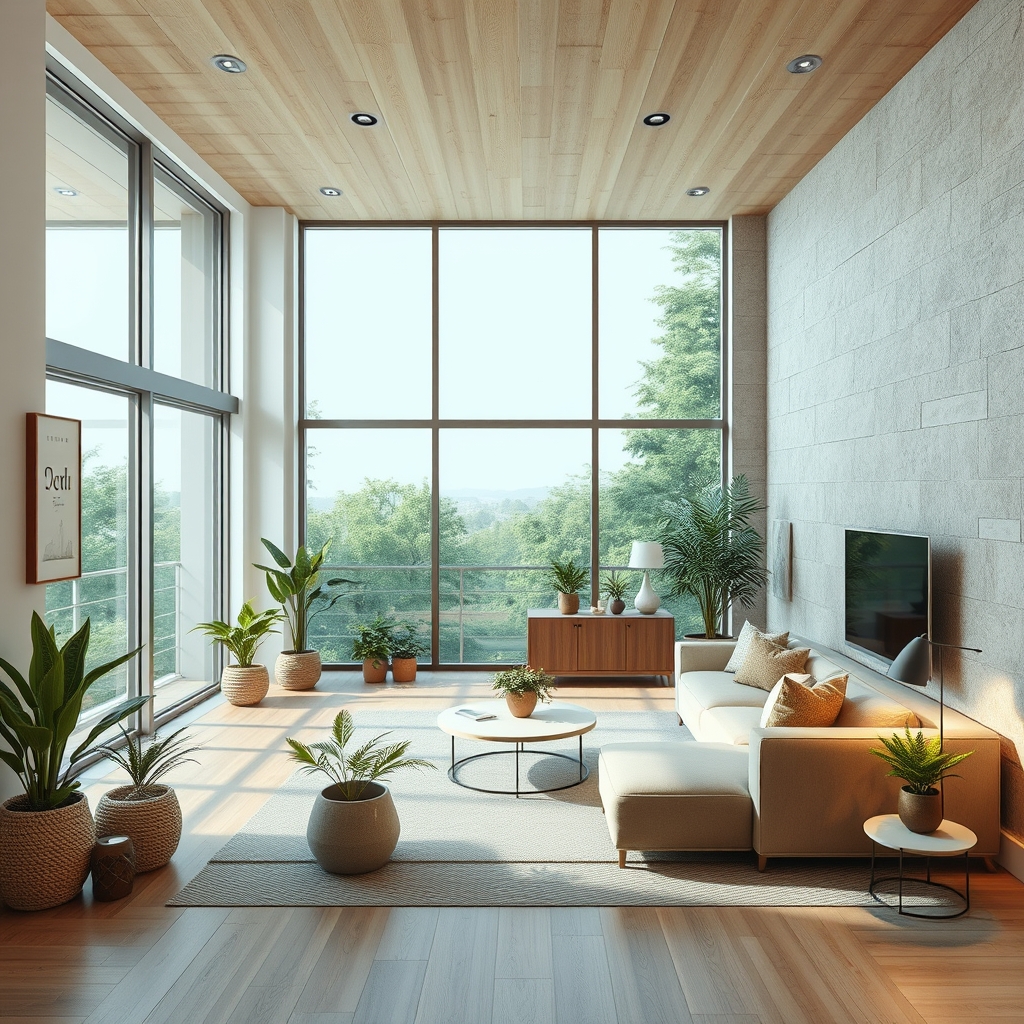
Immersive Spatial Design: A New Era of Living
In the rapidly evolving world of architecture and interior design, a new paradigm is emerging—one that prioritizes the human experience above all else. Immersive spatial design is at the forefront of this movement, creating environments that engage all five senses and foster a deep connection between inhabitants and their spaces.
Sensory Interior Environments
Sensory interior environments are designed to stimulate and soothe the senses, creating a harmonious balance that promotes well-being. From the texture of materials to the play of light and shadow, every element is carefully considered to evoke a specific emotional response. This approach is not just about aesthetics; it’s about creating spaces that resonate with the people who inhabit them.
Human-Centric Architecture
Human-centric architecture places the needs and desires of the user at the heart of the design process. It’s about understanding how people interact with their environment and designing spaces that support and enhance those interactions. This approach is particularly important in adaptive living spaces, which are designed to evolve with the changing needs of their occupants.
Biophilic Design Integration
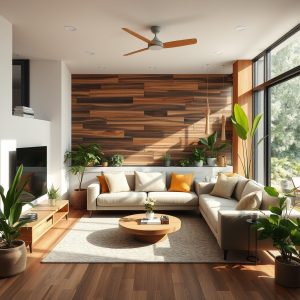
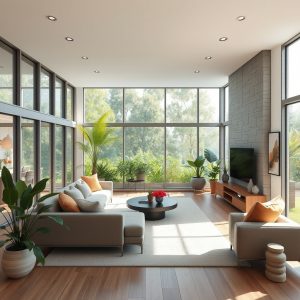
Biophilic design integration brings the natural world into the built environment, creating spaces that are not only visually appealing but also beneficial to human health and well-being. By incorporating elements such as natural light, plants, and natural materials, biophilic design creates a sense of connection to nature that is both calming and invigorating.
Personalized Interior Concepts
Personalized interior concepts are tailored to the unique preferences and lifestyles of the people who will be living in the space. This approach goes beyond simply choosing colors and furnishings; it’s about creating a space that truly reflects the personality and values of its inhabitants. From minimalist lifestyle design to culturally narrative interiors, the possibilities are endless.
Sustainable Home Styling
Sustainable home styling is about creating beautiful, functional spaces that are also environmentally responsible. This involves conscious material selection, energy-efficient design, and a commitment to reducing waste. By prioritizing sustainability, designers can create homes that are not only aesthetically pleasing but also kind to the planet.
Interactive Interior Planning
Interactive interior planning involves the use of digital tools to create and visualize interior spaces. From digital twin interior modeling to smart home experience design, these technologies allow designers and clients to explore different design options and make informed decisions. This collaborative approach ensures that the final design is a true reflection of the client’s vision.
Psychological Space Optimization
Psychological space optimization is about creating spaces that support mental health and well-being. This involves understanding how different design elements can impact mood and behavior, and using that knowledge to create spaces that are emotionally resonant and psychologically supportive. From wellness-focused home design to emotionally resonant interiors, this approach is about creating spaces that nurture the whole person.
Co-Creative Design Processes
Co-creative design processes involve collaboration between designers and clients, ensuring that the final design is a true reflection of the client’s vision. This approach fosters a sense of ownership and connection to the space, making it feel truly personal and unique. By working together, designers and clients can create spaces that are not only beautiful but also deeply meaningful.
Flexible Living Solutions
Flexible living solutions are designed to adapt to the changing needs of their occupants. Whether it’s a home that can easily be reconfigured to accommodate a growing family or a workspace that can be transformed to support different types of work, these spaces are designed to be versatile and adaptable. This approach is particularly important in today’s fast-paced world, where flexibility and adaptability are key.
In the end, the goal of immersive spatial design is to create homes that are not just places to live, but spaces that enrich and enhance the human experience. By prioritizing the needs and desires of the people who will be living in these spaces, designers can create environments that are truly transformative. Whether it’s through sensory interior environments, human-centric architecture, or biophilic design integration, the possibilities are endless. The key is to approach each project with an open mind and a commitment to creating spaces that are as unique and individual as the people who will be living in them.