The Living Alchemy: Crafting Homes That Harmonize Mind, Body, and Space
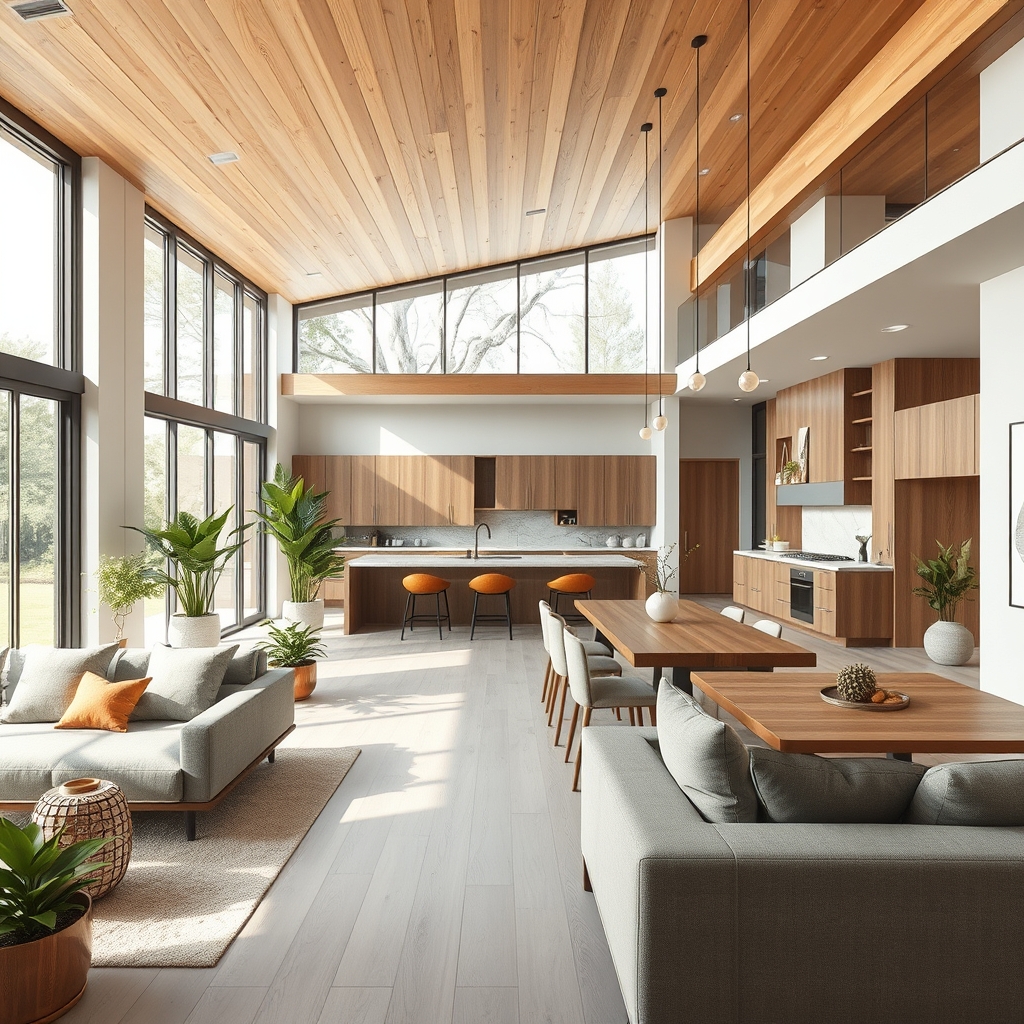
In the realm of architecture and interior design, there exists a fascinating and evolving concept that seeks to create spaces that not only serve a functional purpose but also resonate with the inhabitants on a deeper level. This concept, often referred to as Immersive Spatial Design, is a holistic approach that integrates various elements to craft environments that harmonize the mind, body, and space.
Understanding Immersive Spatial Design
Immersive Spatial Design is an approach that focuses on creating environments that are not just visually appealing but also emotionally resonant and psychologically beneficial. It is about designing spaces that stimulate the senses, evoke emotions, and enhance the overall well-being of the inhabitants. This design philosophy is rooted in the belief that our living spaces should be an extension of ourselves, reflecting our personalities, lifestyles, and aspirations.
Key Elements of Immersive Spatial Design
Sensory Interior Environments
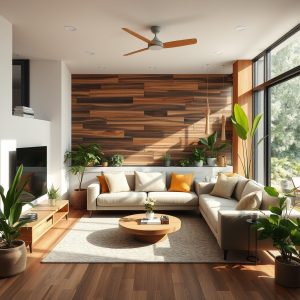
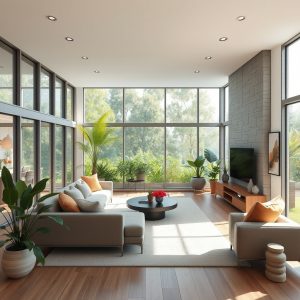
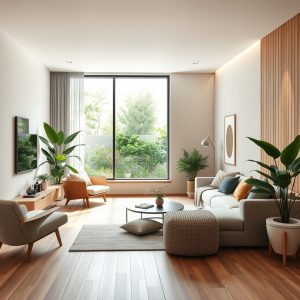
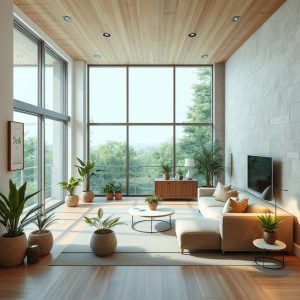
One of the core elements of Immersive Spatial Design is the creation of sensory interior environments. This involves the strategic use of materials, colors, textures, and lighting to create a multi-sensory experience. For instance, the use of natural materials like wood and stone can evoke a sense of warmth and grounding, while the use of cool tones can create a calming effect. The integration of natural light and the use of biophilic design elements, such as indoor plants and water features, can further enhance the sensory experience.
Human Centric Architecture
Human Centric Architecture is another crucial aspect of Immersive Spatial Design. This approach emphasizes the importance of understanding the needs, behaviors, and preferences of the inhabitants. It involves creating spaces that are intuitive, comfortable, and adaptable to the individual’s lifestyle. For example, the design of a kitchen can be tailored to the user’s cooking habits, while the layout of a living room can be optimized for social interactions and relaxation.
Adaptive Living Spaces
Adaptive Living Spaces are designed to evolve and change with the inhabitants’ needs and preferences. This involves the use of flexible and modular furniture, as well as the integration of smart home technologies that can be controlled and automated. For instance, a living room can be transformed into a home theater or a workspace with the flick of a switch, and the lighting and temperature can be adjusted to create the perfect ambiance for any activity.
Biophilic Design Integration
Biophilic Design Integration is the incorporation of natural elements and patterns into the design of the interior spaces. This can include the use of natural materials, the integration of indoor plants, the use of natural light, and the creation of natural soundscapes. Biophilic design has been shown to have numerous benefits, including improved mental health, increased productivity, and a greater sense of connection to nature.
Crafting Immersive Spatial Designs
Personalized Interior Concepts
Personalized Interior Concepts are at the heart of Immersive Spatial Design. This involves understanding the unique needs, preferences, and lifestyles of the inhabitants and creating spaces that reflect their individuality. It is about creating a home that is not just a place to live, but a place that tells a story and evokes a sense of belonging. This can involve the use of personalized art, the integration of meaningful objects, and the creation of spaces that cater to specific activities and interests.
Sustainable Home Styling
Sustainable Home Styling is an essential aspect of Immersive Spatial Design. This involves the use of eco-friendly materials, the integration of renewable energy sources, and the adoption of sustainable practices. Sustainable home styling not only benefits the environment but also enhances the overall well-being of the inhabitants. It can involve the use of recycled materials, the integration of energy-efficient appliances, and the creation of spaces that promote a sense of sustainability and mindfulness.
Interactive Interior Planning
Interactive Interior Planning is the process of creating spaces that are not only functional but also engaging and interactive. This can involve the integration of interactive art, the use of smart home technologies, and the creation of spaces that encourage social interactions and collaboration. Interactive interior planning can transform a home into a dynamic and stimulating environment that evolves with the inhabitants’ needs and interests.
Psychological Space Optimization
Psychological Space Optimization is the process of creating spaces that are not only physically comfortable but also psychologically beneficial. This involves understanding the psychological impact of different spaces and designing them in a way that enhances the overall well-being of the inhabitants. For instance, a bedroom can be designed to promote rest and relaxation, while a workspace can be designed to enhance focus and productivity. The use of color psychology, the integration of calming elements, and the creation of spaces that cater to specific psychological needs can all contribute to the optimization of psychological space.
Digital Twin Interior Modeling
Digital Twin Interior Modeling is the process of creating a virtual replica of the interior spaces. This involves the use of advanced technologies such as 3D modeling, virtual reality, and augmented reality to create a digital twin of the home. Digital twin interior modeling allows for the visualization and simulation of different design concepts, the testing of various layouts and configurations, and the exploration of different design options. This can greatly enhance the design process and result in a more optimized and personalized interior space.
In conclusion, Immersive Spatial Design is a holistic and evolving approach that seeks to create environments that harmonize the mind, body, and space. By integrating various elements such as sensory interior environments, human-centric architecture, adaptive living spaces, biophilic design integration, personalized interior concepts, sustainable home styling, interactive interior planning, psychological space optimization, and digital twin interior modeling, it is possible to craft homes that are not only functional but also emotionally resonant and psychologically beneficial. As we continue to explore and innovate in the field of Immersive Spatial Design, we can look forward to creating homes that are truly an extension of ourselves, reflecting our unique personalities, lifestyles, and aspirations.