
The Invisible Pulse: How Psychological Space Optimization Transforms Everyday Living into an Emotional Journey
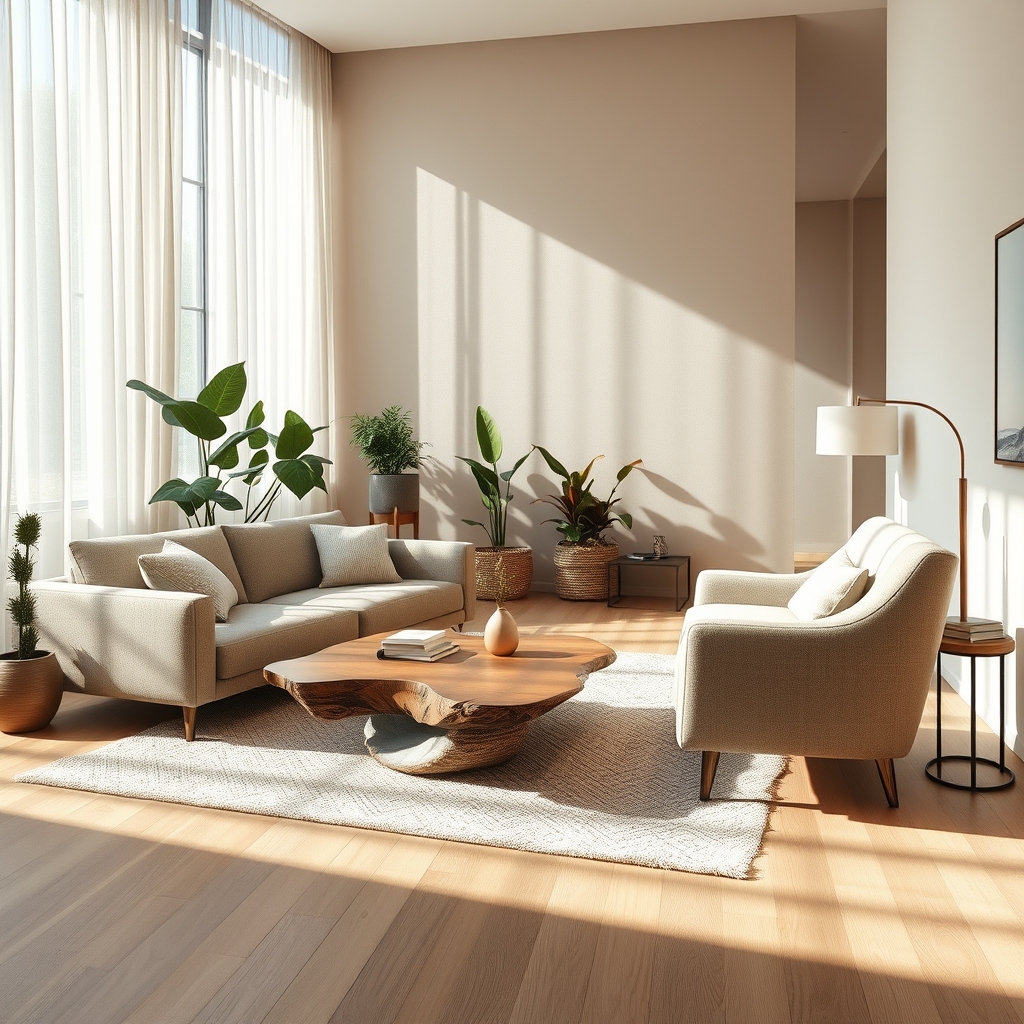
Imagine stepping into a room that instantly makes you feel lighter, as if the air itself carries a sense of calm. The colors, the textures, even the way the light filters through the space seem to align with your mood before you’ve even had a chance to process it. This isn’t magic—it’s the subtle, yet profound, power of psychological space optimization. A discipline that goes beyond aesthetics to shape how we feel, think, and interact within our environments, it’s the invisible force that turns a house into a home and a room into a sanctuary.
The Science Behind the Silence
At its core, psychological space optimization is rooted in the understanding that our surroundings influence our mental and emotional states. Research in environmental psychology has long demonstrated that factors like lighting, spatial layout, and even the presence of natural elements can significantly impact our mood, productivity, and overall well-being. For instance, studies have shown that rooms with ample natural light can reduce stress and improve cognitive function, while cluttered spaces often lead to feelings of anxiety and overwhelm. But psychological space optimization takes this a step further by intentionally designing environments that not only avoid negative triggers but actively promote positive emotional responses.
One of the key principles of this approach is the concept of spatial flow. This refers to how the arrangement of furniture, pathways, and functional zones within a room can either facilitate or hinder movement and interaction. A well-optimized space encourages effortless navigation, reducing subconscious friction and allowing occupants to focus on what truly matters—whether that’s relaxation, creativity, or connection. For example, an open-plan living area with strategically placed seating can foster conversation and togetherness, while a cozy nook tucked away in a corner might serve as a retreat for solitude and reflection.
The Role of Sensory Engagement
Psychological space optimization isn’t just about what we see; it’s about how a space engages all our senses. The textures underfoot, the scent lingering in the air, the sound of a distant fountain or the hum of a well-placed speaker—each of these elements plays a role in shaping our experience of a room. Biophilic design, which integrates natural elements into interior spaces, is a perfect example of this multi-sensory approach. The sight of greenery, the sound of water, or the feel of wood underhand can evoke a sense of tranquility and connection to nature, even in the heart of a bustling city.
But sensory engagement isn’t just about adding pleasant stimuli; it’s also about eliminating negative ones. Harsh lighting, uncomfortable temperatures, or even the subtle hum of an air conditioner can disrupt our sense of comfort and focus. Psychological space optimization seeks to create a harmonious balance, where every sensory input is carefully considered to support the intended emotional and functional outcomes of the space. For instance, a bedroom designed for rest might incorporate blackout curtains, sound-absorbing materials, and a palette of soft, muted colors to create an environment conducive to sleep.
Personalization: The Heart of Emotional Resonance
No two people experience a space in exactly the same way. What feels like a cozy retreat to one person might feel claustrophobic to another. This is where personalization becomes crucial in psychological space optimization. By tailoring a space to the unique preferences, habits, and emotional needs of its occupants, designers can create environments that truly resonate on a deeper level. This might involve incorporating cherished mementos, favorite colors, or even customizing the layout to accommodate specific routines—like a dedicated workspace for a remote worker or a play area for a family with young children.
Technology is playing an increasingly important role in this personalization process. Smart home systems, for example, can adjust lighting, temperature, and even music based on the time of day or the preferences of the occupants. Digital twin interior modeling takes this a step further by allowing designers to create virtual replicas of a space, enabling them to experiment with different layouts, materials, and sensory elements before making any physical changes. This not only ensures a more precise and personalized outcome but also empowers homeowners to be active participants in the design process, fostering a deeper connection to their space.
The Future of Adaptive Living
As our lives become more dynamic and our needs more fluid, the demand for spaces that can adapt to these changes is growing. Psychological space optimization is at the forefront of this evolution, offering solutions that are as flexible as they are emotionally resonant. Modular furniture, for example, allows a single room to serve multiple purposes—transforming from a home office by day to a guest bedroom by night. Similarly, movable partitions and sliding doors can reconfigure a space in moments, accommodating everything from intimate gatherings to large social events.
But perhaps the most exciting development in this field is the integration of artificial intelligence and machine learning. Imagine a home that learns your habits and preferences over time, subtly adjusting its environment to better suit your needs. A space that dims the lights when it senses you’re winding down for the evening or plays your favorite playlist when you walk through the door. These aren’t just futuristic fantasies; they’re the next frontier of psychological space optimization, where technology and human-centric design converge to create living environments that are not just functional, but truly alive.
In a world where our external environments are often chaotic and unpredictable, the spaces we call home should be our sanctuaries—places that nurture our well-being and reflect who we are. Psychological space optimization offers a roadmap to creating these kinds of environments, where every detail is thoughtfully considered to support our emotional and mental health. It’s not about following trends or adhering to rigid design rules; it’s about crafting spaces that feel like an extension of ourselves, where every corner holds the potential to inspire, comfort, and uplift. And in doing so, it reminds us that the most powerful designs aren’t the ones we see, but the ones we feel.



