
The Pulse of Place: How Sensory Interior Environments Shape Our Daily Rhythms
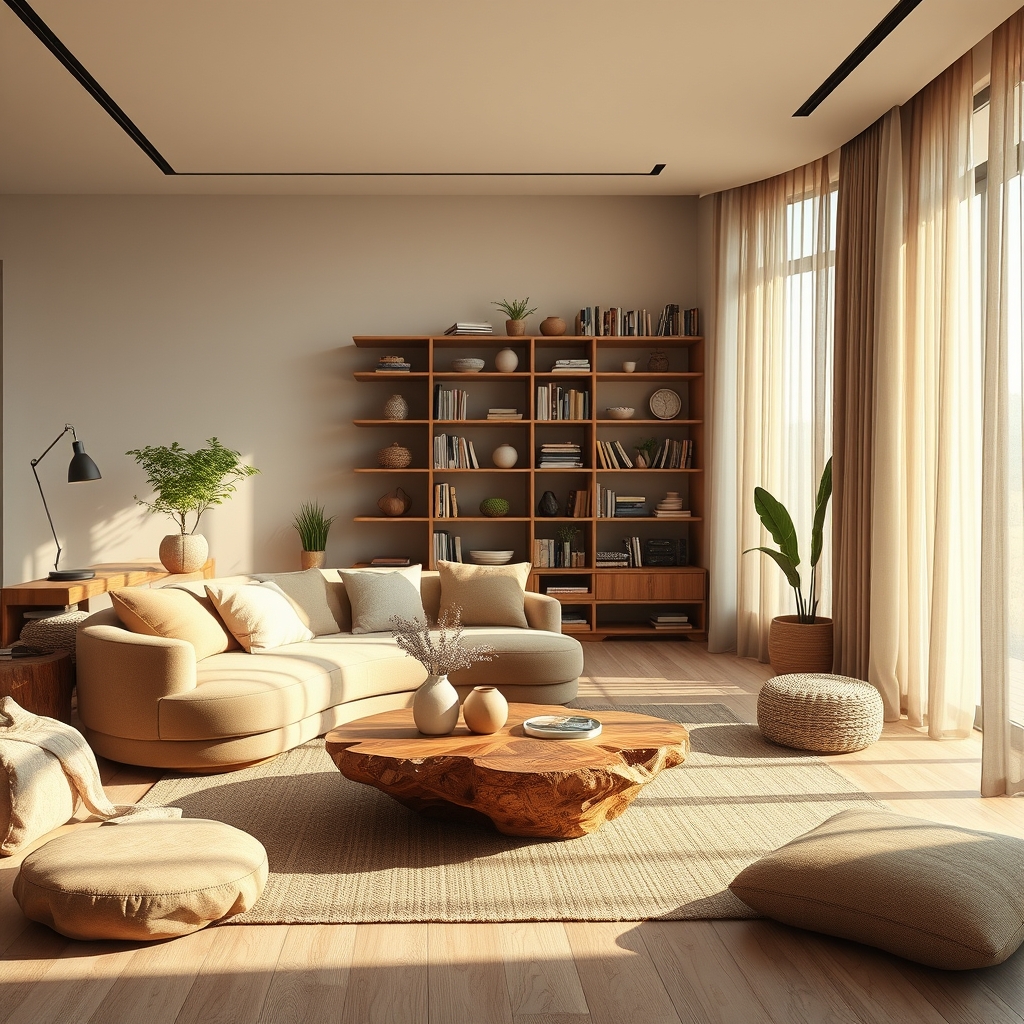
Imagine stepping into a room where the air hums with a quiet energy, where textures invite touch, and light dances in ways that soothe the mind. This is the power of sensory interior environments—a design philosophy that moves beyond aesthetics to engage the full spectrum of human perception. In a world increasingly dominated by screens and digital noise, these spaces offer a sanctuary where every element is intentionally crafted to nourish the senses, regulate emotions, and restore balance to our daily lives.
The Science of Sensory Engagement
Our brains are wired to respond to environmental cues in profound ways. Studies in environmental psychology reveal that sensory-rich spaces can lower stress hormones, enhance cognitive function, and even improve sleep quality. For instance, the soft glow of warm lighting in the evening signals the body to wind down, while the scent of lavender or cedar can evoke feelings of calm. Designers leveraging this knowledge are creating interiors that act as silent therapists, subtly guiding occupants toward well-being without them even realizing it.
Take the concept of tactile diversity, for example. A room that incorporates a mix of smooth stone, plush wool, and rough-hewn wood doesn’t just look visually appealing—it invites exploration. The contrast in textures stimulates the brain, keeping it engaged and preventing the monotony that often leads to mental fatigue. Similarly, the strategic use of sound-absorbing materials can transform a chaotic open-plan space into a haven of acoustic comfort, where conversations flow effortlessly and focus deepens.
Light as a Living Element
Light is perhaps the most dynamic tool in the sensory designer’s arsenal. Unlike static decor, lighting can shift with the time of day, the season, or even the mood of the occupants. Dynamic lighting systems, which adjust color temperature and intensity, mimic the natural progression of daylight, helping to regulate circadian rhythms. In the morning, cool, bright light energizes; by evening, warmer tones signal the body to relax.
But it’s not just about function—light can also be an artistic medium. Consider the play of shadows cast by a sculptural pendant light or the way sunlight filters through a perforated screen, creating ever-changing patterns on the walls. These moments of beauty elevate a space from merely functional to deeply evocative, turning the act of being indoors into an experience akin to witnessing a living installation.
Scent and Memory: The Invisible Layer
While sight and touch are often the focus of interior design, scent is the unsung hero of sensory environments. Our olfactory system is directly linked to the limbic system, the part of the brain responsible for memory and emotion. A carefully chosen fragrance—whether it’s the crispness of eucalyptus in a bathroom or the earthy aroma of aged wood in a library—can transport us to another time and place, evoking nostalgia or tranquility.
Designers are increasingly collaborating with scent experts to integrate subtle, non-intrusive aromas into spaces. Diffusers hidden within ventilation systems, scented woods, or even fresh herbs planted in indoor gardens can infuse a room with a signature fragrance that becomes part of its identity. The key is subtlety; the goal isn’t to overpower but to create a gentle, lingering presence that enhances the overall atmosphere.
Designing for the Unseen Senses
Sensory design isn’t limited to what we can see, touch, or smell—it also encompasses the less tangible aspects of a space. Temperature, for instance, plays a crucial role in comfort. A room that’s too cold can feel unwelcoming, while one that’s too warm may induce lethargy. Smart climate control systems that adapt to occupancy and preferences ensure that a space always feels just right.
Even the sense of balance and movement can be engaged through design. Curved furniture, asymmetrical layouts, and varying ceiling heights create a subconscious sense of dynamism, encouraging the body to move and explore. In contrast, overly rigid or symmetrical spaces can feel static and uninspiring. The best sensory environments strike a balance between order and spontaneity, offering both structure and freedom.
The Role of Personalization
No two people experience a space in exactly the same way. What feels cozy to one person might feel claustrophobic to another; a scent that evokes comfort for one might trigger discomfort for someone else. This is where the concept of adaptive sensory design comes into play. By incorporating customizable elements—adjustable lighting, modular furniture, or scent diffusers with multiple settings—designers can create spaces that evolve with their occupants’ needs.
Technology is playing a growing role in this personalization. Smart home systems can learn an individual’s preferences over time, automatically adjusting lighting, temperature, and even soundscapes to suit their mood or activity. For example, a morning routine might trigger bright, energizing light and upbeat music, while a bedtime setting could dim the lights, lower the temperature, and play a soothing soundscape of ocean waves.
Crafting Spaces That Breathe
The most successful sensory environments are those that feel alive. They respond to the rhythms of the day, the seasons, and the people who inhabit them. A well-designed space doesn’t just look beautiful—it feels alive, pulsing with a quiet energy that draws you in and makes you want to stay. It’s a place where you can pause, breathe, and reconnect with yourself.
In an era where our lives are increasingly fragmented and fast-paced, these environments offer a counterbalance—a reminder that our surroundings should nourish us, not just shelter us. They invite us to slow down, to engage with the world around us, and to rediscover the joy of simply being present. Whether it’s the warmth of sunlight on your skin, the softness of a well-worn rug underfoot, or the faint scent of rain through an open window, these moments of sensory richness are what transform a house into a home. And in a world that often feels disconnected, that’s a gift worth designing for.



