Emotionally Intelligent Spaces: How Human-Centric Design is Redefining Modern Living
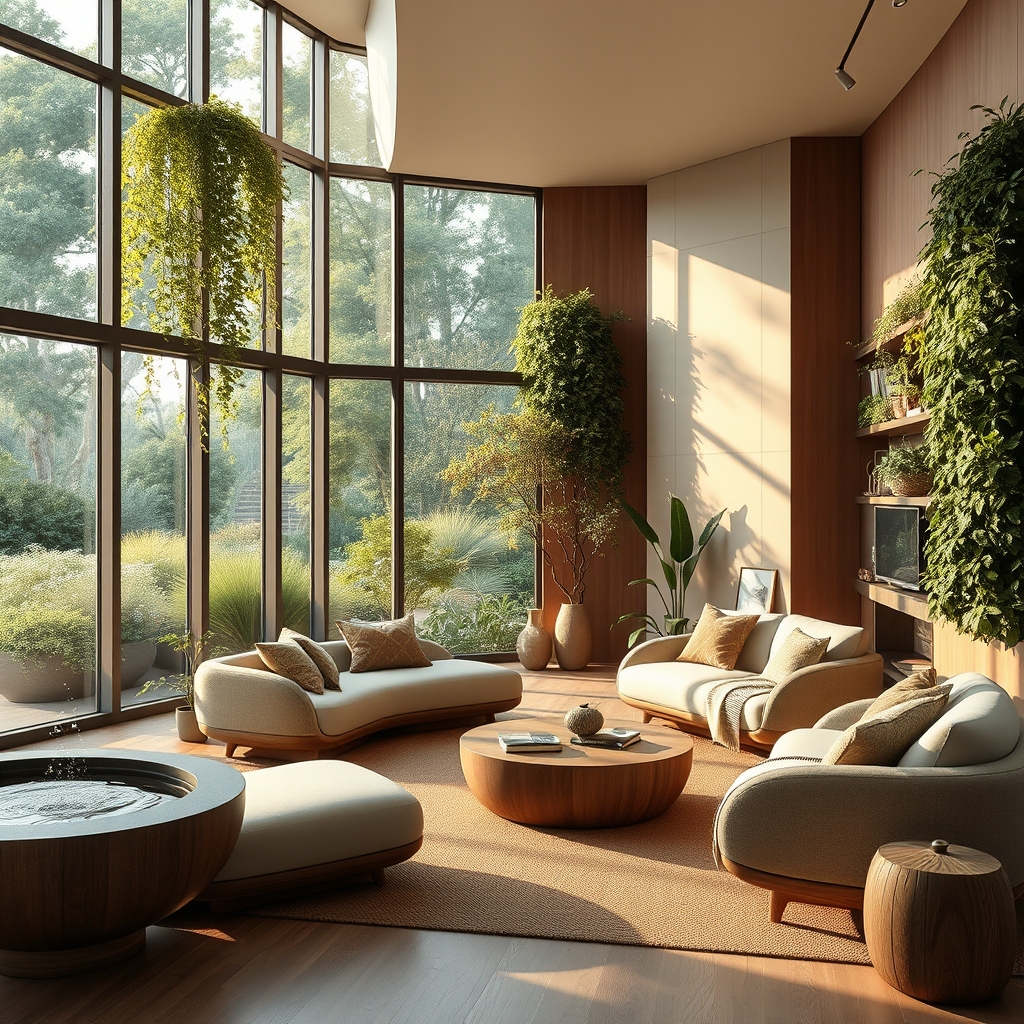
In an era where our lives are increasingly intertwined with technology, the spaces we inhabit are evolving beyond mere functionality. Modern home design is no longer just about aesthetics or efficiency—it’s about creating environments that understand, adapt to, and nurture the emotional and psychological needs of those who live within them. This shift toward emotionally intelligent spaces is redefining what it means to design a home, blending human-centric architecture with adaptive living solutions to craft environments that feel as alive as the people who occupy them.
The Psychology Behind Emotionally Intelligent Spaces
At the heart of emotionally intelligent design lies the understanding that our surroundings profoundly impact our mood, productivity, and overall well-being. Research in psychological space optimization reveals that factors such as lighting, color, texture, and spatial layout can either elevate or diminish our emotional state. For instance, warm, diffused lighting can evoke feelings of comfort and relaxation, while harsh, overhead lighting may induce stress. Similarly, the strategic use of natural materials like wood and stone can create a sense of grounding, whereas cold, industrial surfaces might feel sterile and unwelcoming.
Designers are now leveraging these insights to create spaces that don’t just look good but feel good. This involves a deep dive into the sensory interior environments that engage all five senses—sight, sound, touch, smell, and even taste—to craft a holistic experience. Imagine walking into a living room where the scent of lavender subtly permeates the air, the textures of linen and wool invite touch, and the sound of a gentle water feature creates a soothing ambiance. These elements work in harmony to create an environment that doesn’t just house life but enhances it.
Adaptive Living: Spaces That Evolve With You
One of the most exciting developments in modern home design is the rise of adaptive living spaces—environments that evolve in response to the changing needs and emotions of their inhabitants. Unlike static designs of the past, these spaces are dynamic, flexible, and responsive. For example, a home office might transform into a meditation space with the touch of a button, adjusting lighting, sound, and even scent to suit the desired mood. Smart home technologies play a crucial role here, enabling spaces to learn from user behavior and adapt accordingly.
This adaptability extends beyond functionality. Emotionally intelligent spaces are designed to support the ebb and flow of daily life, whether it’s a quiet corner for reflection after a long day or an open, airy layout that fosters connection during social gatherings. The goal is to create environments that don’t just accommodate life but actively participate in it, offering support and solace when needed and celebration when called for.
The Role of Biophilic Design in Emotional Well-Being
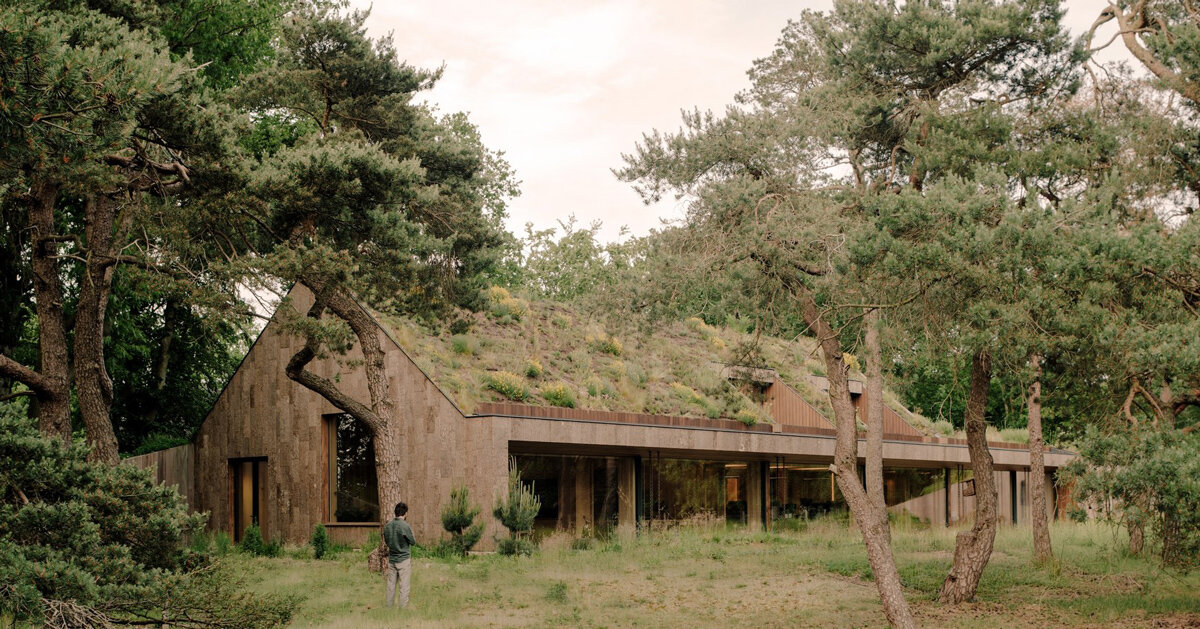
No discussion of emotionally intelligent spaces would be complete without addressing the role of biophilic design integration. Humans have an innate connection to nature, and incorporating natural elements into our living spaces can have a profound impact on our emotional well-being. Biophilic design goes beyond simply adding plants to a room—it’s about creating a seamless connection between the indoors and the natural world. This can be achieved through the use of natural materials, organic shapes, and even digital representations of nature, such as dynamic wall art that mimics the movement of leaves or water.
Studies have shown that biophilic design can reduce stress, improve cognitive function, and enhance creativity. In emotionally intelligent spaces, this connection to nature is not just an afterthought but a foundational element. Whether it’s a living green wall in the living room, a courtyard garden visible from every room, or large windows that frame a view of the outdoors, these design choices help to create a sense of calm and balance in our fast-paced lives.
Personalization: The Key to Emotional Resonance
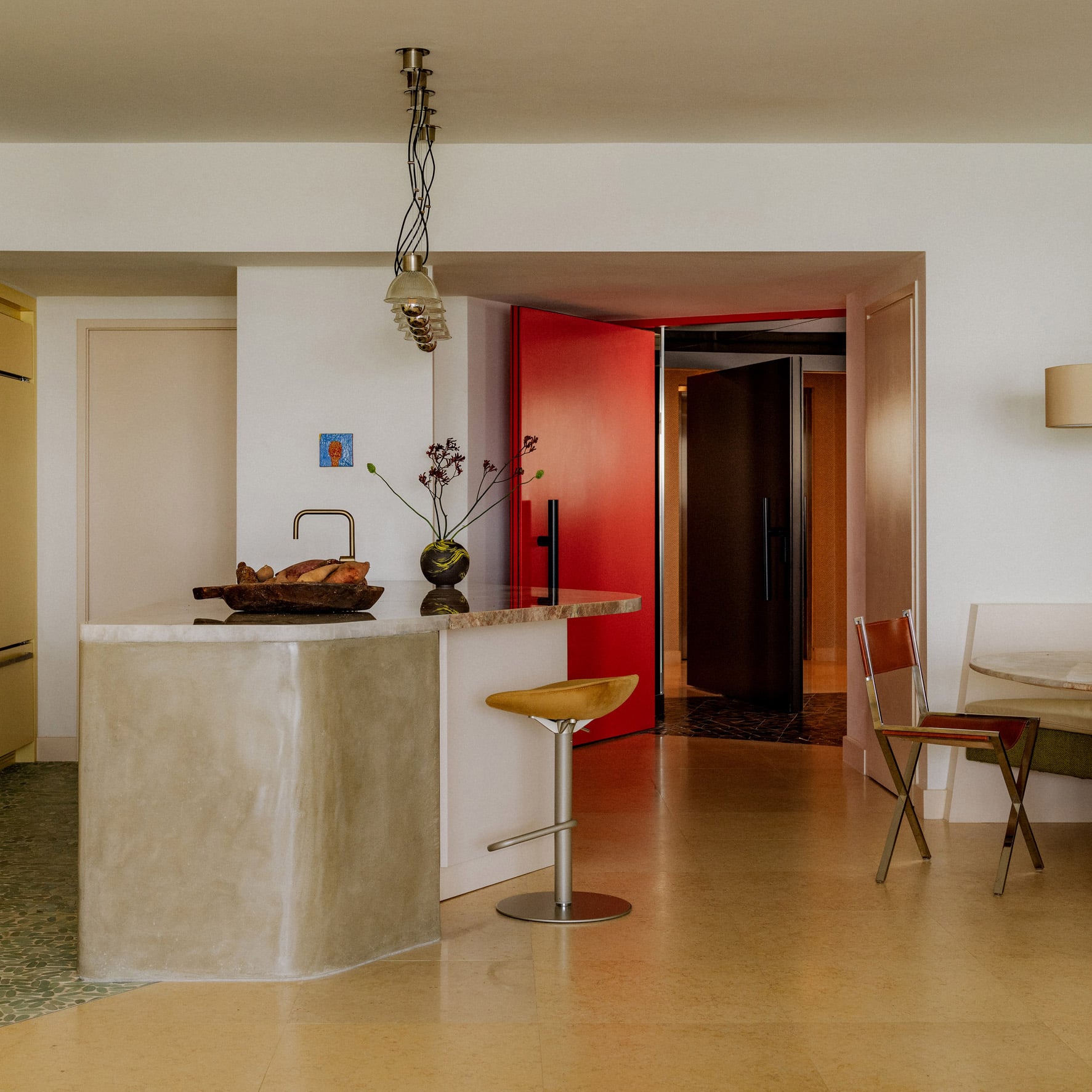
While principles like biophilic design and sensory engagement are universal, the true magic of emotionally intelligent spaces lies in their ability to be deeply personal. Personalized interior concepts ensure that a home reflects the unique identity, values, and lifestyle of its inhabitants. This might mean incorporating heirloom furniture that tells a family’s story, designing a reading nook tailored to an individual’s favorite pastime, or using color palettes that evoke cherished memories.
In the past, personalization often came at the expense of cohesion, leading to spaces that felt cluttered or disjointed. Today, however, designers are finding innovative ways to blend personal touches with thoughtful, intentional design. The result is a home that feels both uniquely yours and harmoniously balanced. This level of personalization is made possible by advances in interactive interior planning and digital twin interior modeling, which allow designers and homeowners to experiment with layouts, materials, and aesthetics in a virtual space before making any physical changes.
The Future of Emotionally Intelligent Design
As technology continues to advance, the possibilities for emotionally intelligent spaces are expanding. Imagine a home that not only adapts to your schedule but also senses your emotional state through subtle cues—adjusting lighting, temperature, and even music to match your mood. Or a space that grows and evolves alongside you, with modular furniture and flexible layouts that can be reconfigured as your needs change. The future of home design is not just about creating beautiful spaces but about crafting environments that understand and respond to the complexities of human emotion.
This evolution also brings with it a responsibility to design with intention and empathy. As we blur the lines between technology and humanity, it’s essential to ensure that our living spaces remain grounded in what truly matters: connection, comfort, and well-being. The homes of the future will not be defined by their smart gadgets or sleek aesthetics but by their ability to foster a deeper, more meaningful relationship between people and their environments. In this way, emotionally intelligent spaces are not just a trend but a fundamental shift in how we think about the places we call home.
As we continue to explore the intersection of design and emotion, one thing is clear: the spaces we create have the power to shape our lives in profound ways. By embracing the principles of human-centric design, we can craft homes that don’t just shelter us but inspire, nurture, and uplift us—every single day.