
Adaptive Living Spaces: The Intersection of Technology and Human-Centric Design in Modern Homes
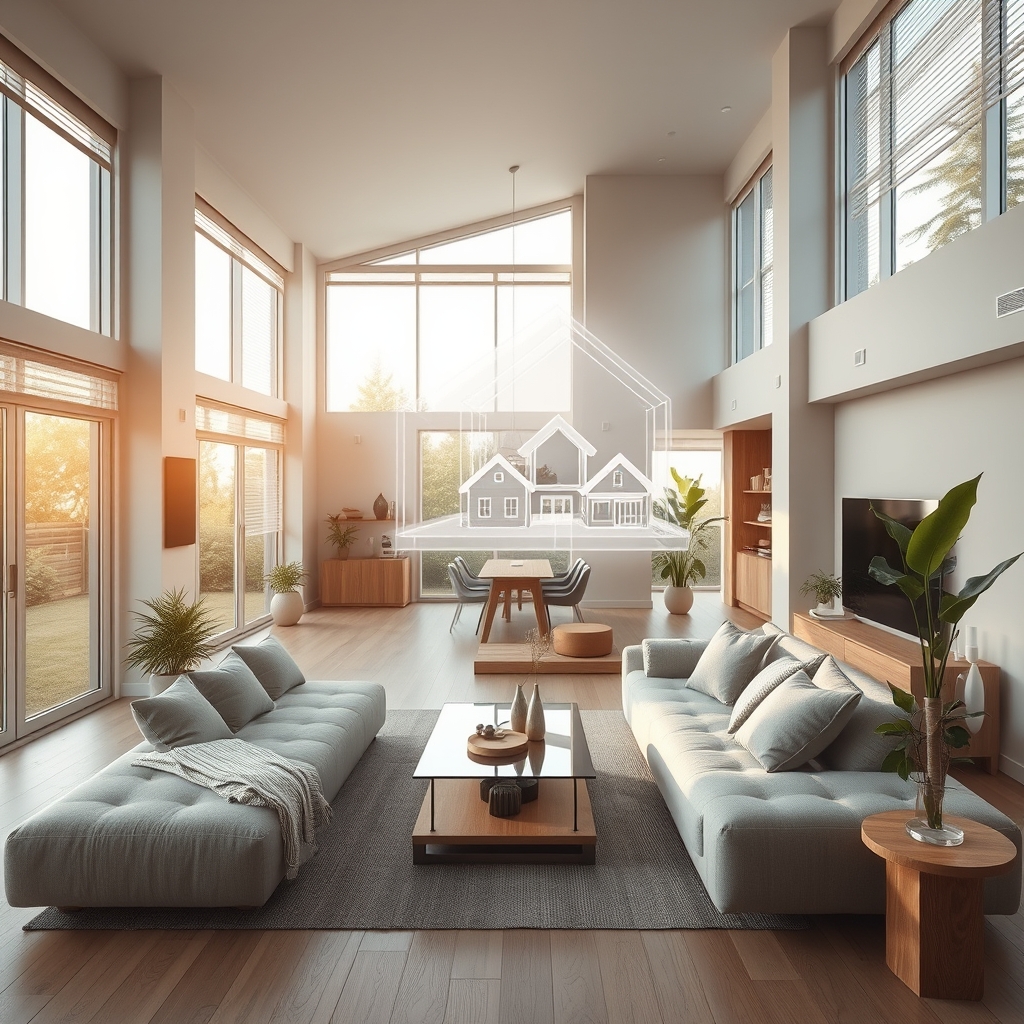
In an era where the boundaries between technology and daily life are increasingly blurred, the concept of adaptive living spaces has emerged as a transformative force in modern home design. These spaces are not merely static environments but dynamic ecosystems that respond to the needs, emotions, and behaviors of their inhabitants. By integrating smart technology with human-centric architecture, adaptive living spaces are redefining what it means to live comfortably, sustainably, and intuitively in the 21st century.
The Philosophy Behind Adaptive Living
At the heart of adaptive living spaces lies a deep understanding of human behavior and the desire to create environments that evolve alongside their occupants. Unlike traditional home design, which often prioritizes aesthetics or functionality in isolation, adaptive living spaces are rooted in the principle of responsive design. This approach considers how spaces can be tailored to support the physical, emotional, and psychological well-being of individuals, whether through flexible layouts, intelligent automation, or sensory-rich environments.
For instance, imagine a home that adjusts its lighting, temperature, and even scent based on the time of day or the mood of its occupants. Such a space doesn’t just cater to basic needs—it anticipates them, creating an atmosphere that feels inherently personal and nurturing. This level of customization is made possible by advancements in smart home technology, but its true power lies in its ability to foster a deeper connection between people and their living environments.
The Role of Technology in Adaptive Spaces
Technology is the backbone of adaptive living spaces, enabling homes to become more intuitive and responsive. Smart sensors, AI-driven systems, and IoT (Internet of Things) devices work in tandem to collect data on occupancy, movement, and preferences, allowing the home to adapt in real time. For example, a smart thermostat might learn an individual’s temperature preferences over time and adjust settings automatically, while motion-activated lighting can enhance safety and energy efficiency by illuminating pathways only when needed.
Beyond practical applications, technology also plays a crucial role in enhancing the sensory experience of a home. Interactive interior planning tools, such as augmented reality (AR) and virtual reality (VR), allow homeowners to visualize and customize their spaces before any physical changes are made. These tools democratize design, empowering individuals to experiment with layouts, materials, and color schemes in a risk-free digital environment. Meanwhile, digital twin interior modeling—where a virtual replica of a home is created—enables precise simulations of how a space will function under different conditions, from natural light patterns to airflow dynamics.
Sustainability and Adaptive Living
Adaptive living spaces are inherently sustainable, as they prioritize efficiency and resource conservation. By integrating smart technology, homes can optimize energy usage, reduce waste, and even generate their own power through renewable sources like solar panels or geothermal systems. For example, adaptive shading systems can adjust based on the position of the sun, reducing the need for artificial cooling while maximizing natural light. Similarly, water-saving fixtures and greywater recycling systems can minimize waste without compromising comfort.
Moreover, the emphasis on conscious material selection ensures that adaptive living spaces are not only eco-friendly but also health-conscious. Non-toxic, locally sourced, and recycled materials are increasingly favored, as they reduce the environmental footprint of a home while promoting indoor air quality. Biophilic design elements, such as indoor plants, natural textures, and water features, further enhance sustainability by fostering a connection to nature, which has been shown to improve mental well-being and productivity.
Designing for Emotional Resonance
While technology and sustainability are critical components of adaptive living spaces, the most impactful designs are those that resonate emotionally with their inhabitants. Emotionally resonant interiors go beyond aesthetics to create environments that evoke feelings of comfort, security, and inspiration. This is achieved through a combination of thoughtful layout, personalized decor, and sensory engagement.
For example, a living room designed for relaxation might incorporate soft, tactile fabrics, warm lighting, and soothing color palettes to create a calming atmosphere. In contrast, a workspace could be optimized for focus with ergonomic furniture, adjustable lighting, and minimal distractions. The key is to design spaces that align with the psychological and emotional needs of the occupants, whether that means fostering creativity, promoting rest, or encouraging social interaction.
The Future of Co-Creative Design
The rise of adaptive living spaces has also given birth to a new era of co-creative design processes, where homeowners, architects, and designers collaborate to craft bespoke residential environments. This approach recognizes that the best designs are not imposed but co-created, with input from all stakeholders. Tools like AI-driven design assistants and interactive planning platforms facilitate this collaboration, allowing for real-time feedback and iteration.
Co-creative design also extends to the customization of smart home experiences. For instance, homeowners can work with designers to program their smart systems to reflect their unique routines and preferences. Whether it’s setting up automated morning rituals, creating mood-based lighting scenes, or integrating voice-controlled assistants, the goal is to make technology feel like a natural extension of daily life rather than an intrusive presence.
Challenges and Considerations
Despite the many benefits of adaptive living spaces, there are challenges to consider, particularly around privacy and data security. Smart homes rely on vast amounts of personal data to function effectively, raising concerns about how this information is stored, used, and protected. Designers and technologists must prioritize transparency and security to ensure that adaptive living spaces remain safe and trustworthy.
Another consideration is the potential for technology to overwhelm rather than enhance the living experience. While smart systems can automate many aspects of home life, they should never replace the human touch. The most successful adaptive living spaces strike a balance between automation and manual control, allowing occupants to engage with their environment in a way that feels natural and empowering.
As we look to the future, adaptive living spaces represent a paradigm shift in how we conceive of home design. They challenge us to think beyond static structures and instead imagine homes that are alive, responsive, and deeply attuned to the needs of their inhabitants. By blending technology, sustainability, and emotional intelligence, these spaces offer a glimpse into a future where our homes are not just places we live in, but partners in our daily lives, evolving with us to create environments that are as dynamic and unique as we are.



