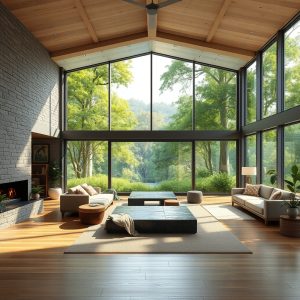
Biophilic Design Integration: Crafting Homes That Nurture the Human Spirit Through Nature
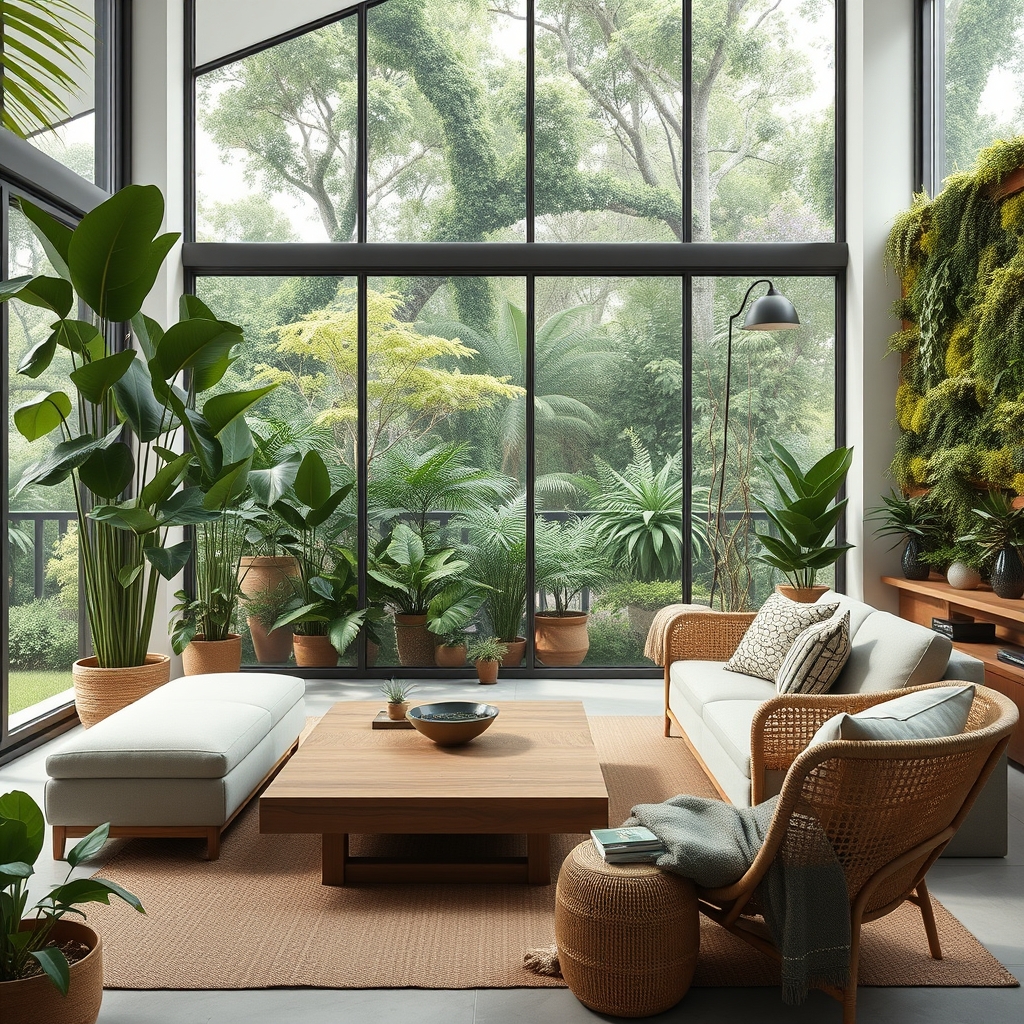
In an era where urbanization dominates and digital screens command our attention, the intrinsic human need for connection with nature has never been more vital. Biophilic design integration transcends the mere addition of plants or natural materials into a space; it is a profound philosophy that seeks to weave the essence of the natural world into the very fabric of our living environments. This approach to interior design does not just create aesthetically pleasing spaces—it fosters well-being, enhances creativity, and nurtures the human spirit by reconnecting us with the rhythms and textures of the earth.
The Science Behind Biophilic Design
Biophilia, a term popularized by biologist Edward O. Wilson, refers to the innate human affinity for nature. Research in environmental psychology and neuroscience has demonstrated that exposure to natural elements—whether through direct interaction, such as sunlight and fresh air, or indirect experiences, like images of landscapes or natural materials—can significantly reduce stress, improve cognitive function, and elevate mood. A study published in the Journal of Environmental Psychology found that individuals working in environments with natural elements reported a 15% increase in well-being and creativity compared to those in sterile, artificial settings.
Biophilic design leverages these findings by intentionally incorporating nature into the built environment. This can be achieved through a variety of strategies, including the use of natural light, organic materials, water features, and even the strategic placement of indoor plants. The goal is to create spaces that not only look beautiful but also feel alive, dynamic, and restorative.
Core Principles of Biophilic Design Integration
Direct Experience of Nature
Direct experiences involve tangible interactions with natural elements within a space. This can include large windows that frame views of gardens or landscapes, indoor water features like fountains or aquariums, and the use of natural ventilation to bring in fresh air. Even the inclusion of fireplaces or wood-burning stoves can evoke the primal comfort of a campfire, creating a sense of warmth and security. These elements do more than just decorate a room—they engage the senses and create a multisensory experience that grounds us in the present moment.
Indirect Experience of Nature
When direct access to nature is limited, indirect experiences can bridge the gap. This might involve the use of natural materials such as wood, stone, or bamboo, which bring texture and warmth to a space. Artwork depicting natural scenes, nature-inspired color palettes, and even the use of fractal patterns—repeating geometric shapes found in nature—can evoke a sense of calm and connection. Additionally, the incorporation of natural sounds, such as recordings of birdsong or flowing water, can enhance the auditory experience of a space, making it feel more alive and immersive.
Space and Place Conditions
Biophilic design also considers the spatial configuration of a room to mimic the qualities of natural environments. This includes creating spaces that offer refuge and prospect—areas where one can feel both protected and connected to the broader environment. For example, a cozy reading nook with a view of the outdoors combines the comfort of enclosure with the expansiveness of nature. The use of varying ceiling heights, open floor plans, and transitional spaces that blur the boundaries between indoors and outdoors can further enhance this effect, making a home feel like a seamless extension of the natural world.
Biophilic Design in Practice: Transforming Everyday Spaces
Integrating biophilic design into a home does not require a complete overhaul. Small, thoughtful changes can make a significant impact. Start by maximizing natural light—replace heavy drapes with sheer fabrics, use mirrors to reflect light, and position furniture to take advantage of views. Introduce indoor plants, choosing varieties that thrive in your specific environment, such as snake plants for low-light areas or ferns for humid spaces. Consider incorporating a living wall or vertical garden, which not only adds visual interest but also improves air quality.
Materials play a crucial role in biophilic design. Opt for sustainably sourced wood, stone, or cork for flooring and furniture. Textiles made from natural fibers like linen, wool, or cotton can add warmth and texture to a room. Even the scent of a space can be enhanced with essential oil diffusers or natural potpourri, evoking the calming aromas of a forest or meadow.
The Role of Technology in Biophilic Design
While biophilic design emphasizes a return to nature, technology can play a supportive role in enhancing the experience. Smart lighting systems can mimic the natural progression of daylight, adjusting color temperature and intensity throughout the day to align with our circadian rhythms. Automated shading systems can regulate sunlight, reducing glare while maximizing natural light. Even virtual reality can be used to simulate natural environments in spaces where physical access to nature is limited, such as urban apartments or offices.
Beyond Aesthetics: The Emotional and Psychological Benefits
The true power of biophilic design lies in its ability to transform not just the look of a space, but how it makes us feel. Homes designed with biophilic principles in mind become sanctuaries—places where we can retreat from the chaos of the outside world and reconnect with ourselves. The presence of natural elements has been shown to lower cortisol levels, reduce anxiety, and even improve sleep quality. For children, exposure to nature-inspired environments can enhance focus and cognitive development, while for the elderly, it can provide a sense of comfort and tranquility.
Moreover, biophilic design fosters a deeper sense of stewardship for the environment. When we surround ourselves with natural materials and elements, we become more attuned to the rhythms of the earth and more mindful of our impact on it. This consciousness can extend beyond the home, influencing our choices in consumption, waste, and even how we interact with our communities.
As we navigate an increasingly complex and fast-paced world, the homes we create must serve as more than just shelters—they must be havens that nourish our bodies, minds, and souls. Biophilic design integration offers a path to achieving this, blending the wisdom of nature with the innovation of modern living. By embracing this approach, we do not just design spaces; we cultivate environments that breathe life into our daily existence, reminding us of the profound connection between humanity and the natural world that sustains us.