
The Art of Fluid Living: Designing Modern Homes for Flexibility and Flow
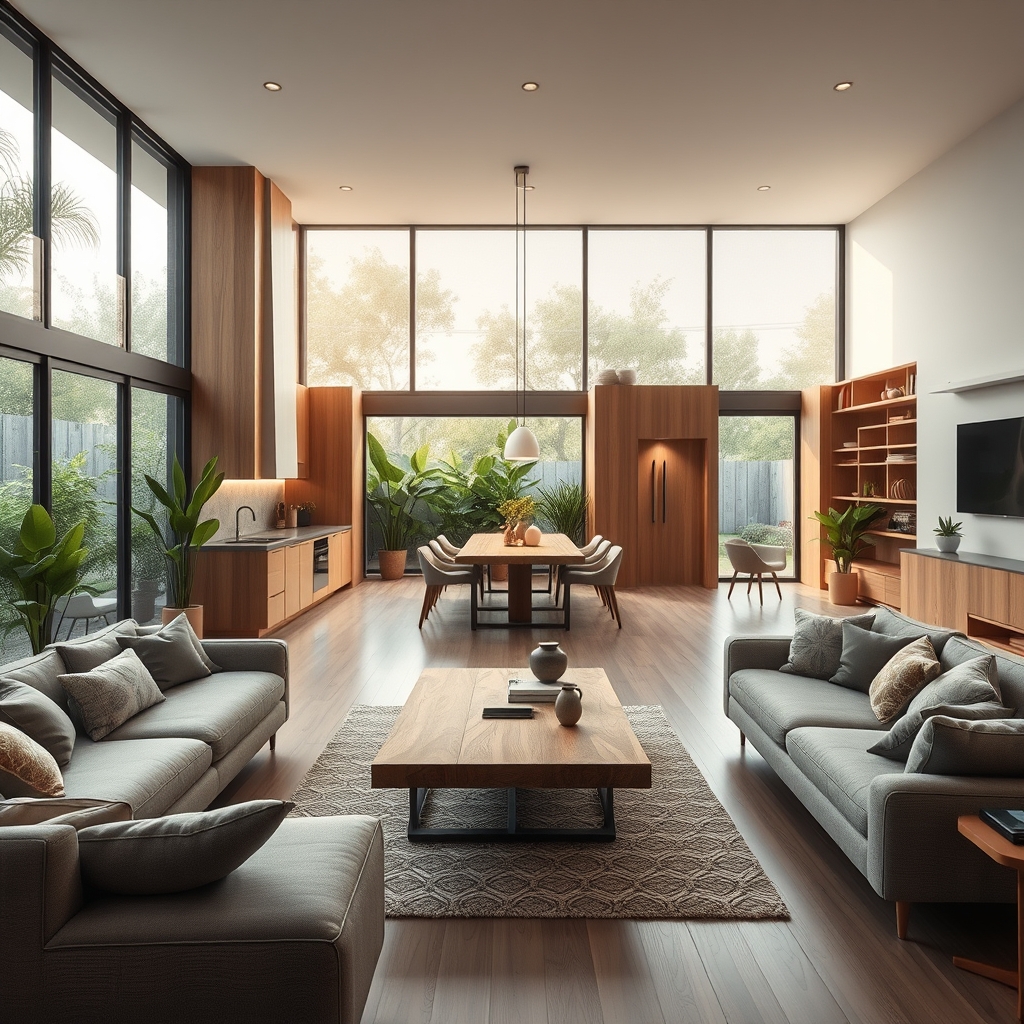
Modern home design is no longer just about aesthetics or following the latest trends—it’s about creating spaces that adapt to the rhythm of life. The concept of fluid living has emerged as a defining principle, where homes are designed to evolve with the needs of their inhabitants, seamlessly blending flexibility, functionality, and beauty. This approach transcends traditional room divisions, embracing open layouts, modular furniture, and smart technology to craft environments that feel both dynamic and harmonious.
The Philosophy of Fluid Living
At its core, fluid living is about breaking down barriers—both physical and psychological. It challenges the conventional idea of fixed rooms with singular purposes and instead encourages spaces that can serve multiple functions. A living room that transforms into a home office, a kitchen island that doubles as a dining table, or a guest room that converts into a yoga studio are all examples of how fluid design can maximize utility without sacrificing style. This philosophy is particularly relevant in today’s world, where remote work, multi-generational living, and the desire for versatile spaces have become the norm.
Open Concept Living Reimagined
Open concept living has been a staple of modern home design for decades, but the next evolution of this trend is all about subtlety and intentionality. Rather than simply removing walls, designers are now focusing on creating distinct zones within open spaces through strategic furniture placement, lighting, and material choices. For example, a kitchen might flow into a living area, but the use of a statement rug, a change in flooring material, or a well-placed bookshelf can create a visual separation that defines each space without closing it off. This approach maintains the airy, spacious feel of open concept living while adding layers of functionality and warmth.
Modular Furniture: The Backbone of Flexibility
Modular furniture is a game-changer in fluid living design. Pieces that can be reconfigured, expanded, or tucked away as needed allow homeowners to adapt their spaces on the fly. Think of a sofa that can be split into individual chairs, a dining table that extends to accommodate guests, or shelving units that can be rearranged to suit changing storage needs. Brands like IKEA, Resource Furniture, and BDI have pioneered this movement, offering innovative solutions that cater to small spaces and large homes alike. The beauty of modular furniture lies in its ability to grow and change with the user, making it a sustainable and cost-effective choice for modern living.
Smart Technology: The Invisible Thread
No discussion of modern home design would be complete without addressing the role of smart technology. In fluid living spaces, technology acts as the invisible thread that ties everything together, enhancing convenience, efficiency, and comfort. Smart thermostats like Nest or Ecobee learn your preferences and adjust temperatures automatically, while voice-activated assistants like Alexa or Google Home allow you to control lighting, music, and even window shades with a simple command. For those who work from home, smart desks with built-in charging stations and adjustable heights can transform a corner of the living room into a productive workspace in seconds.
Integrating Tech Without Sacrificing Aesthetics
The key to successfully integrating smart technology into a fluid living space is to ensure it complements the design rather than overpowering it. Hidden wiring, built-in speakers, and discreet control panels help maintain a clean, uncluttered look. For example, motorized window treatments can be programmed to open and close at specific times of day, enhancing natural light while eliminating the need for bulky cords or manual operation. Similarly, smart lighting systems like Philips Hue or Lutron can be customized to create different moods—whether it’s a warm, inviting glow for a dinner party or a bright, focused light for reading—all while blending seamlessly into the home’s aesthetic.
Sustainability Meets Fluidity
Sustainability is another cornerstone of modern home design, and it aligns perfectly with the principles of fluid living. Eco-friendly materials, energy-efficient appliances, and sustainable building practices not only reduce a home’s environmental footprint but also contribute to a healthier, more adaptable living space. For instance, reclaimed wood, bamboo flooring, and recycled metal fixtures add character and warmth to a home while minimizing waste. Solar panels and energy-efficient windows can reduce utility costs, freeing up resources that can be reinvested into other aspects of the home’s design.
Creating a Connection to Nature
Biophilic design, which seeks to incorporate natural elements into the built environment, is another trend that complements fluid living. Large windows that frame outdoor views, indoor plants, and natural materials like stone and wood can create a sense of calm and connection to the outdoors. This approach not only enhances well-being but also blurs the line between indoor and outdoor spaces, making the home feel more expansive and integrated with its surroundings. For those with outdoor areas, sliding glass doors or retractable walls can extend the living space into the garden or patio, creating a seamless transition between inside and out.
The Role of Custom Home Builders
For homeowners looking to fully embrace fluid living, working with a custom home builder can be a transformative experience. Unlike traditional builders who follow rigid plans, custom builders collaborate with clients to design homes that reflect their unique lifestyles and needs. This might involve creating multi-functional rooms, incorporating smart home technology from the ground up, or using sustainable materials that align with the homeowner’s values. Custom builders also have the expertise to navigate zoning laws, structural challenges, and design complexities, ensuring that the final product is both beautiful and functional.
DIY Projects for the Fluid Living Enthusiast
Not everyone has the budget for a full home renovation, but that doesn’t mean you can’t incorporate fluid living principles into your space. DIY projects can be a great way to experiment with flexibility and flow without breaking the bank. For example, installing a Murphy bed or a fold-down desk can instantly transform a room’s purpose. Swapping out heavy curtains for sheer panels or adding a room divider made of plants or fabric can create visual separation without closing off a space. Even something as simple as rearranging furniture to create distinct zones can make a big difference in how a room feels and functions.
Fluid living is more than just a design trend—it’s a mindset that prioritizes adaptability, sustainability, and personal expression. By embracing open layouts, modular furniture, smart technology, and eco-friendly materials, homeowners can create spaces that are not only beautiful but also deeply attuned to the way they live. Whether you’re building a custom home, renovating an existing space, or simply looking for ways to make your home more flexible, the principles of fluid living offer a roadmap to a more dynamic and fulfilling way of life. The best homes are those that grow and change with us, reflecting our evolving needs and aspirations while providing a sanctuary of comfort and inspiration.



