Crafting Homes That Dance with Human Experience
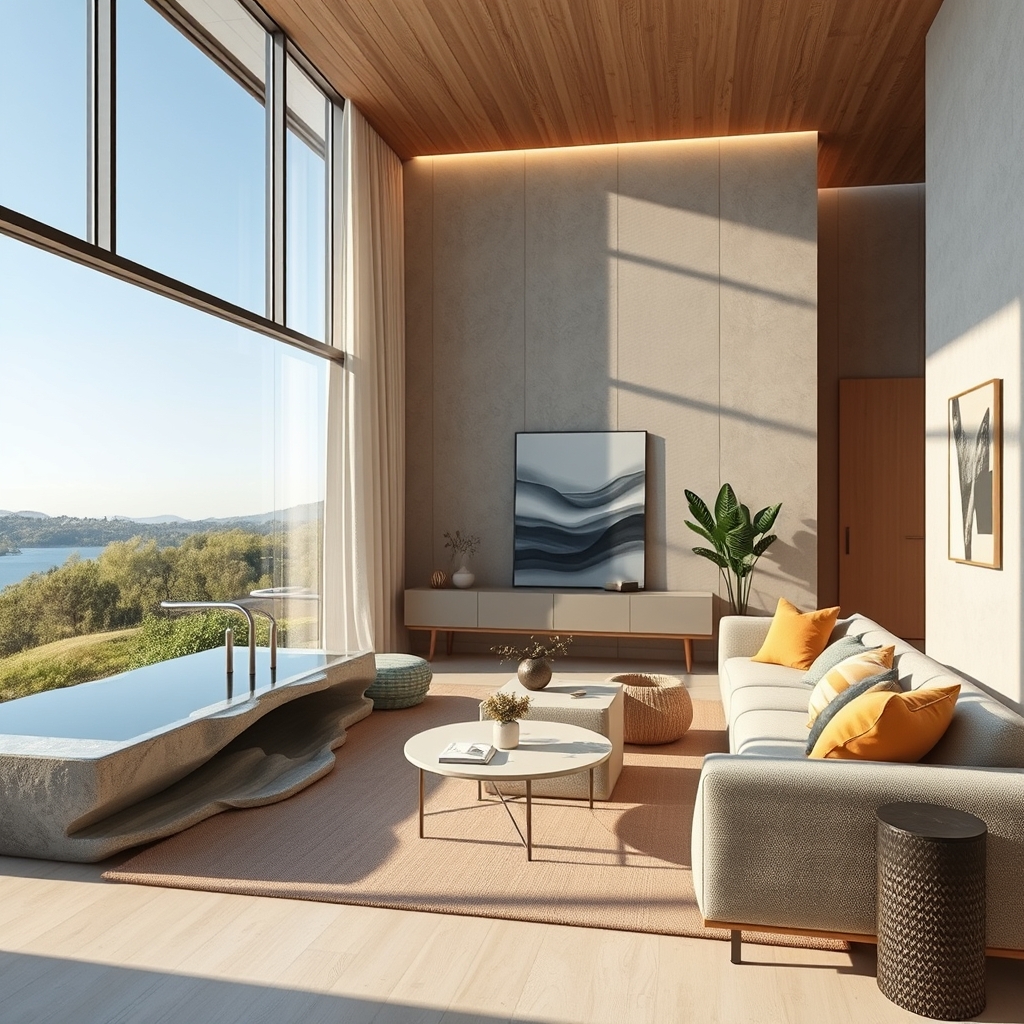
In the ever-evolving world of interior design, a new paradigm is emerging—one that places human experience at the heart of spatial design. This approach, known as Immersive Spatial Design, seeks to create environments that engage all the senses, fostering a deep connection between the inhabitant and their living space.
Sensory Interior Environments
Sensory Interior Environments are designed to stimulate the senses, creating a holistic experience that goes beyond mere aesthetics. These spaces consider the interplay of light, sound, texture, and scent to evoke emotions and enhance well-being. For instance, a room bathed in natural light, with soft, textured fabrics, and the gentle hum of a water feature can induce a sense of calm and tranquility.
Human-Centric Architecture
Human-Centric Architecture prioritizes the needs and experiences of the people who will inhabit the space. This approach involves understanding the psychological and emotional impact of design elements. By focusing on how spaces make people feel, designers can create environments that support mental health and overall well-being.
Adaptive Living Spaces
Adaptive Living Spaces are designed to evolve with the changing needs of their inhabitants. These spaces are flexible and modular, allowing for easy reconfiguration to accommodate different stages of life or varying functional requirements. This adaptability ensures that the home remains relevant and functional over time.
Biophilic Design Integration
Biophilic Design Integration brings nature into the built environment, creating a harmonious blend of indoor and outdoor spaces. This approach incorporates natural elements such as plants, water features, and natural materials to promote a sense of connection with the natural world. Biophilic design has been shown to reduce stress, improve cognitive function, and enhance overall well-being.
Personalized Interior Concepts
Personalized Interior Concepts focus on creating spaces that reflect the unique personality and lifestyle of the inhabitant. This involves a co-creative design process where the designer works closely with the client to understand their preferences, needs, and aspirations. The result is a space that is not only functional but also deeply personal and meaningful.
Sustainable Home Styling
Sustainable Home Styling emphasizes the use of eco-friendly materials and practices in interior design. This approach considers the environmental impact of design choices, from the selection of materials to the energy efficiency of the space. Sustainable styling not only reduces the carbon footprint but also creates healthier living environments.
Interactive Interior Planning
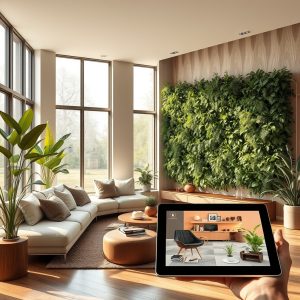
Interactive Interior Planning involves the use of digital tools to create and visualize interior spaces. Technologies such as Digital Twin Interior Modeling allow designers to create virtual replicas of spaces, enabling clients to experience and interact with the design before it is built. This interactive approach ensures that the final design meets the client’s expectations and needs.
Psychological Space Optimization
Psychological Space Optimization focuses on the psychological impact of spatial design. This involves understanding how the layout, color, and lighting of a space can influence mood, behavior, and cognitive function. By optimizing these elements, designers can create spaces that support mental health and well-being.
Wellness-Focused Home Design
Wellness-Focused Home Design prioritizes the health and well-being of the inhabitants. This approach considers factors such as air quality, natural light, and ergonomic design to create spaces that promote physical and mental health. Wellness-focused design is particularly important in today’s fast-paced world, where stress and sedentary lifestyles are common.
Emotionally Resonant Interiors
Emotionally Resonant Interiors are designed to evoke specific emotions and create a sense of connection with the space. This involves the use of color, texture, and lighting to create a mood or atmosphere. Emotionally resonant interiors can enhance the overall living experience, making the home a place of comfort, inspiration, and joy.
Co-Creative Design Processes
Co-Creative Design Processes involve collaboration between the designer and the client. This approach ensures that the final design reflects the client’s vision and meets their needs. By working together, designers and clients can create spaces that are not only functional but also deeply personal and meaningful.
Flexible Living Solutions
Flexible Living Solutions are designed to adapt to the changing needs of the inhabitants. These spaces are modular and can be easily reconfigured to accommodate different stages of life or varying functional requirements. Flexible living solutions ensure that the home remains relevant and functional over time.
Smart Home Experience Design
Smart Home Experience Design involves the integration of technology into the living space. This approach uses smart devices and automation to enhance comfort, convenience, and energy efficiency. Smart home design can create a seamless and intuitive living experience, making the home a place of comfort and convenience.
Conscious Material Selection
Conscious Material Selection emphasizes the use of sustainable and eco-friendly materials in interior design. This approach considers the environmental impact of design choices, from the selection of materials to the energy efficiency of the space. Conscious material selection not only reduces the carbon footprint but also creates healthier living environments.
Minimalist Lifestyle Design
Minimalist Lifestyle Design focuses on creating spaces that are simple, uncluttered, and functional. This approach emphasizes the use of clean lines, neutral colors, and minimal decoration to create a sense of calm and order. Minimalist design can enhance the overall living experience, making the home a place of comfort and tranquility.
Cultural Narrative Interiors
Cultural Narrative Interiors are designed to reflect the cultural heritage and personal stories of the inhabitants. This approach involves the use of cultural elements, such as art, textiles, and furniture, to create a sense of connection with the past and a celebration of cultural identity. Cultural narrative interiors can enhance the overall living experience, making the home a place of meaning and belonging.
Holistic Room Layouts
Holistic Room Layouts consider the overall flow and functionality of the space. This approach involves understanding how different areas of the home interact and how they can be optimized for comfort and efficiency. Holistic room layouts ensure that the home is not only functional but also a place of comfort and well-being.
In conclusion, the future of interior design lies in creating spaces that dance with human experience. By integrating sensory environments, human-centric architecture, and adaptive living solutions, designers can create homes that are not only functional but also deeply personal and meaningful. This holistic approach to design ensures that the home is a place of comfort, inspiration, and joy, supporting the overall well-being of its inhabitants.