Crafting Homes That Dance with Human Experience
In the realm of modern architecture and interior design, the concept of ‘human-centric’ spaces has gained significant traction. This approach prioritizes the needs, experiences, and well-being of the inhabitants, creating environments that are not just aesthetically pleasing but also emotionally resonant and functionally adaptable.
Immersive Spatial Design
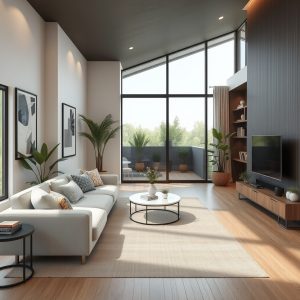
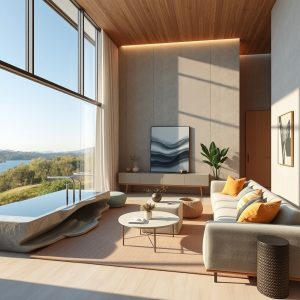
Immersive spatial design is at the heart of creating homes that dance with human experience. This involves designing spaces that engage all the senses, making the environment feel alive and dynamic. By incorporating elements like natural light, varied textures, and interactive features, designers can craft spaces that evoke a sense of wonder and connection.
Sensory Interior Environments
Sensory interior environments are designed to stimulate the senses, creating a holistic experience for the inhabitants. This can be achieved through the use of natural materials, soothing colors, and ambient sounds. For example, a living room with soft, plush seating, warm lighting, and a gentle background melody can create a cozy, inviting atmosphere that promotes relaxation and well-being.
Biophilic Design Integration
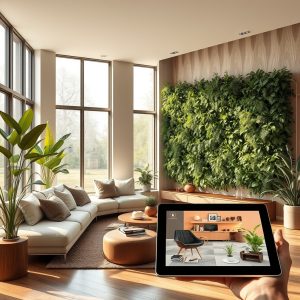
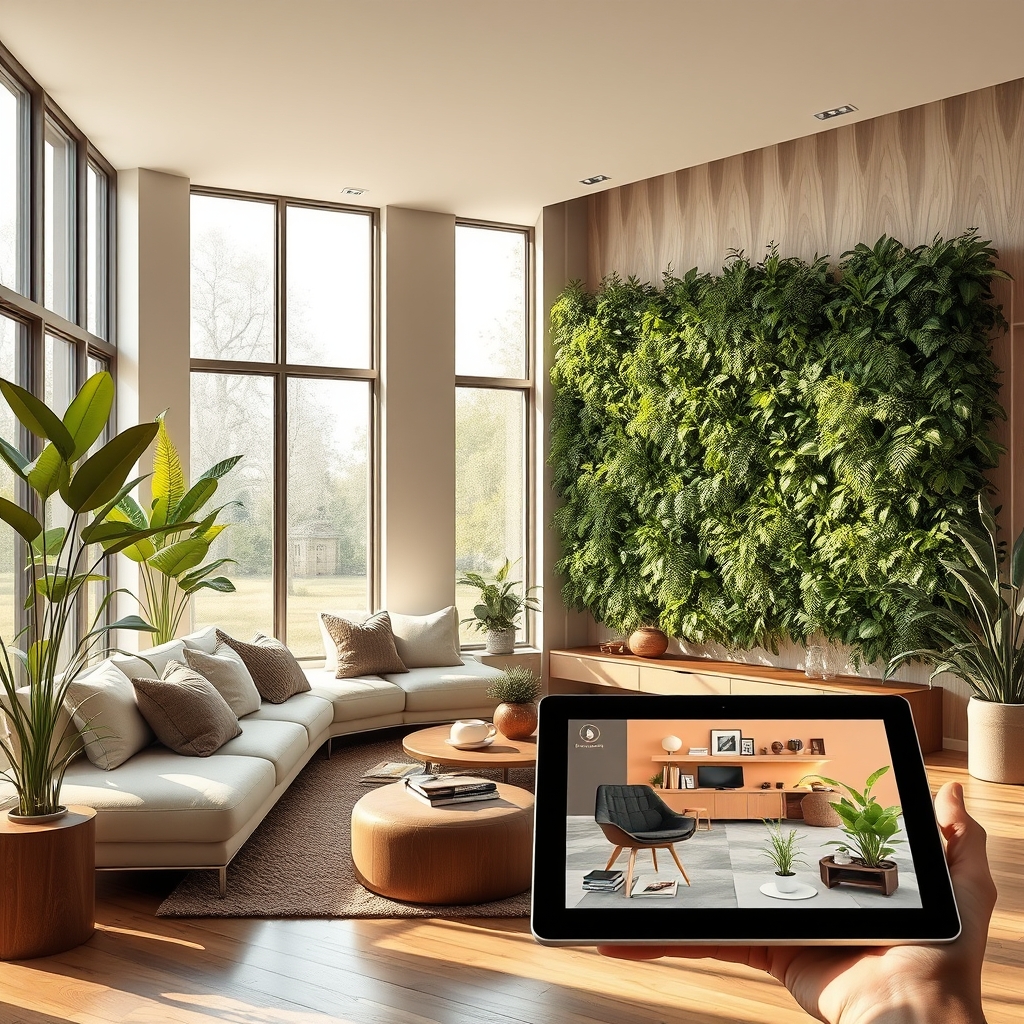
Biophilic design integration is another key aspect of human-centric architecture. This approach incorporates natural elements into the built environment, such as plants, water features, and natural light. By bringing the outdoors in, biophilic design can enhance mental health, reduce stress, and improve overall well-being. A kitchen with a green wall of herbs, a dining area with a skylight, and a bedroom with a view of a lush garden are all examples of biophilic design in action.
Adaptive Living Spaces
Adaptive living spaces are designed to evolve with the needs of the inhabitants. This can include flexible layouts, modular furniture, and smart home technology that can be easily reconfigured to suit different activities and lifestyles. For instance, a home office that can be transformed into a guest bedroom, or a living room that can be converted into a home theater, offers versatility and adaptability.
Personalized Interior Concepts
Personalized interior concepts focus on creating spaces that reflect the unique personalities and preferences of the inhabitants. This can involve custom furniture, bespoke artwork, and personalized decor that tell a story about the people who live there. A home that incorporates family heirlooms, travel souvenirs, and personalized artwork can create a sense of identity and belonging.
Sustainable Home Styling
Sustainable home styling is about creating beautiful, functional spaces that are also environmentally friendly. This can include the use of eco-friendly materials, energy-efficient appliances, and sustainable design practices. A home that incorporates recycled materials, solar panels, and a rainwater harvesting system can reduce its environmental footprint while still being stylish and comfortable.
Interactive Interior Planning
Interactive interior planning involves the use of technology to create dynamic, responsive spaces. This can include smart home systems that control lighting, temperature, and entertainment, as well as digital twin interior modeling that allows for virtual walkthroughs and real-time adjustments. A home that uses voice-activated controls, automated blinds, and a smart thermostat can offer convenience and efficiency.
Psychological Space Optimization
Psychological space optimization focuses on designing spaces that support mental health and well-being. This can include creating calm, clutter-free environments, incorporating elements of nature, and using color psychology to create a positive atmosphere. A home that features a meditation room, a home gym, and a cozy reading nook can promote relaxation, exercise, and mental clarity.
Wellness-Focused Home Design
Wellness-focused home design is about creating spaces that prioritize the health and well-being of the inhabitants. This can include features like air purification systems, ergonomic furniture, and spaces designed for relaxation and rejuvenation. A home that incorporates a spa-like bathroom, a yoga studio, and a wellness kitchen can support a healthy lifestyle.
Co-Creative Design Processes
Co-creative design processes involve collaboration between designers and clients to create spaces that truly reflect the needs and desires of the inhabitants. This can include workshops, brainstorming sessions, and iterative design processes that allow for continuous feedback and adjustment. A home that is co-created with the inhabitants can ensure that it meets their unique needs and preferences.
Flexible Living Solutions
Flexible living solutions are designed to adapt to the changing needs of the inhabitants. This can include multi-functional spaces, convertible furniture, and modular design elements that can be easily reconfigured. A home that features a Murphy bed, a fold-down desk, and a convertible sofa can offer versatility and adaptability.
Smart Home Experience Design
Smart home experience design involves the integration of technology to create intuitive, responsive spaces. This can include smart appliances, automated systems, and voice-activated controls that enhance convenience and efficiency. A home that features a smart refrigerator, automated lighting, and a voice-activated assistant can offer a seamless, connected experience.
In conclusion, crafting homes that dance with human experience involves a holistic approach that prioritizes the needs, experiences, and well-being of the inhabitants. By incorporating immersive spatial design, adaptive living spaces, and wellness-focused features, designers can create environments that are not just aesthetically pleasing but also emotionally resonant and functionally adaptable. Through co-creative design processes and the integration of technology, homes can be tailored to the unique preferences and lifestyles of their inhabitants, creating spaces that truly reflect and respond to human experience.