The Living Mosaic: Crafting Homes That Reflect and Respond

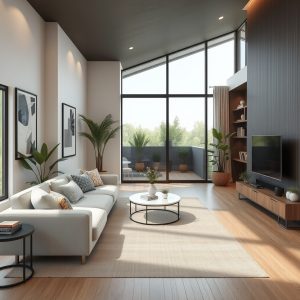
In the realm of modern architecture and interior design, a paradigm shift is underway. The focus is no longer merely on aesthetics or functionality but on creating immersive spatial designs that engage all the senses and respond to the unique needs and experiences of the inhabitants.
Sensory Interior Environments
Sensory interior environments are at the heart of this revolution. These spaces are designed to stimulate and soothe the senses, creating a harmonious balance that enhances well-being. From the texture of materials to the play of light and shadow, every element is carefully curated to evoke a specific emotional response.
Human Centric Architecture
Human centric architecture places the human experience at the core of the design process. It considers the physical, emotional, and psychological needs of the occupants, creating spaces that are not just functional but also nurturing. This approach ensures that homes are not just places to live but sanctuaries that support and enhance the quality of life.
Adaptive Living Spaces
Adaptive living spaces are designed to evolve with the changing needs of the inhabitants. Whether it’s a growing family, a shift in lifestyle, or the need for a home office, these spaces can be easily reconfigured to meet new demands. This flexibility ensures that the home remains a comfortable and supportive environment throughout the various stages of life.
Biophilic Design Integration
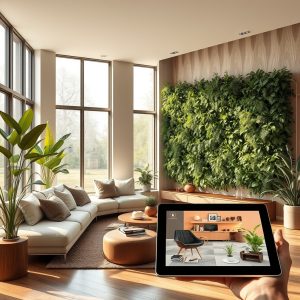
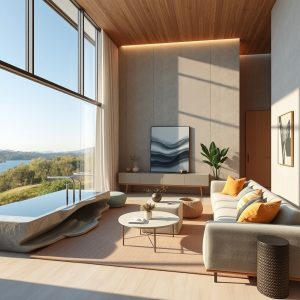
Biophilic design integration brings the natural world into the home, creating a seamless connection between indoor and outdoor spaces. This approach not only enhances the aesthetic appeal of the home but also promotes well-being by reducing stress and improving cognitive function. Elements such as natural light, plants, and water features are integral to this design philosophy.
Personalized Interior Concepts
Personalized interior concepts ensure that each home is a unique reflection of its occupants. By incorporating personal stories, memories, and preferences, these spaces become more than just physical structures; they become extensions of the people who live in them. This personalization fosters a deeper emotional connection to the home, making it a truly special place.
Sustainable Home Styling
Sustainable home styling is another key aspect of modern interior design. By using eco-friendly materials and energy-efficient solutions, homes can be both beautiful and environmentally responsible. This approach not only reduces the carbon footprint but also creates healthier living spaces for the occupants.
Interactive Interior Planning
Interactive interior planning involves the use of digital tools to create and visualize home designs. This technology allows for a more collaborative and engaging design process, enabling clients to see and interact with their future homes before any physical work begins. This level of engagement ensures that the final design meets the exact needs and preferences of the occupants.
Psychological Space Optimization
Psychological space optimization focuses on the emotional and mental well-being of the inhabitants. By understanding the psychological impact of different design elements, spaces can be created that promote relaxation, creativity, and overall happiness. This approach ensures that the home is not just a physical space but a supportive environment that enhances the quality of life.
Digital Twin Interior Modeling
Digital twin interior modeling takes interactive planning a step further by creating a virtual replica of the home. This digital twin allows for real-time testing and adjustments, ensuring that the final design is perfect in every way. This technology is particularly useful for complex projects where precision and accuracy are crucial.
Wellness Focused Home Design
Wellness focused home design prioritizes the health and well-being of the occupants. This approach incorporates elements such as natural light, air quality, and ergonomic design to create spaces that support physical and mental health. By focusing on wellness, homes can become true sanctuaries that promote a healthy and balanced lifestyle.
Emotionally Resonant Interiors
Emotionally resonant interiors are designed to evoke specific emotions and create a sense of belonging. By using color, texture, and lighting to create a particular mood, these spaces become more than just physical environments; they become emotional landscapes that support and enhance the lives of the occupants.
Co Creative Design Processes
Co creative design processes involve collaboration between designers and clients to create truly unique and personalized spaces. This approach ensures that the final design is a true reflection of the client’s vision and needs. By working together, designers and clients can create homes that are not just functional but also deeply meaningful.
Flexible Living Solutions
Flexible living solutions are designed to adapt to the changing needs of the inhabitants. Whether it’s a growing family, a shift in lifestyle, or the need for a home office, these spaces can be easily reconfigured to meet new demands. This flexibility ensures that the home remains a comfortable and supportive environment throughout the various stages of life.
Smart Home Experience Design
Smart home experience design incorporates technology to create homes that are not just functional but also intuitive and responsive. From automated lighting to smart appliances, these homes are designed to make life easier and more enjoyable. By integrating technology seamlessly into the design, homes can become true extensions of the people who live in them.
Conscious Material Selection
Conscious material selection is a key aspect of sustainable home styling. By choosing materials that are eco-friendly and non-toxic, homes can be both beautiful and environmentally responsible. This approach not only reduces the carbon footprint but also creates healthier living spaces for the occupants.
Minimalist Lifestyle Design
Minimalist lifestyle design focuses on creating spaces that are simple, uncluttered, and functional. By eliminating unnecessary elements, these homes become more than just physical structures; they become reflections of a lifestyle that values simplicity and clarity. This approach ensures that the home is a supportive environment that enhances the quality of life.
Cultural Narrative Interiors
Cultural narrative interiors tell a story through design, incorporating elements that reflect the unique cultural heritage and personal history of the occupants. By creating spaces that are rich in meaning and symbolism, these homes become more than just physical environments; they become emotional landscapes that support and enhance the lives of the occupants.
Holistic Room Layouts
Holistic room layouts consider the overall flow and functionality of the home, creating spaces that are not just beautiful but also practical. By understanding the needs and preferences of the occupants, these layouts ensure that the home is a supportive environment that enhances the quality of life.
In the ever-evolving world of interior design, the focus on creating immersive, sensory, and responsive spaces is transforming the way we think about our homes. By integrating elements of human centric architecture, biophilic design, and sustainable styling, we can create homes that are not just places to live but sanctuaries that support and enhance the quality of life. Through co creative design processes and the use of advanced technologies like digital twin modeling, we can ensure that each home is a unique reflection of its occupants, a true extension of their lives and experiences. This holistic approach to design ensures that our homes are not just physical structures but emotional landscapes that nurture and inspire us, creating a deeper connection to the spaces we inhabit.