
The Living Alchemy: Crafting Homes That Harmonize Mind, Body, and Space
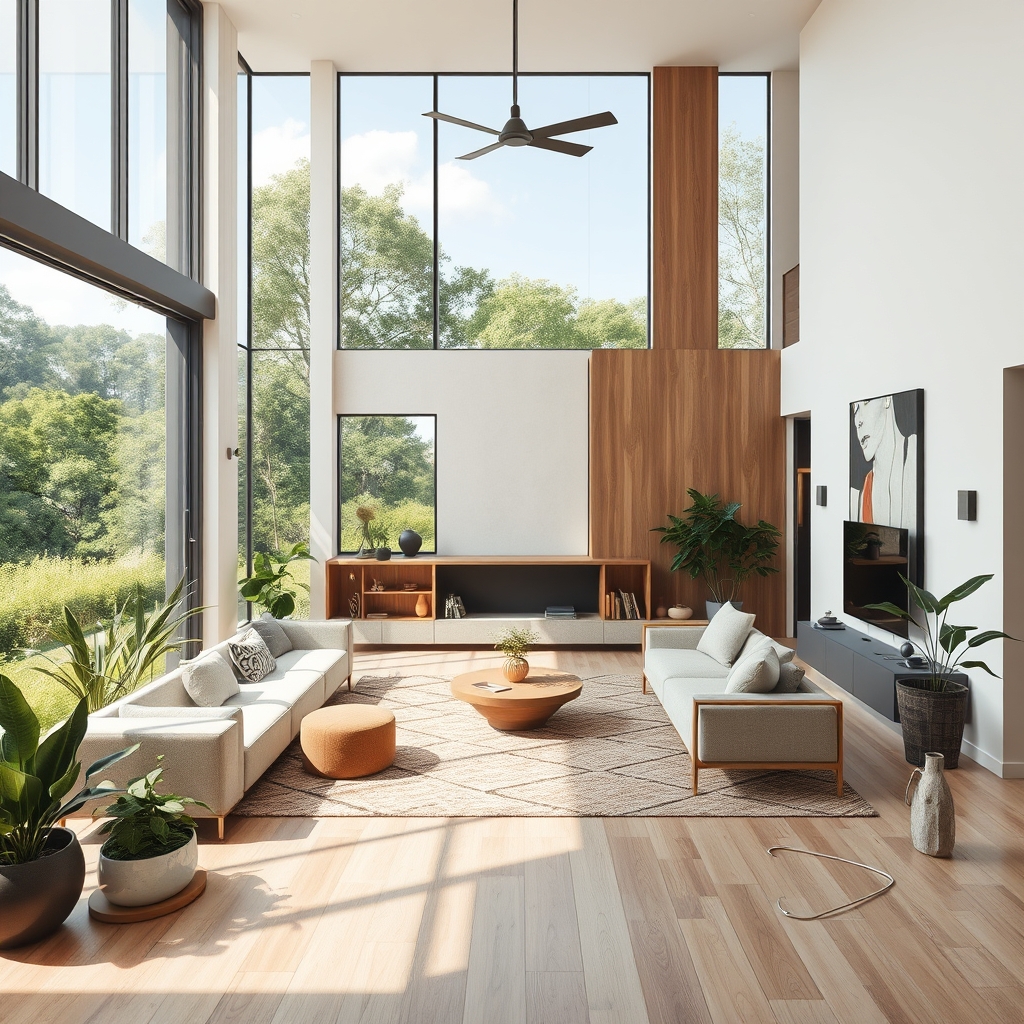
In the realm of architecture and interior design, there exists a fascinating and evolving field known as immersive spatial design. This approach to creating living spaces goes beyond the mere arrangement of furniture and decor; it delves into the very essence of how we experience and interact with our environments. By focusing on sensory interior environments, human-centric architecture, and adaptive living spaces, immersive spatial design aims to craft homes that not only look beautiful but also feel alive and responsive to the needs and emotions of their inhabitants.
Sensory Interior Environments
At the heart of immersive spatial design lies the concept of sensory interior environments. These spaces are meticulously designed to engage all five senses, creating a multi-dimensional experience that transcends the ordinary. From the soothing touch of natural materials to the calming sight of biophilic elements, every detail is carefully considered to evoke a sense of tranquility and well-being.
Biophilic Design Integration
Biophilic design integration is a key component of sensory interior environments. By incorporating elements of nature into our living spaces, we can create a profound connection to the natural world. This might include bringing the outdoors in through large windows, incorporating indoor plants, or using materials that evoke the feel of natural textures. The result is a space that not only looks beautiful but also has a positive impact on our physical and mental health.
Psychological Space Optimization
Psychological space optimization is another crucial aspect of immersive spatial design. This involves creating spaces that support our mental and emotional well-being. For example, a cozy reading nook can be designed to evoke a sense of comfort and introspection, while a vibrant, open kitchen can foster a sense of creativity and connection. By understanding the psychological impact of different spaces, designers can create environments that truly resonate with the people who inhabit them.
Human-Centric Architecture
Human-centric architecture is a philosophy that places the needs and preferences of the people who will live in a space at the forefront of the design process. This approach recognizes that everyone is unique, with different lifestyles, habits, and emotional needs. By embracing this philosophy, immersive spatial design can create homes that are truly personalized and emotionally resonant.
Personalized Interior Concepts
Personalized interior concepts are a natural extension of human-centric architecture. These designs take into account the individual preferences and lifestyles of the people who will be living in the space. Whether it’s a minimalist lifestyle design that emphasizes simplicity and clarity, or a maximalist lifestyle design that celebrates individuality and creativity, personalized interior concepts can create a space that feels uniquely ‘you’.
Co-Creative Design Processes
Co-creative design processes involve the active participation of the people who will be living in the space throughout the design and construction process. This can include everything from selecting materials and finishes to choosing furniture and decor. By involving the inhabitants in the design process, co-creative design processes can create a sense of ownership and emotional connection to the space.
Adaptive Living Spaces
Adaptive living spaces are designed to evolve and change over time, responding to the needs and preferences of their inhabitants. This might include flexible living solutions that can be easily reconfigured to suit different activities, or smart home experience design that uses technology to create a seamless and intuitive living environment. By embracing adaptability, immersive spatial design can create homes that are not only beautiful and functional but also truly responsive to the needs of their inhabitants.
In the end, immersive spatial design is about creating homes that are not just places to live, but experiences to be savored. By focusing on sensory interior environments, human-centric architecture, and adaptive living spaces, designers can create spaces that are truly emotionally resonant and responsive to the needs and preferences of their inhabitants. These homes are not just buildings; they are living, breathing entities that evolve and change over time, reflecting the unique journey of those who call them home.



