
The Living Tapestry: Crafting Homes That Weave Emotion and Function
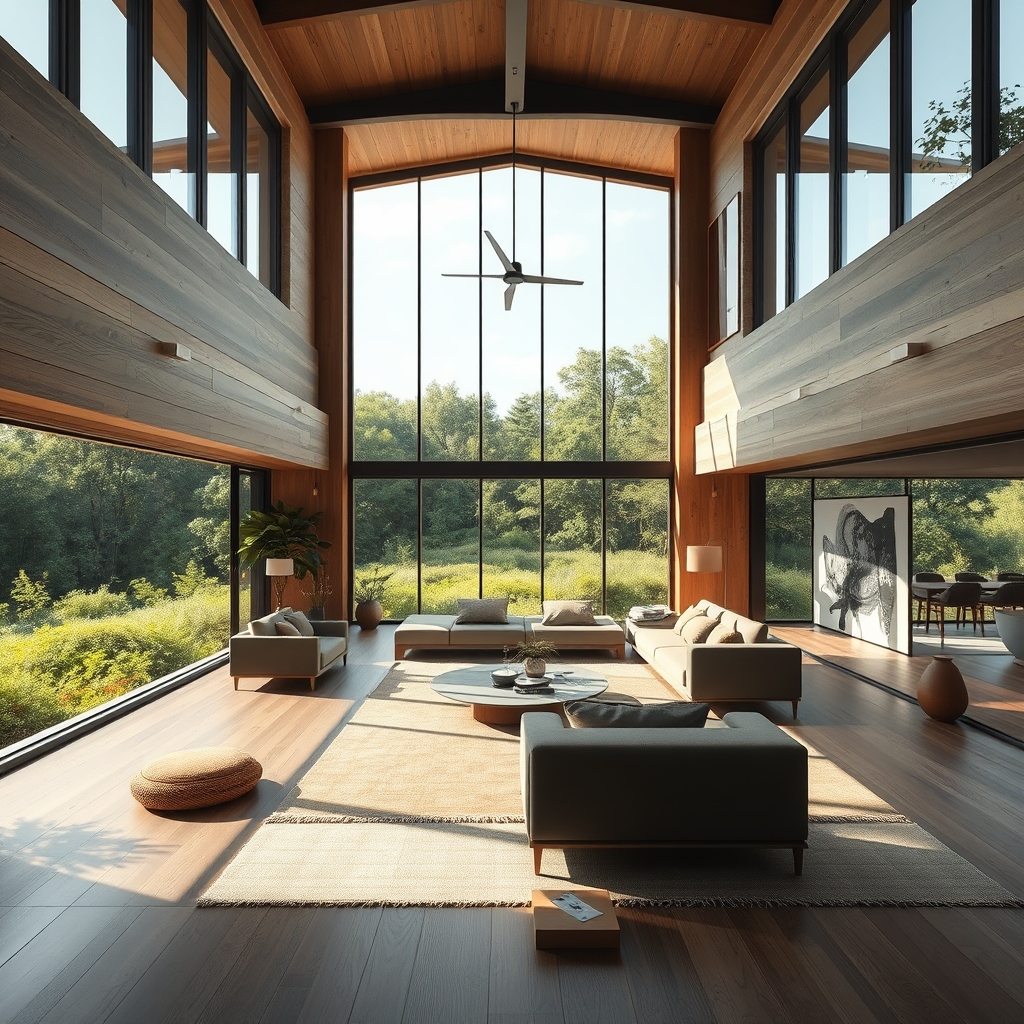
In the realm of interior design, the fusion of emotion and function is not merely an aspiration but a tangible reality. This alchemy of design is what transforms a mere space into a living, breathing entity that resonates with the inhabitants. The concept of immersive spatial design is at the heart of this transformation, where every element is meticulously crafted to create an environment that is both functional and emotionally resonant.
The Dance of Human Centric Architecture
Human-centric architecture is the cornerstone of immersive spatial design. It is an approach that prioritizes the needs, desires, and behaviors of the people who will inhabit the space. This is not about creating a one-size-fits-all solution, but rather about understanding the unique story of each individual and weaving it into the fabric of the design. The result is a space that feels like an extension of the person, a sanctuary that nurtures their well-being and enhances their quality of life.
Sensory Interior Environments
Sensory interior environments take human-centric architecture a step further by engaging all the senses. From the soothing touch of natural materials to the calming sight of biophilic elements, every detail is designed to create a multi-sensory experience. The use of adaptive lighting, for instance, can shift the mood of a room with the flick of a switch, while the integration of soundscapes can create a serene atmosphere that promotes relaxation and focus.
Psychological Space Optimization
Psychological space optimization is another key aspect of immersive spatial design. It involves understanding the psychological impact of space and using this knowledge to create environments that support mental and emotional well-being. For example, open-concept living spaces can foster a sense of connection and community, while cozy nooks can provide a retreat for introspection and relaxation. The strategic placement of mirrors, for instance, can create the illusion of space, making a room feel larger and more inviting.
The Alchemy of Personalized Interior Concepts
Personalized interior concepts are the culmination of immersive spatial design. They are not about creating a space that is simply functional, but rather about crafting an environment that tells a story. This story is not just about the physical elements of the space, but also about the emotions and experiences that are woven into it. It is about creating a space that feels like a reflection of the person, a sanctuary that nurtures their well-being and enhances their quality of life.
Biophilic Design Integration
Biophilic design integration is a powerful tool in the creation of personalized interior concepts. It involves the integration of natural elements into the design, creating a connection between the indoors and the outdoors. This can be as simple as bringing a touch of nature indoors with a houseplant, or as complex as creating an entire room that feels like an extension of the great outdoors. The result is a space that is not only functional but also emotionally resonant, a sanctuary that nurtures the mind, body, and soul.
Holistic Room Layouts
Holistic room layouts are another key aspect of personalized interior concepts. They involve the strategic placement of furniture and decor to create a space that is both functional and aesthetically pleasing. This is not about creating a space that is simply functional, but rather about crafting an environment that tells a story. This story is not just about the physical elements of the space, but also about the emotions and experiences that are woven into it. It is about creating a space that feels like a reflection of the person, a sanctuary that nurtures their well-being and enhances their quality of life.
The Living Canvas: Crafting Homes That Respond and Resonate
In the realm of immersive spatial design, the concept of the living canvas is a powerful metaphor. It is about creating a space that is not just a collection of objects, but rather a living, breathing entity that responds to the needs and desires of its inhabitants. This is not about creating a space that is simply functional, but rather about crafting an environment that tells a story. This story is not just about the physical elements of the space, but also about the emotions and experiences that are woven into it. It is about creating a space that feels like a reflection of the person, a sanctuary that nurtures their well-being and enhances their quality of life.
Interactive Interior Planning
Interactive interior planning is a key aspect of the living canvas concept. It involves the use of technology to create a space that is not just a collection of objects, but rather a living, breathing entity that responds to the needs and desires of its inhabitants. This can be as simple as the use of smart lighting that responds to the mood of the inhabitants, or as complex as the use of digital twin interior modeling to create a virtual representation of the space that can be interacted with and manipulated in real-time.
Smart Home Experience Design
Smart home experience design is another key aspect of the living canvas concept. It involves the integration of technology into the design of the space, creating a seamless and intuitive user experience. This can be as simple as the use of voice-activated assistants to control the smart devices in the home, or as complex as the use of artificial intelligence to learn the habits and preferences of the inhabitants and adapt the space accordingly. The result is a space that is not just a collection of objects, but rather a living, breathing entity that responds to the needs and desires of its inhabitants.
In the realm of immersive spatial design, the fusion of emotion and function is not merely an aspiration but a tangible reality. It is about creating a space that is not just a collection of objects, but rather a living, breathing entity that resonates with the inhabitants. It is about understanding the unique story of each individual and weaving it into the fabric of the design, creating a sanctuary that nurtures their well-being and enhances their quality of life. It is about crafting homes that weave emotion and function, where every element is meticulously crafted to create an environment that is both functional and emotionally resonant. This is the living tapestry of immersive spatial design, a testament to the power of design to transform spaces into sanctuaries of well-being and happiness.



