
The Living Alchemy: Crafting Homes That Harmonize Mind, Body, and Space
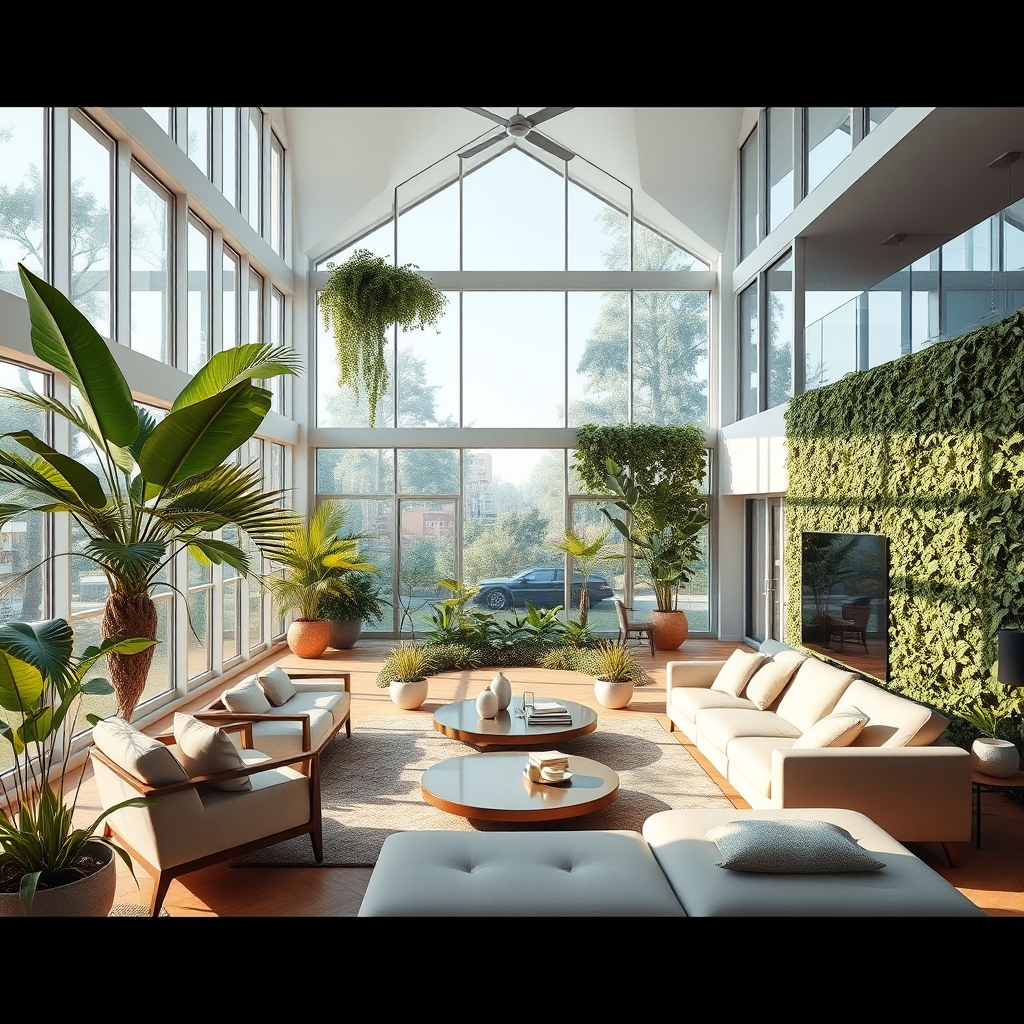
In the realm of interior design, there exists a fascinating intersection where the art of creating spaces meets the science of human experience. This is the domain of immersive spatial design, a field that transcends traditional boundaries to craft environments that resonate with the inhabitants on a profound level. It’s about more than just aesthetics; it’s about creating spaces that harmonize the mind, body, and soul.
Sensory Interior Environments
At the heart of immersive spatial design lies the concept of sensory interior environments. These are spaces that engage all five senses, from the visual appeal of carefully chosen colors and textures to the tactile comfort of materials. The use of natural elements, such as wood and stone, can create a grounding effect, while soft lighting and strategic use of color can evoke specific moods. Even the soundscapes within a space, from the subtle hum of a well-designed ventilation system to the gentle rustle of artificial plants, can contribute to a sense of tranquility.
Human-Centric Architecture
Human-centric architecture is another cornerstone of immersive spatial design. It’s about understanding the unique needs and preferences of the people who will inhabit a space, and designing accordingly. This might involve creating flexible layouts that can adapt to different lifestyles, or incorporating features that cater to specific health needs, such as ergonomic furniture or spaces designed to promote well-being.
Adaptive Living Spaces
Adaptive living spaces are a testament to the power of immersive spatial design. These are environments that can change and evolve with the inhabitants, responding to their needs and preferences in real-time. Imagine a living room that adjusts its lighting and temperature based on the time of day, or a bedroom that shifts its ambiance to promote restful sleep. These spaces are not just about convenience; they’re about creating a sense of control and comfort that can significantly enhance the quality of life.
Biophilic Design Integration
Biophilic design integration is a powerful tool in the creation of immersive spatial environments. This approach draws inspiration from nature, incorporating elements such as natural light, greenery, and water features into the design. The result is a space that feels alive, connected to the natural world, and conducive to well-being. For instance, a home office with large windows and a small indoor plant can create a sense of calm and focus, while a living room with a water feature and plenty of greenery can evoke a sense of serenity.
Personalized Interior Concepts
Personalized interior concepts are at the heart of immersive spatial design. These are spaces that reflect the unique personalities, lifestyles, and preferences of their inhabitants. It’s about creating a home that feels like an extension of oneself, a space that tells a story and evokes memories. This might involve incorporating personal art and mementos, choosing a color palette that resonates with the inhabitants, or designing a space that caters to specific hobbies and interests.
Sustainable Home Styling
Sustainable home styling is a key aspect of immersive spatial design. It’s about creating spaces that are not only beautiful and functional but also environmentally responsible. This might involve using eco-friendly materials, incorporating renewable energy sources, or designing spaces that promote sustainability in everyday life. For example, a home with a green roof and solar panels can create a sense of harmony with nature, while a kitchen with energy-efficient appliances can promote a sense of responsibility and sustainability.
In the end, immersive spatial design is about creating spaces that are more than just places to live. It’s about crafting environments that resonate with the inhabitants on a deep level, spaces that harmonize the mind, body, and soul. It’s about creating homes that feel like a second home, a space that feels like an extension of oneself. In this way, immersive spatial design is not just about creating beautiful spaces, but about creating spaces that enhance the quality of life.



