
The Silent Architects: How Emotionally Intelligent Spaces Shape Our Inner Worlds
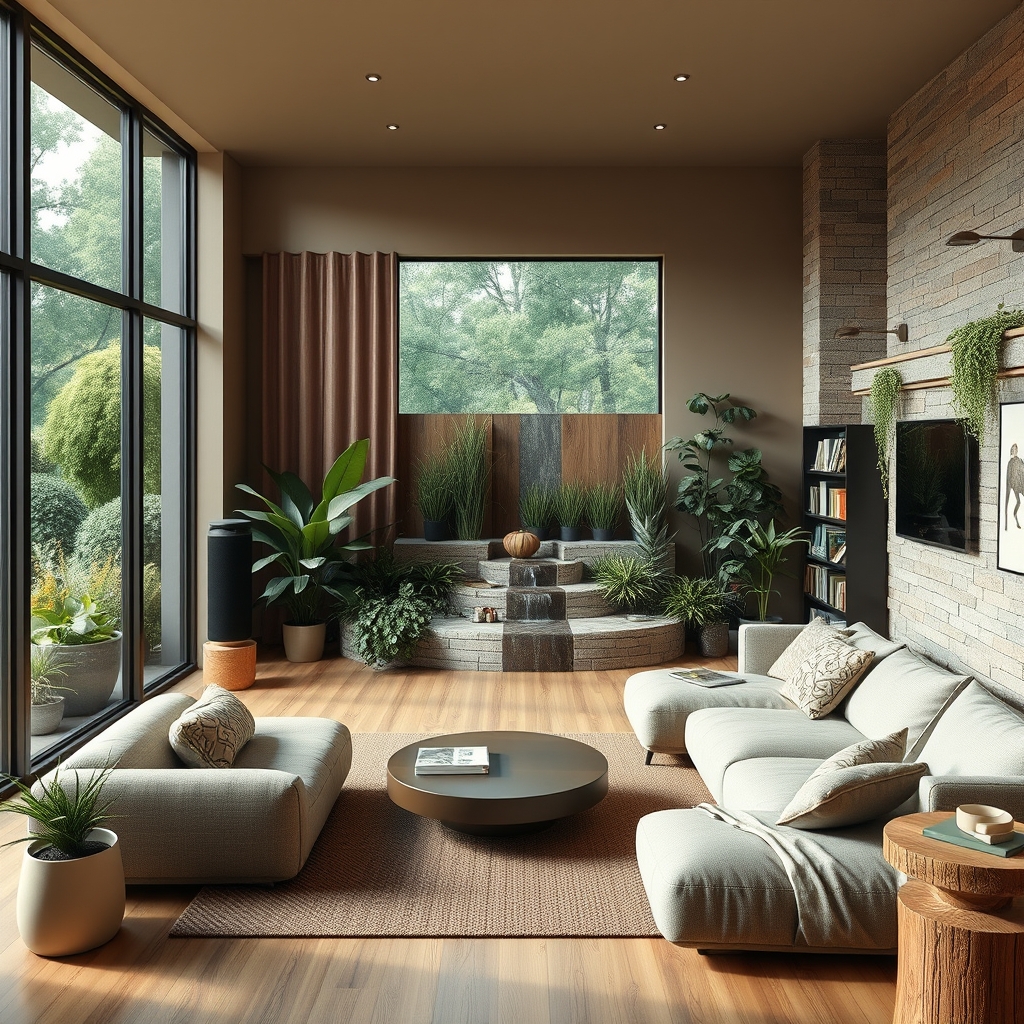
Imagine stepping into a room that instantly makes you feel lighter, as if the air itself carries a quiet understanding of your mood. The colors soften, the textures invite touch, and the layout seems to anticipate your movements before you even make them. This is not the work of magic, but of a growing discipline in interior design—one that treats spaces as silent architects of our emotional landscapes. These are emotionally intelligent spaces, environments meticulously crafted to respond not just to our physical needs, but to the subtle, often unspoken language of our inner worlds.
The Science of Emotional Resonance
At the heart of emotionally intelligent spaces lies the principle of emotional resonance—a concept borrowed from psychology that describes how environments can mirror, amplify, or soothe our feelings. Research in environmental psychology has shown that our surroundings influence our moods, behaviors, and even cognitive functions in profound ways. A study published in the Journal of Environmental Psychology found that rooms with natural light, organic shapes, and warm materials can reduce stress levels by up to 30%. These findings are not just academic; they are the foundation of a design philosophy that prioritizes the human experience above all else.
Designers working in this field often begin by mapping the emotional journey of the inhabitants. What are the moments of joy, stress, or reflection in their daily lives? How can the space support or enhance these experiences? For instance, a kitchen designed for a family that loves to cook together might incorporate open shelving to display cherished dishes, warm lighting to create intimacy, and durable, tactile materials that invite touch. The goal is not just to create a functional space, but one that feels like a natural extension of the people who use it.
The Role of Adaptive Technology
Technology plays a pivotal role in bringing emotionally intelligent spaces to life. Smart home systems, once limited to controlling lights and thermostats, are now evolving into sophisticated tools that adapt to our emotional states. Imagine a living room that adjusts its lighting, temperature, and even scent based on the time of day or the mood of its occupants. Companies like Philips and Lutron are already developing systems that use AI to learn from user behavior, creating environments that feel intuitively responsive.
But technology alone is not enough. The most successful emotionally intelligent spaces blend digital innovation with human-centric design principles. For example, a bedroom might feature blackout curtains that automatically adjust to the sleep cycle of its occupant, paired with soft, breathable fabrics and a layout that minimizes clutter to reduce anxiety. The technology enhances the design, but it is the thoughtful integration of sensory elements—sight, sound, touch, and even smell—that truly makes the space feel alive.
The Power of Personalization
One of the most compelling aspects of emotionally intelligent spaces is their ability to reflect the unique identities of their inhabitants. Unlike generic, one-size-fits-all designs, these spaces are deeply personal, often incorporating elements that tell a story. A home office might feature a gallery wall of family photos, a favorite piece of art, or a collection of books that inspire creativity. These personal touches do more than add character; they create a sense of belonging and ownership, making the space feel truly yours.
Personalization also extends to flexibility. Emotionally intelligent spaces are designed to evolve with the needs of their users. Modular furniture, movable partitions, and multi-functional layouts allow spaces to adapt to changing lifestyles, whether it’s a growing family, a new hobby, or a shift in work habits. This adaptability ensures that the space remains relevant and supportive, no matter how life changes.
Biophilic Design: Bringing Nature Indoors
No discussion of emotionally intelligent spaces would be complete without mentioning biophilic design—the practice of integrating natural elements into the built environment. Studies have shown that exposure to nature, even in small doses, can reduce stress, improve mood, and enhance cognitive function. Emotionally intelligent spaces often incorporate biophilic elements such as indoor plants, natural materials like wood and stone, and views of outdoor greenery. These features create a sense of calm and connection to the natural world, which is essential for emotional well-being.
But biophilic design is not just about adding a few plants to a room. It’s about creating a holistic experience that engages all the senses. A living wall in a living room, for example, not only adds visual interest but also improves air quality and introduces the soothing sound of rustling leaves. Natural materials like cork or bamboo can add warmth and texture, while water features can create a sense of tranquility. When done well, biophilic design transforms a space into a sanctuary, a place where the mind and body can truly relax.
The Future of Emotionally Intelligent Spaces
As our understanding of the relationship between space and emotion deepens, the possibilities for emotionally intelligent design are expanding. Emerging technologies like augmented reality (AR) and virtual reality (VR) are opening new avenues for experimentation, allowing designers to create and test spaces in immersive digital environments before they are built. Meanwhile, advances in materials science are leading to the development of smart surfaces that can change color, texture, or even temperature in response to user input.
Yet, for all the technological advancements, the most important tool in creating emotionally intelligent spaces remains empathy. Designers must listen deeply to the needs and desires of their clients, observing not just what they say, but how they interact with their environments. It’s a process of co-creation, where the designer acts as a guide, helping to translate emotions and experiences into tangible, living spaces.
In a world that often feels overwhelming and disconnected, emotionally intelligent spaces offer a refuge—a place where the environment works in harmony with our inner selves. They remind us that our surroundings are not just backdrops to our lives, but active participants in our well-being. As we continue to explore the boundaries of what design can achieve, one thing is clear: the spaces we inhabit have the power to shape not just how we live, but how we feel. And in that quiet, unspoken dialogue between person and place, there is a world of possibility waiting to be discovered.



