The Quiet Revolution: How Biophilic Design Integration Transforms Modern Homes into Sanctuaries of Serenity
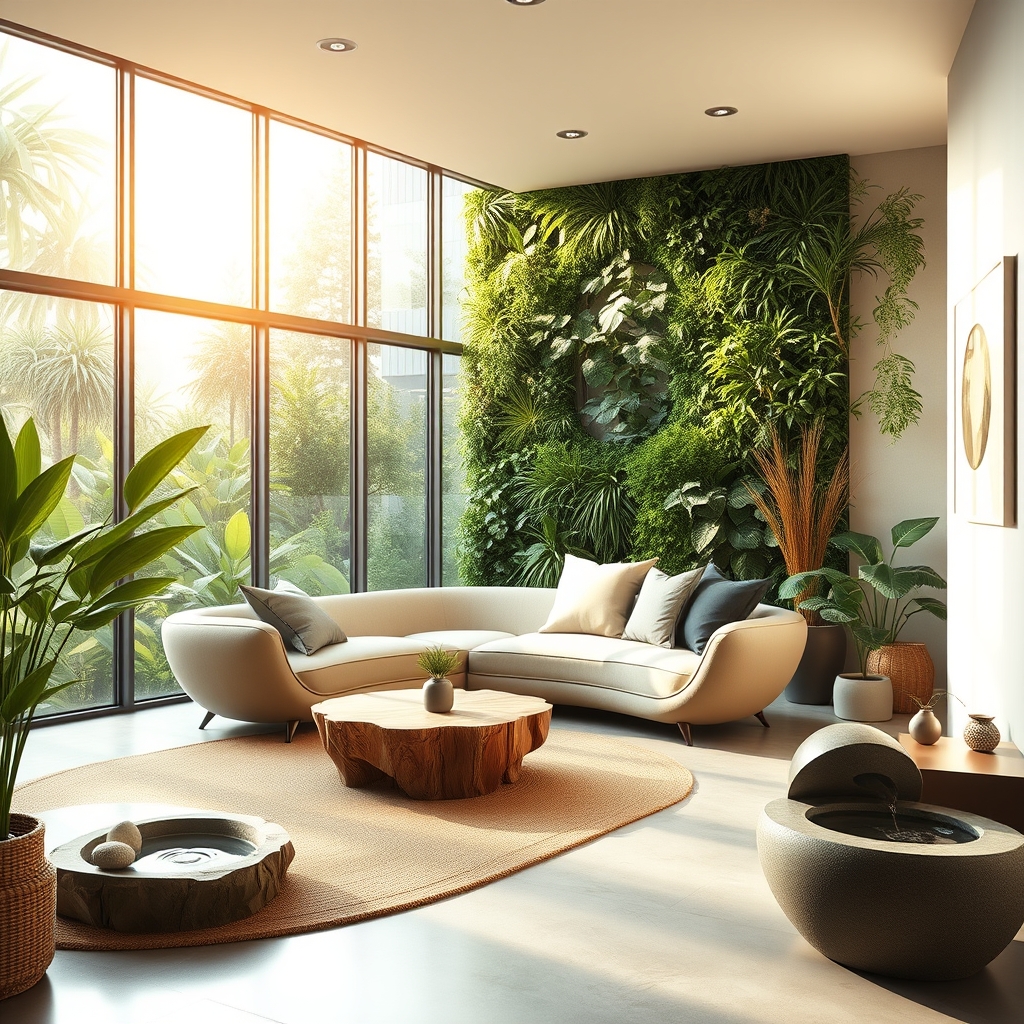
In an era where urbanization dominates and digital screens dictate our attention, the longing for a deeper connection with nature has never been more profound. Modern homes are no longer just shelters; they are evolving into sanctuaries that nurture the soul, heal the mind, and restore balance to our fast-paced lives. At the heart of this transformation lies biophilic design integration, a philosophy that seamlessly weaves the essence of the natural world into the fabric of our living spaces. This approach goes beyond mere aesthetics—it is a conscious effort to create environments that resonate with our innate biological affinity for nature, fostering well-being, creativity, and emotional harmony.
The Science Behind Biophilic Design
Biophilia, a term popularized by biologist Edward O. Wilson, refers to the inherent human tendency to seek connections with nature and other forms of life. Scientific research has consistently shown that exposure to natural elements—whether through sunlight, greenery, or organic textures—can reduce stress, enhance cognitive function, and even accelerate healing. In the context of interior design, biophilic principles are applied through direct and indirect experiences of nature. Direct integration might include indoor plants, water features, or natural light, while indirect methods could involve the use of natural materials, earthy color palettes, or nature-inspired patterns and artwork.
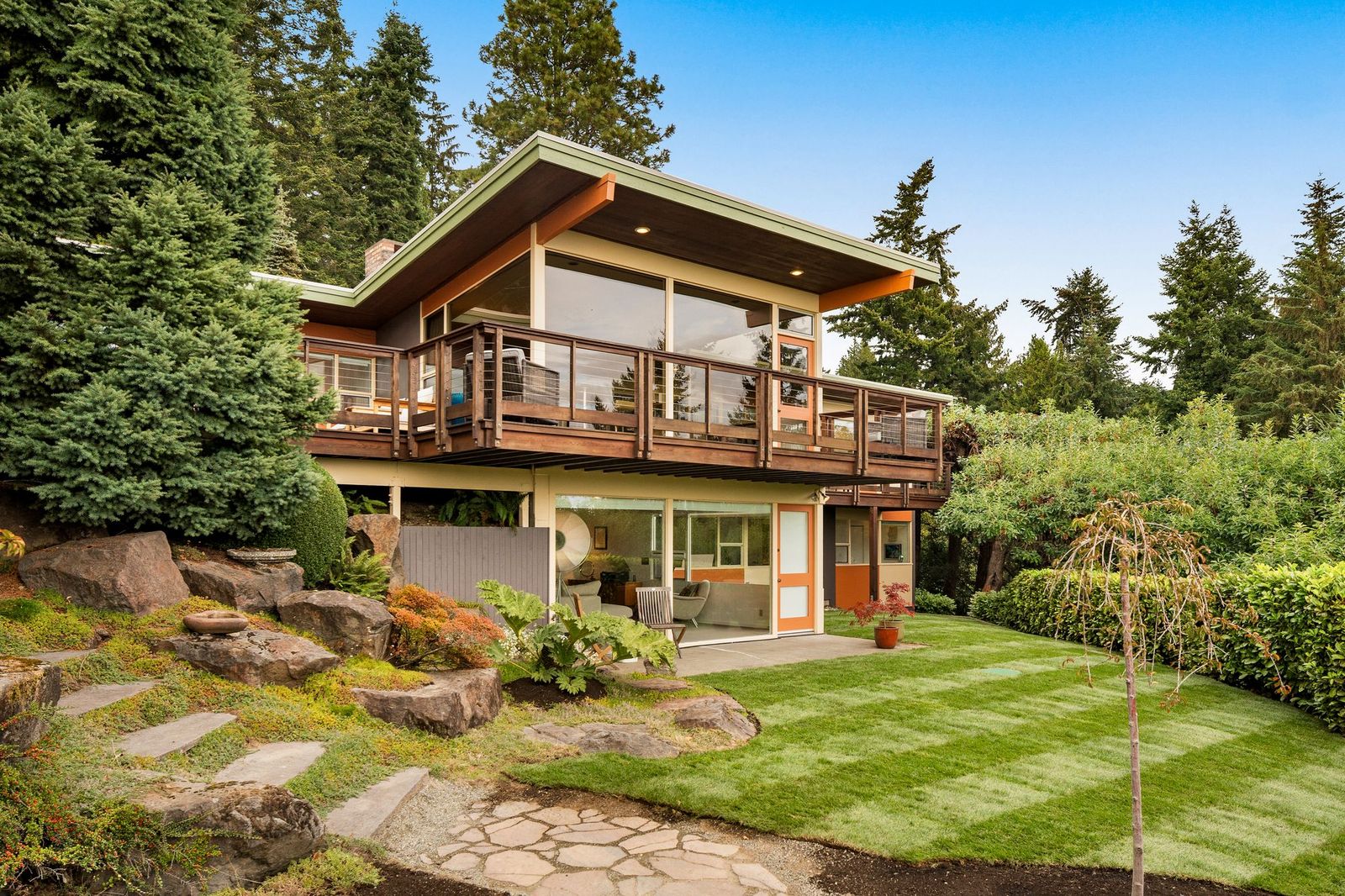
For instance, a living wall in a living room doesn’t just serve as a striking visual centerpiece; it also improves air quality, regulates humidity, and introduces a dynamic, ever-changing element into the space. Similarly, large windows that frame views of outdoor landscapes can create a sense of expansiveness, blurring the boundaries between the indoors and the natural world. These elements are not just decorative—they are functional, contributing to a home’s ability to support mental and physical health.
Beyond Aesthetics: The Emotional and Psychological Impact
The true power of biophilic design lies in its ability to evoke emotion and shape our psychological well-being. Spaces that incorporate natural elements have been shown to lower cortisol levels, the hormone associated with stress, while simultaneously boosting serotonin, the neurotransmitter linked to happiness and relaxation. This emotional resonance is what transforms a house into a home—a place where one can truly unwind, recharge, and feel at peace.
Consider the impact of a bedroom designed with biophilic principles in mind. Soft, diffused lighting that mimics the golden hues of a sunset, bedding made from organic cotton or linen, and the gentle sound of a tabletop fountain can create a multisensory experience that lulls the mind into a state of tranquility. Even the scent of essential oils derived from plants, such as lavender or eucalyptus, can enhance the sensory experience, making the space feel like a retreat from the chaos of the outside world. These thoughtful details work in harmony to create an environment that supports restorative sleep and emotional balance.
Cultural and Personal Narratives in Biophilic Design
Biophilic design is not a one-size-fits-all solution; it is deeply personal and can be tailored to reflect individual identities, cultural heritage, and lifestyle needs. For example, a homeowner with roots in a tropical climate might incorporate lush, verdant plants, bamboo textures, and vibrant colors reminiscent of their homeland. In contrast, someone from a desert region might opt for earthy tones, natural stone, and minimalist greenery to evoke the serene beauty of their native landscape. By integrating these cultural narratives, biophilic design becomes a powerful tool for storytelling, allowing spaces to reflect the unique journeys and experiences of their inhabitants.
Moreover, biophilic design can be adapted to suit different lifestyles. A busy professional might benefit from a home office designed with natural light and greenery to enhance focus and productivity, while a family with young children could create a playful, nature-inspired playroom that stimulates creativity and imagination. The flexibility of biophilic principles ensures that they can be applied to any space, regardless of size, style, or function.
Sustainability and Conscious Material Selection
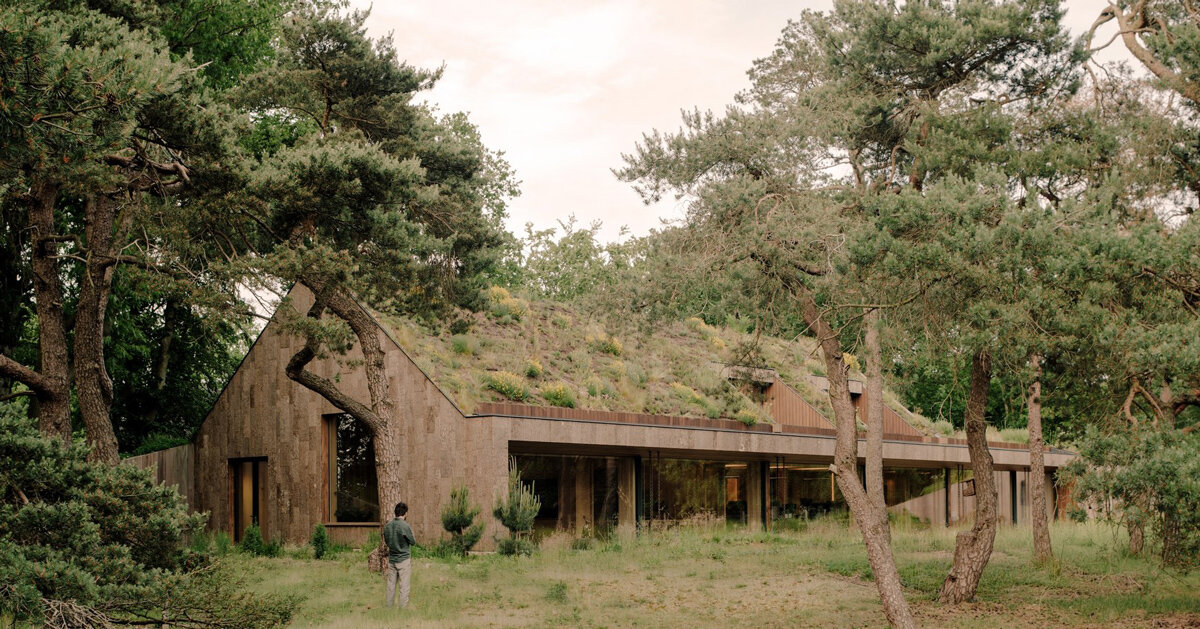
At its core, biophilic design is inherently sustainable. By prioritizing natural, renewable, and locally sourced materials, it reduces the environmental impact of construction and interior design. Reclaimed wood, cork, stone, and bamboo are just a few examples of materials that not only bring the beauty of nature indoors but also minimize the carbon footprint of a home. Additionally, biophilic design often aligns with passive design strategies, such as maximizing natural ventilation and daylight, which further enhance a home’s energy efficiency.
Conscious material selection also extends to the finishes and furnishings used in a space. Non-toxic paints, organic fabrics, and sustainably harvested wood ensure that the air quality within the home remains healthy, free from harmful chemicals that can off-gas over time. This commitment to sustainability is not just an environmental responsibility—it is a way of honoring the natural world and creating spaces that are in harmony with the planet.
The Future of Biophilic Design: Technology and Innovation
As technology continues to advance, so too does the potential for biophilic design to evolve. Digital innovations, such as smart lighting systems that mimic the natural progression of daylight or virtual reality experiences that simulate immersive natural environments, are pushing the boundaries of what is possible. Imagine a home where the lighting adjusts automatically to match the circadian rhythm of its inhabitants, or where a digital fireplace provides the warmth and ambiance of a real fire without the environmental impact. These technologies are not replacing nature but rather enhancing our ability to integrate its benefits into modern living.
Another exciting development is the use of digital twin interior modeling, which allows designers to create virtual replicas of a space to test and refine biophilic elements before implementation. This technology enables homeowners to visualize how different natural elements—such as a water feature or a specific plant species—will interact with their space, ensuring that the final design is both functional and emotionally resonant.
Creating a Holistic Home Ecosystem
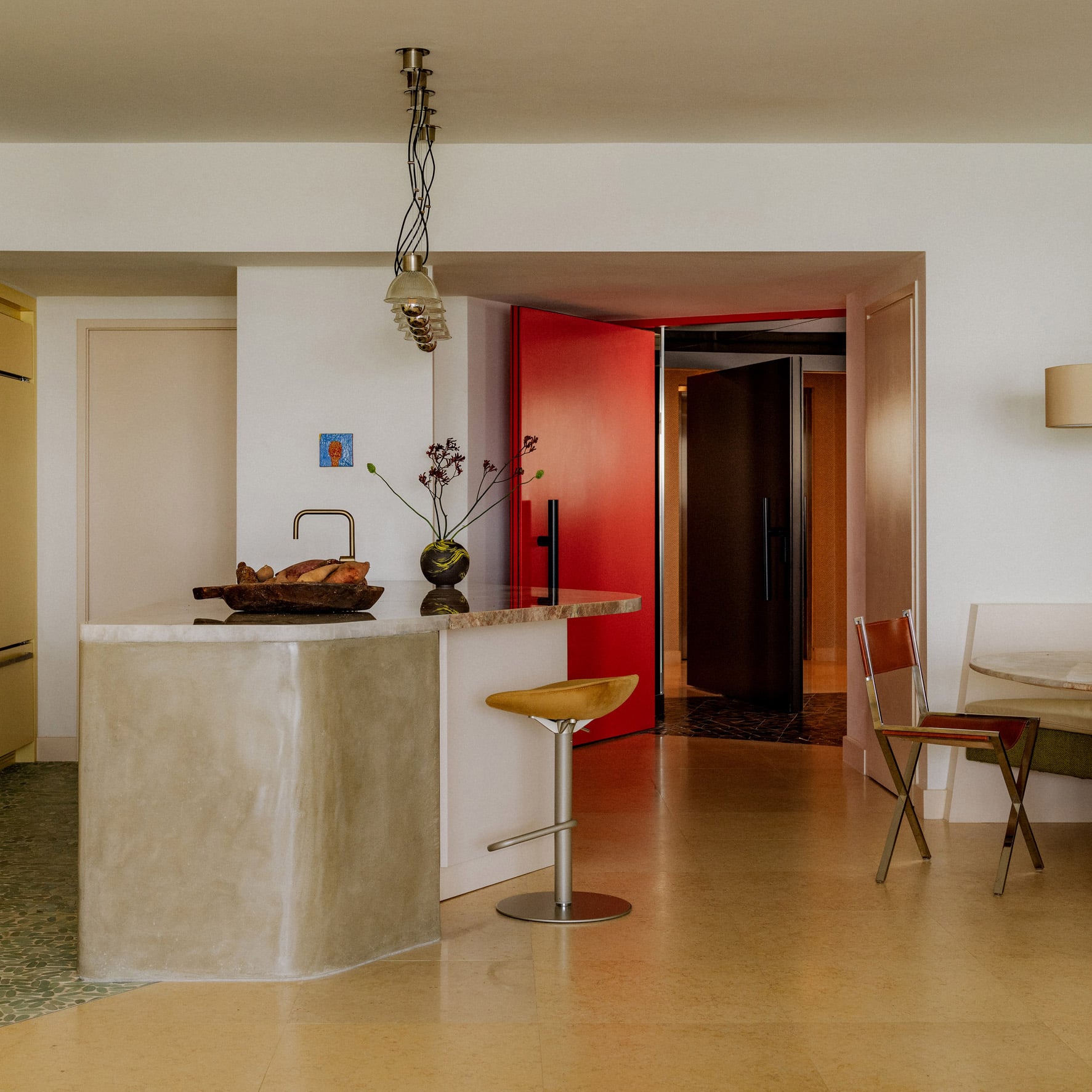
Biophilic design is not just about adding a few plants or a water feature to a room; it is about creating a holistic ecosystem that engages all the senses and fosters a deep, intuitive connection with nature. This means considering the flow of energy within a space, the way light moves throughout the day, and how different textures and materials interact to create a cohesive, immersive experience. For example, a kitchen designed with biophilic principles might feature a countertop made from reclaimed wood, open shelving to display fresh herbs, and a large window that frames a view of a garden. Every element is carefully chosen to create a space that feels alive, vibrant, and in tune with the natural world.
Incorporating biophilic design into modern homes is more than a trend—it is a return to our roots, a reconnection with the natural world that sustains us. As we continue to navigate the complexities of modern life, these spaces offer a refuge, a place where we can slow down, breathe deeply, and remember what it means to feel truly alive. The quiet revolution of biophilic design is not just changing the way we live; it is redefining what it means to feel at home in the world.