Bespoke Residential Environments: Crafting Homes That Reflect Individual Identity and Lifestyle
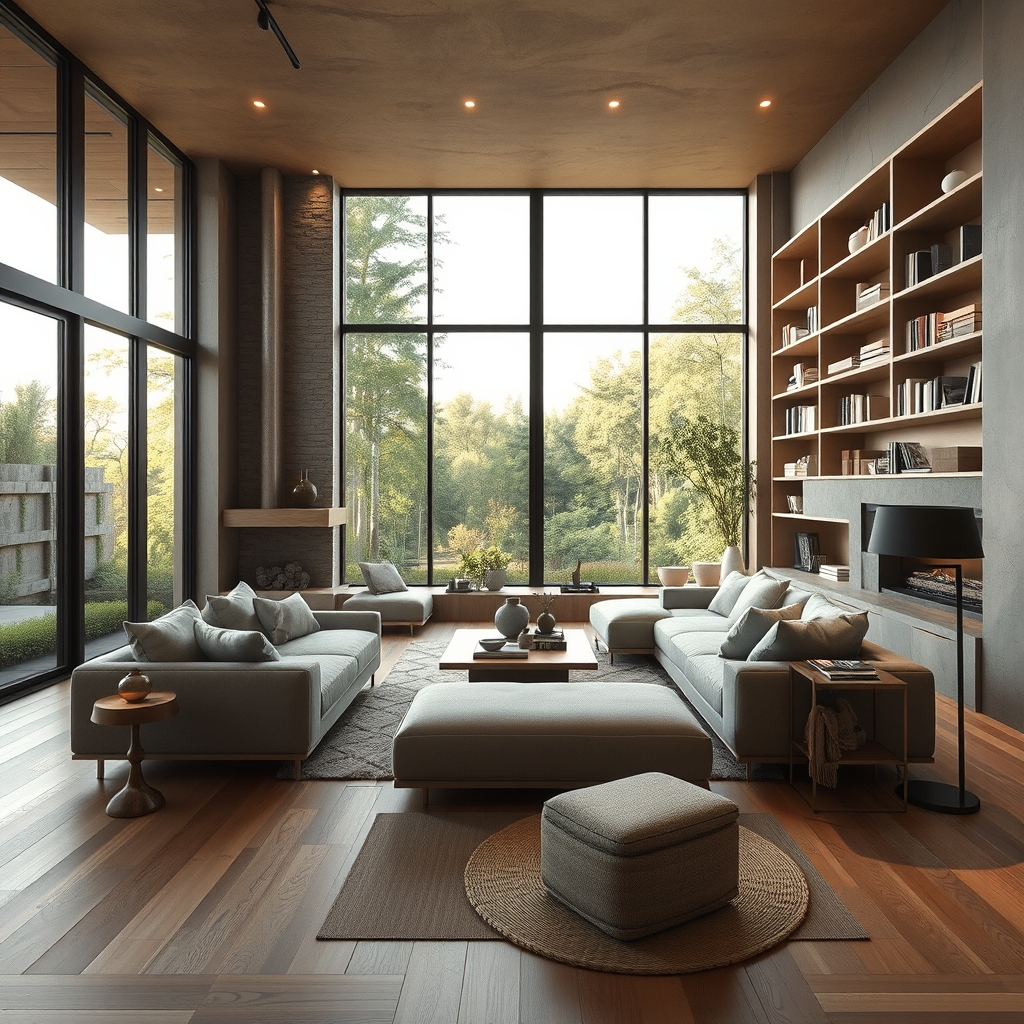
In an era where personalization is not just a luxury but an expectation, the concept of bespoke residential environments is reshaping the way we think about home design. No longer confined to cookie-cutter layouts or fleeting trends, modern homes are evolving into deeply personal sanctuaries that reflect the unique identities, values, and lifestyles of their inhabitants. This shift toward individualized design is not merely about aesthetics; it’s about creating spaces that resonate on a psychological and emotional level, fostering a sense of belonging and well-being that mass-produced designs simply cannot achieve.
The Philosophy Behind Bespoke Residential Design
At its core, bespoke residential design is rooted in the belief that a home should be an extension of the self. Unlike traditional design approaches that prioritize functionality or visual appeal alone, bespoke environments are crafted through a collaborative process that places the homeowner’s narrative at the forefront. This philosophy aligns closely with human-centric architecture, where the focus is on understanding the occupant’s habits, preferences, and even their subconscious needs. The result is a living space that doesn’t just house a person but actively enhances their daily life.
Designers and architects working within this framework often employ co-creative design processes, engaging clients in every stage of the journey—from conceptualization to execution. This collaborative approach ensures that the final design is not just a reflection of the designer’s vision but a true embodiment of the homeowner’s personality. Whether it’s a minimalist loft that prioritizes open space and natural light or a cozy cottage filled with heirloom furniture and artisanal details, bespoke environments are as diverse as the people who inhabit them.
Integrating Adaptive Living Spaces for Dynamic Lifestyles
One of the most compelling aspects of bespoke residential design is its ability to adapt to the ever-changing needs of modern life. Adaptive living spaces are a cornerstone of this approach, offering flexibility that traditional layouts often lack. For example, a home office might double as a guest room, or a living area could be reconfigured to accommodate a growing family or a new hobby. This fluidity is achieved through thoughtful spatial planning, modular furniture, and smart home technologies that allow the environment to evolve alongside its occupants.
Interactive interior planning tools, such as digital twin interior modeling, have revolutionized the way adaptive spaces are designed. These technologies enable homeowners and designers to visualize and test different layouts, materials, and configurations in a virtual environment before any physical changes are made. This not only streamlines the design process but also ensures that the final space is optimized for both functionality and emotional resonance. The ability to simulate real-world scenarios—such as how natural light will interact with a room at different times of day or how a space will feel when filled with furniture—empowers homeowners to make informed decisions that align with their lifestyle.
The Role of Sensory and Biophilic Elements
Bespoke residential environments also prioritize sensory interior design, creating spaces that engage all five senses to evoke specific emotions and enhance well-being. This might involve the use of textured fabrics that invite touch, the incorporation of natural scents like lavender or eucalyptus, or the strategic placement of sound-absorbing materials to create a tranquil auditory environment. Lighting, too, plays a crucial role, with layered lighting schemes that can be adjusted to suit different moods and activities.
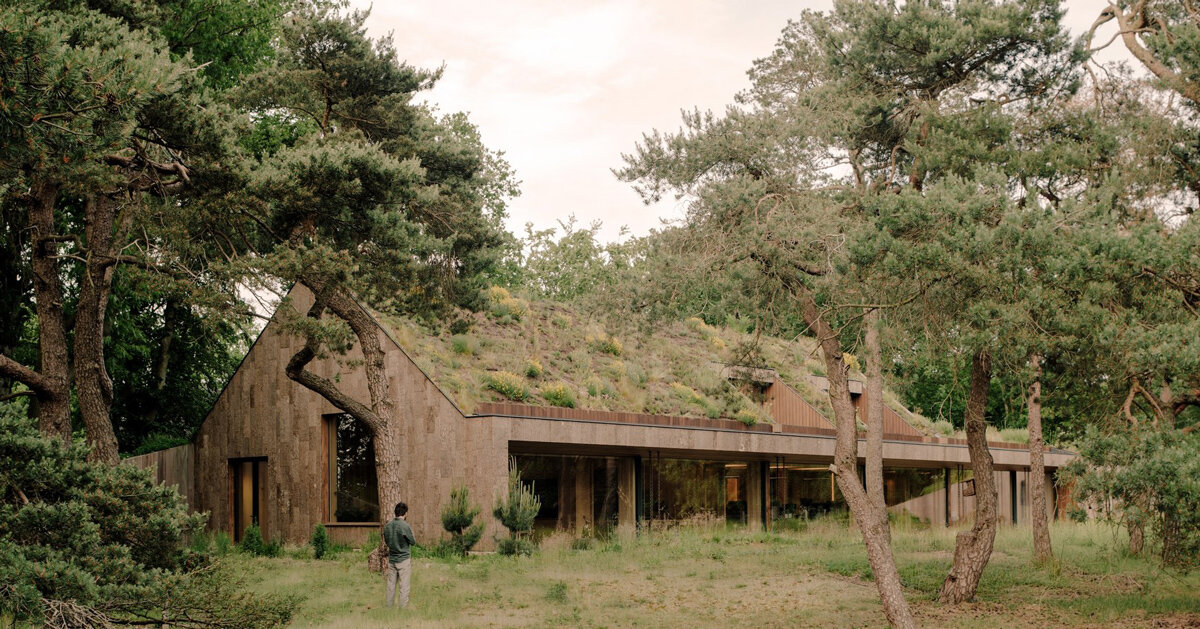
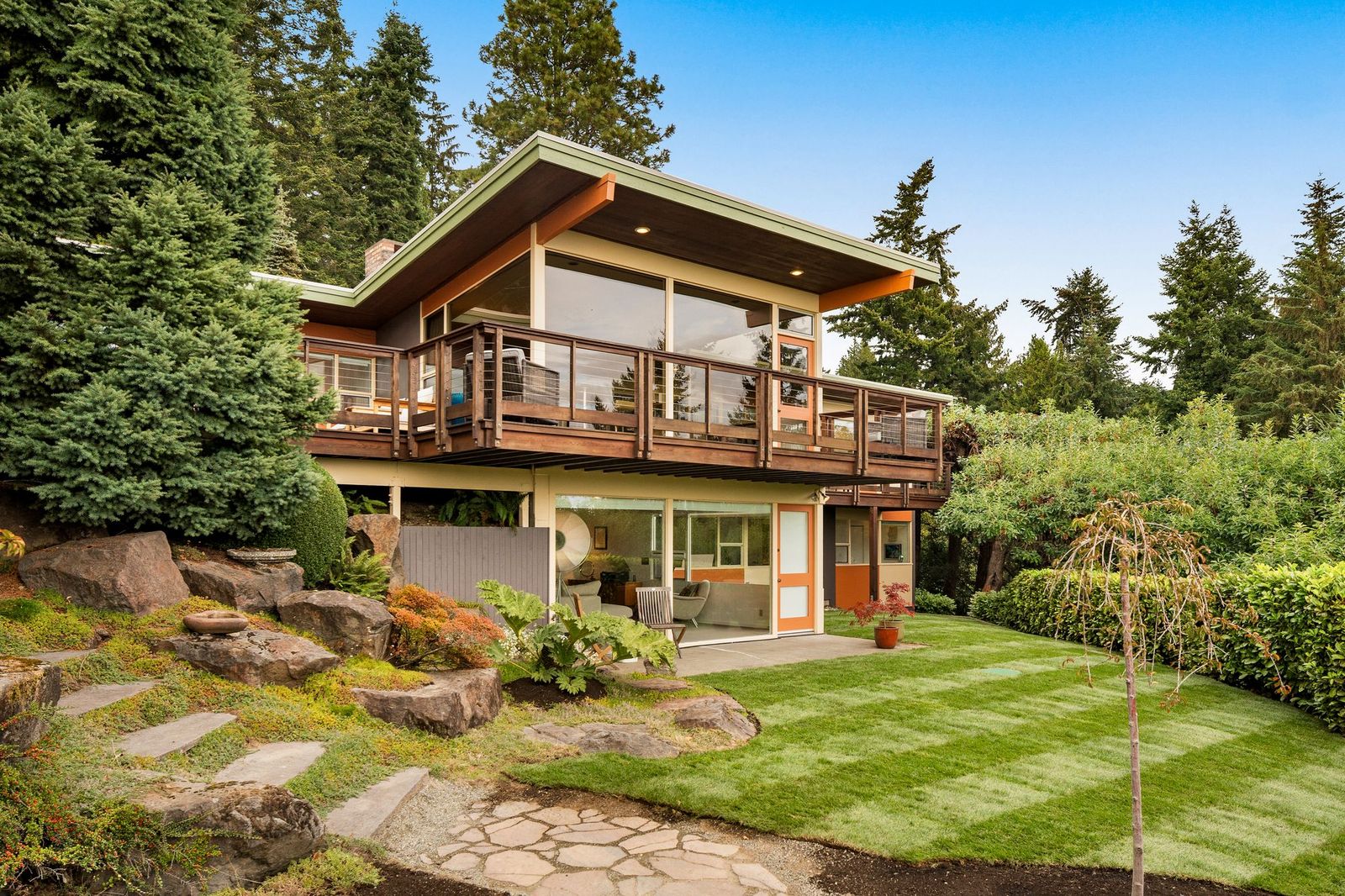
Biophilic design integration is another key component of bespoke environments, as it fosters a deeper connection between the indoors and the natural world. This can be achieved through the use of natural materials like wood and stone, the incorporation of indoor plants, or the design of spaces that maximize views of the outdoors. Research has shown that biophilic elements can reduce stress, improve cognitive function, and enhance overall well-being, making them a valuable addition to any personalized home design.
Conscious Material Selection and Sustainable Styling
Sustainability is no longer an afterthought in home design; it’s a fundamental consideration, especially in bespoke residential environments. Conscious material selection involves choosing materials that are not only aesthetically pleasing but also environmentally responsible and ethically sourced. This might include reclaimed wood, recycled metals, or low-VOC paints that contribute to healthier indoor air quality. Sustainable home styling goes beyond materials, encompassing energy-efficient appliances, water-saving fixtures, and even passive design strategies that reduce a home’s carbon footprint.
For homeowners who value both style and sustainability, bespoke design offers the opportunity to create a space that aligns with their environmental values without compromising on beauty or comfort. For instance, a kitchen might feature countertops made from recycled glass, while a living room could incorporate furniture crafted from sustainably harvested timber. These choices not only reduce the home’s environmental impact but also add a layer of authenticity and meaning to the space.
The Future of Bespoke Residential Environments
As technology continues to advance, the possibilities for bespoke residential design are expanding in exciting ways. Smart home experience design, for example, is making it easier than ever to create environments that respond to the needs of their occupants in real time. Imagine a home that adjusts its lighting, temperature, and even scent based on the time of day or the mood of its inhabitants. These innovations are not just about convenience; they’re about creating homes that are truly in sync with the people who live in them.
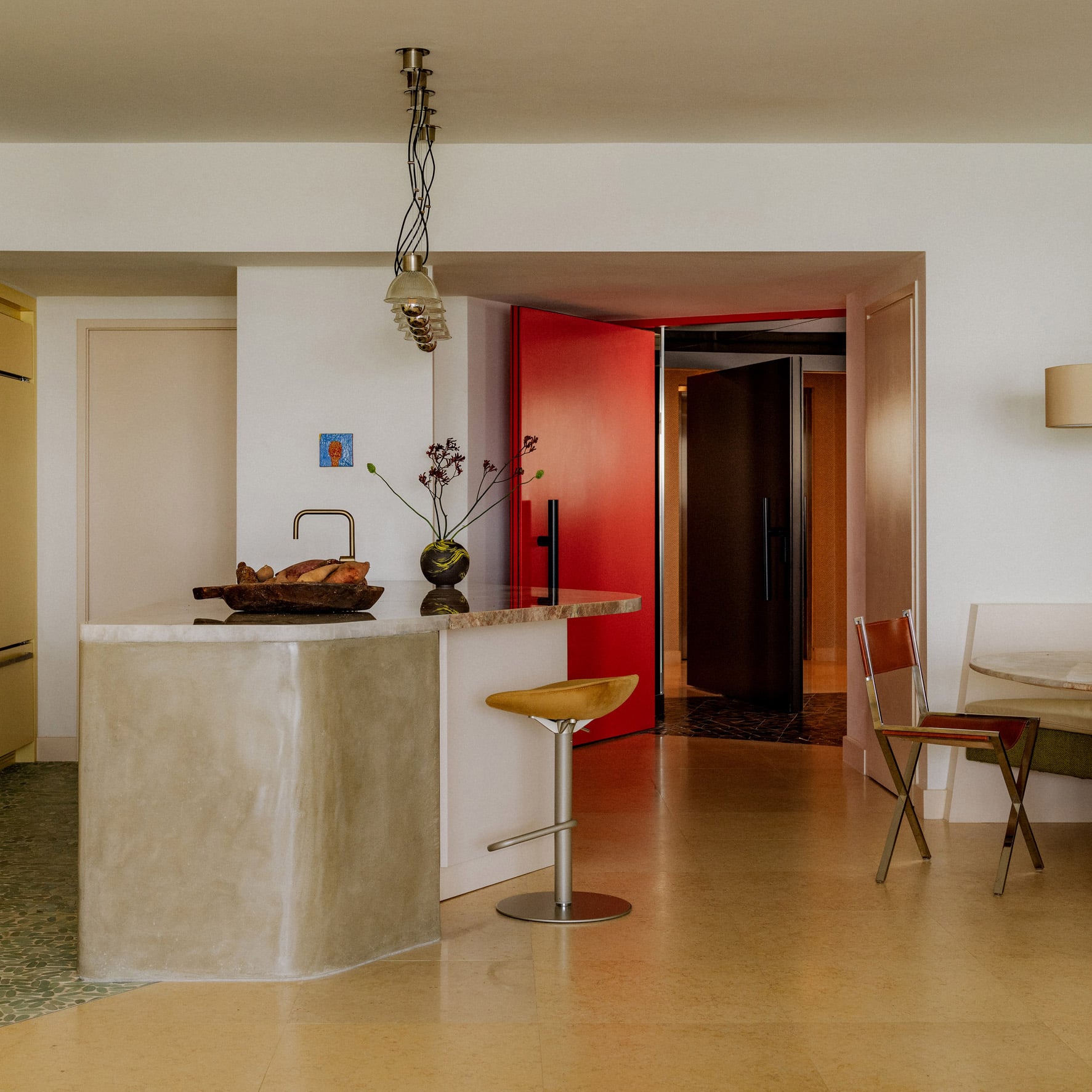
At the same time, the rise of cultural narrative interiors is adding a new dimension to bespoke design. Homes are increasingly being designed to tell a story—whether it’s through the incorporation of art, textiles, or architectural details that reflect the homeowner’s heritage or travels. This trend underscores the idea that a home is more than just a physical space; it’s a canvas for self-expression and a repository of memories.
The journey toward creating a bespoke residential environment is one of discovery, collaboration, and intentionality. It’s about moving beyond the superficial to craft spaces that are not only beautiful but also deeply meaningful. In a world where individuality is celebrated, the homes we inhabit should be no exception—each one a unique reflection of the lives lived within its walls, evolving and adapting as those lives unfold. The true essence of bespoke design lies not in its exclusivity but in its ability to make every homeowner feel seen, understood, and truly at home.