The Future of Living: How Human-Centric Architecture is Redefining Home Spaces
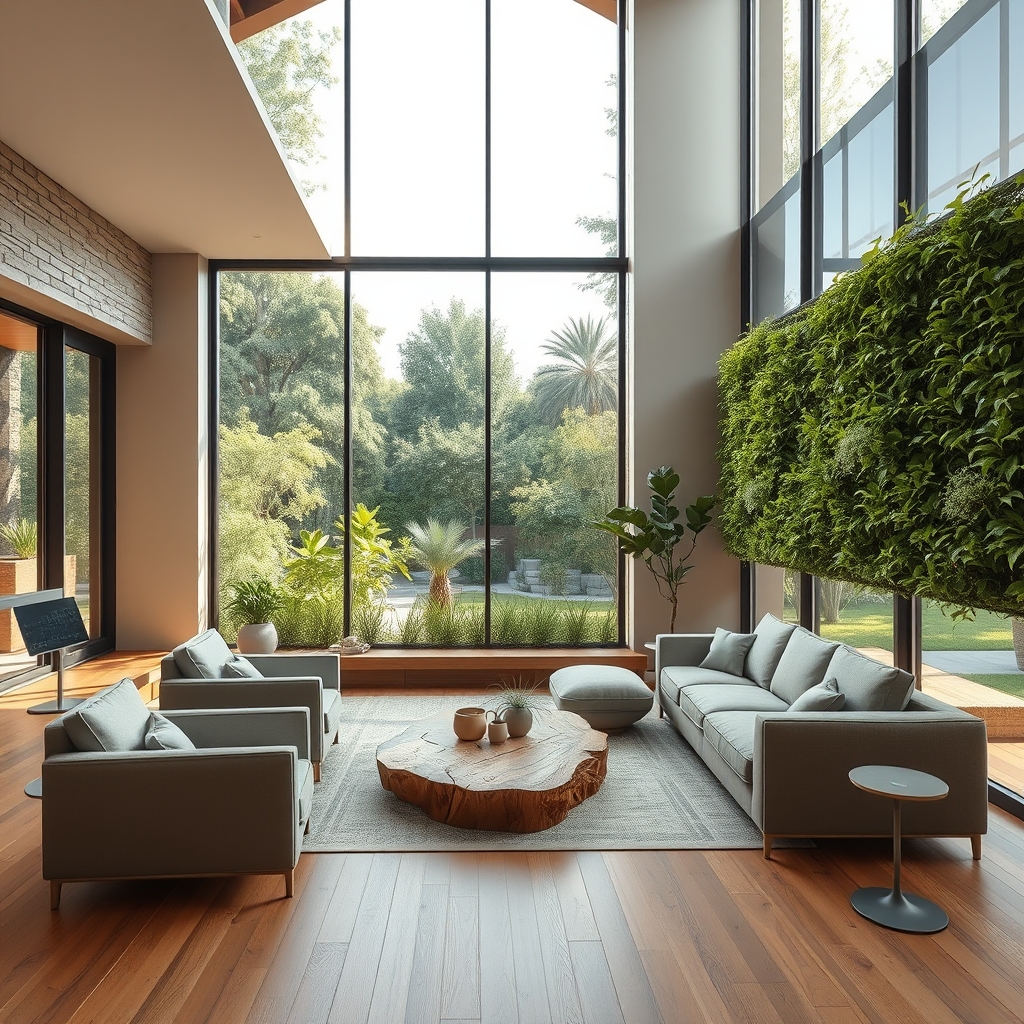
The concept of home has evolved far beyond mere shelter. Today, it is a dynamic canvas where architecture, psychology, and technology converge to create environments that nurture well-being, adapt to individual needs, and foster emotional connections. Human-centric architecture is at the forefront of this transformation, blending innovative design principles with a deep understanding of how spaces influence our moods, behaviors, and overall quality of life. As we reimagine living spaces, the focus shifts from static structures to immersive, sensory-rich environments that respond to the rhythms of daily life.
The Psychology Behind Space
Every room tells a story, and the most compelling ones are those that resonate with the people who inhabit them. Psychological space optimization is a cornerstone of human-centric design, where the layout, lighting, and even the acoustics of a space are meticulously crafted to evoke specific emotional responses. For instance, warm, diffused lighting in a living room can create a sense of intimacy and relaxation, while open, airy layouts in workspaces can enhance focus and creativity. Research in environmental psychology suggests that our surroundings can significantly impact stress levels, productivity, and even social interactions. By designing spaces that align with these insights, architects and interior designers can create homes that are not just functional but also emotionally supportive.
Biophilic Design: Bringing Nature Indoors
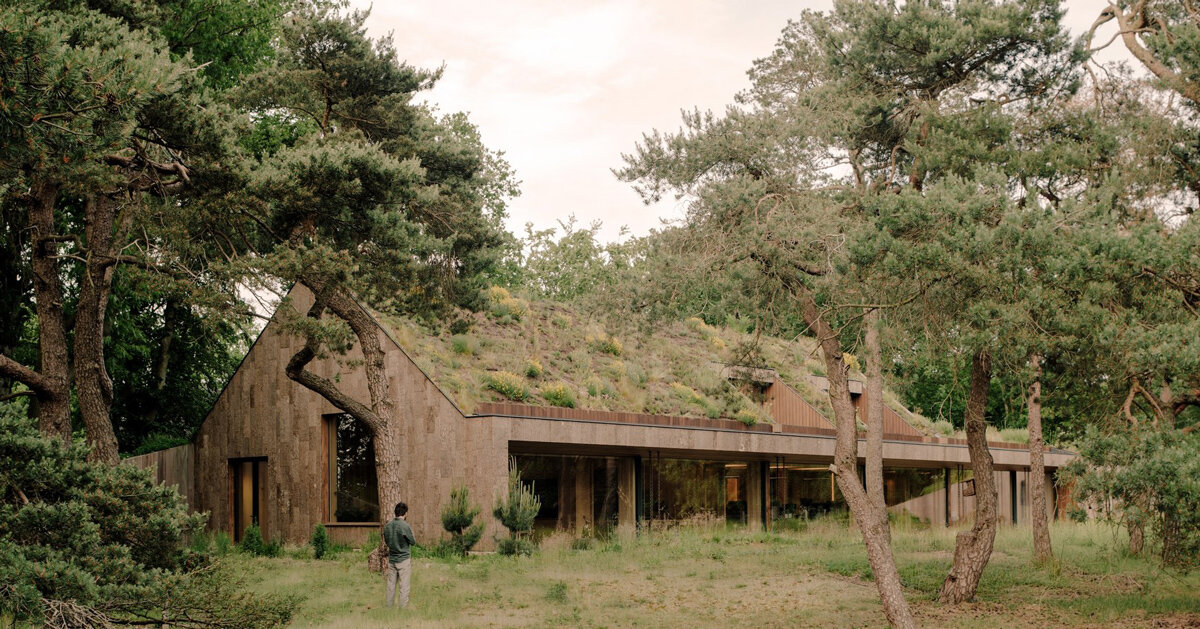
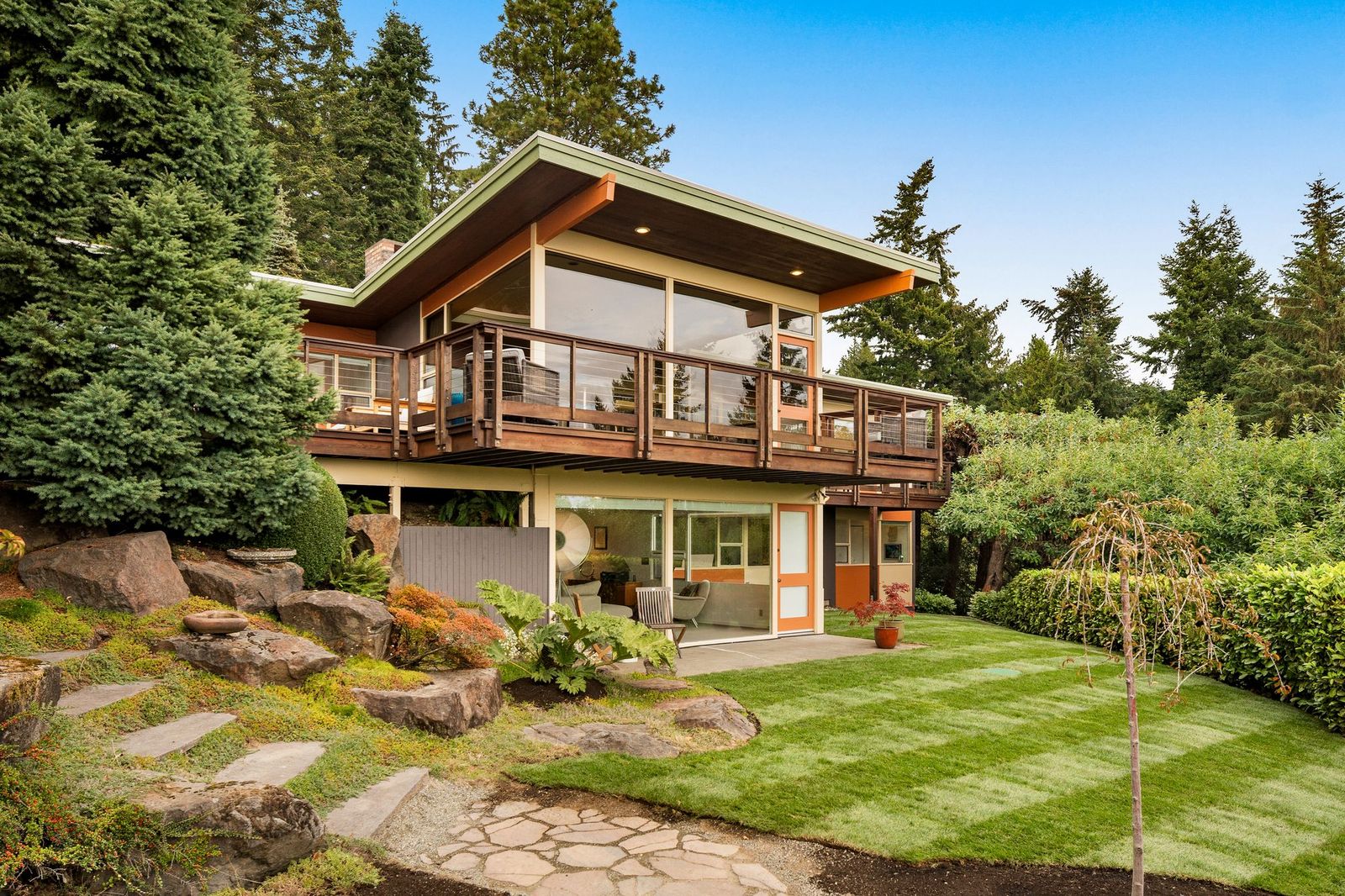
One of the most powerful trends in modern interior design is biophilic design integration, which seeks to reconnect occupants with the natural world. This approach goes beyond adding a few potted plants; it involves incorporating natural materials, textures, and patterns that mimic the outdoors. Think of living walls covered in lush greenery, large windows that frame scenic views, or the use of wood and stone to create a tactile, organic feel. Studies have shown that biophilic elements can reduce stress, improve cognitive function, and even accelerate healing. In a world where urbanization often disconnects us from nature, these design choices serve as a vital bridge, fostering a sense of tranquility and balance within the home.
Adaptive Living: Spaces That Evolve With You
The static home of the past is giving way to adaptive living spaces that can transform to meet changing needs. Whether it’s a growing family, a shift to remote work, or the desire for multi-functional areas, flexible living solutions are becoming essential. Modular furniture, movable partitions, and convertible rooms allow spaces to serve multiple purposes without sacrificing aesthetics or comfort. For example, a home office by day can effortlessly transition into a guest bedroom by night, or a living room can expand to accommodate a gathering of friends. This adaptability not only maximizes the utility of a space but also ensures that the home remains a relevant and supportive environment throughout different stages of life.
The Role of Technology in Smart Home Experience Design
Technology is no longer an afterthought in home design; it is an integral part of creating immersive spatial experiences. Smart home experience design leverages automation, artificial intelligence, and the Internet of Things (IoT) to enhance convenience, security, and energy efficiency. Imagine a home where lighting adjusts automatically based on the time of day, where climate control systems learn your preferences, or where voice-activated assistants help manage daily tasks. Beyond functionality, technology can also personalize spaces in ways that were once unimaginable. Digital twin interior modeling, for instance, allows homeowners to visualize and experiment with different layouts, materials, and color schemes before making any physical changes. This co-creative design process empowers individuals to shape their environments in ways that reflect their unique identities and lifestyles.
Sustainability as a Design Philosophy
As awareness of environmental issues grows, sustainable home styling is becoming a non-negotiable aspect of modern design. Conscious material selection plays a pivotal role in this movement, with designers opting for eco-friendly, non-toxic, and ethically sourced materials. Bamboo, reclaimed wood, recycled metals, and low-VOC paints are just a few examples of how sustainability can be seamlessly integrated into interior design. Beyond materials, energy-efficient appliances, solar panels, and water-saving fixtures contribute to a home’s ecological footprint. Sustainable design is not just about reducing harm to the planet; it’s about creating spaces that promote health and well-being for both occupants and the environment. When a home is designed with sustainability in mind, it becomes a testament to the idea that beauty and responsibility can coexist.
Cultural Narratives and Personalized Interiors
A home should be a reflection of the people who live in it, and cultural narrative interiors celebrate this idea by weaving personal stories, traditions, and heritage into the design. Whether it’s through artwork, textiles, or architectural elements, these spaces tell a story that is uniquely meaningful to the occupants. For example, a family with roots in Japan might incorporate shoji screens and tatami mats into their home, while someone with a love for Scandinavian design might opt for minimalist furniture and a neutral color palette. Personalized interior concepts go beyond aesthetics; they create a sense of belonging and identity. By embracing cultural narratives, designers can create spaces that are not only visually stunning but also deeply resonant on a personal level.
The Minimalist Lifestyle: Less Clutter, More Meaning
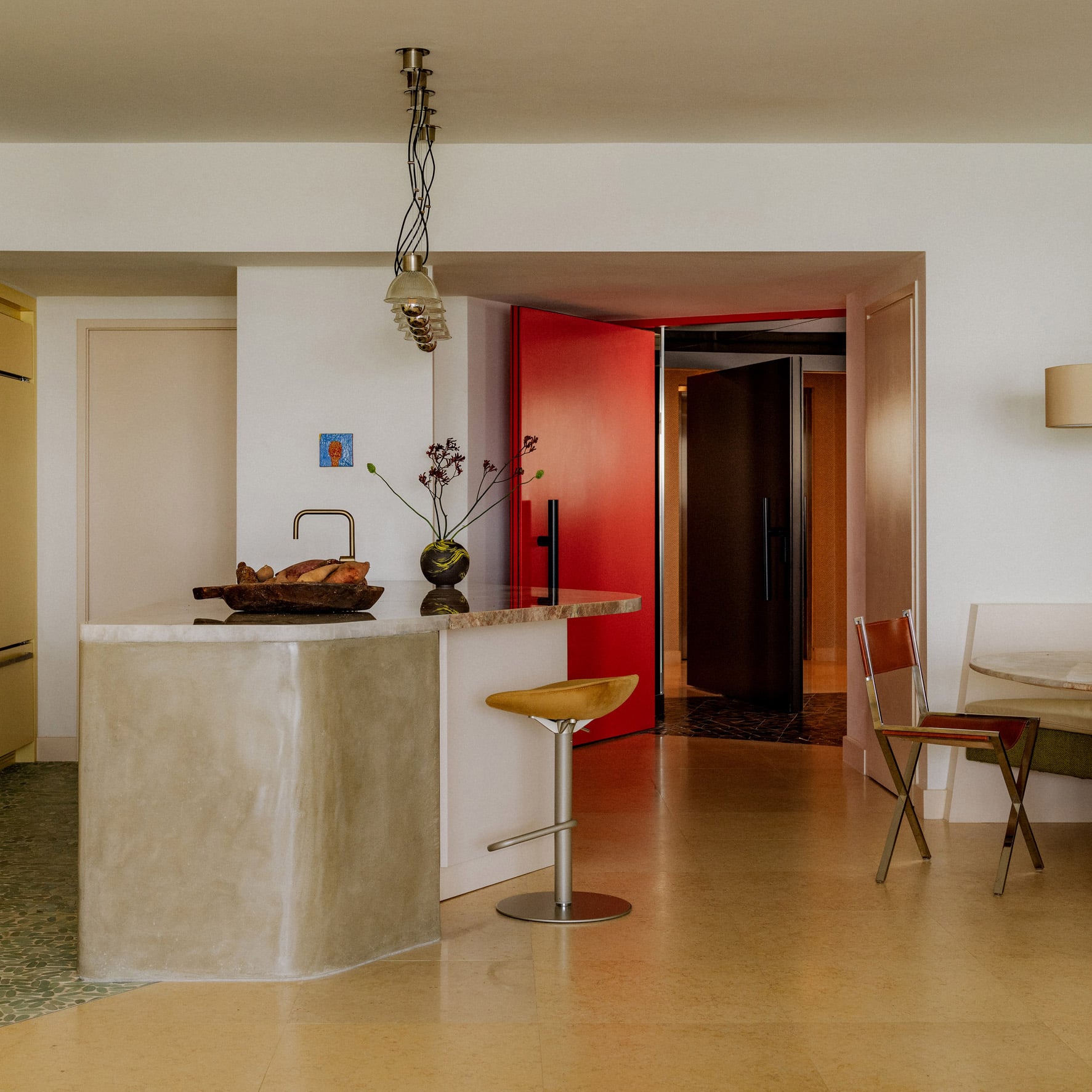
In a world overflowing with possessions, minimalist lifestyle design offers a refreshing alternative. This approach prioritizes simplicity, functionality, and intentionality, stripping away the excess to focus on what truly matters. Minimalist interiors are characterized by clean lines, uncluttered spaces, and a neutral color palette, but the philosophy extends beyond aesthetics. It’s about curating a home that supports a mindful, purposeful way of living. By reducing physical clutter, minimalist design can also alleviate mental clutter, creating a sense of calm and clarity. This doesn’t mean sacrificing comfort or personality; rather, it’s about making deliberate choices that enhance the quality of life. A minimalist home is one where every object has a purpose, every space serves a function, and the overall environment feels harmonious and serene.
As we look to the future, the homes we create will increasingly blur the lines between architecture, technology, and human experience. The most successful designs will be those that prioritize the well-being of occupants, adapt to their evolving needs, and reflect their unique identities. In this new era of living, a home is no longer just a place to reside; it is a living, breathing entity that nurtures the mind, body, and soul. The spaces we inhabit shape who we are, and by designing with intention, we can create environments that inspire, comfort, and empower us in ways we are only beginning to understand.