
The Essence of Modern Living: Crafting Spaces That Breathe Simplicity and Sophistication
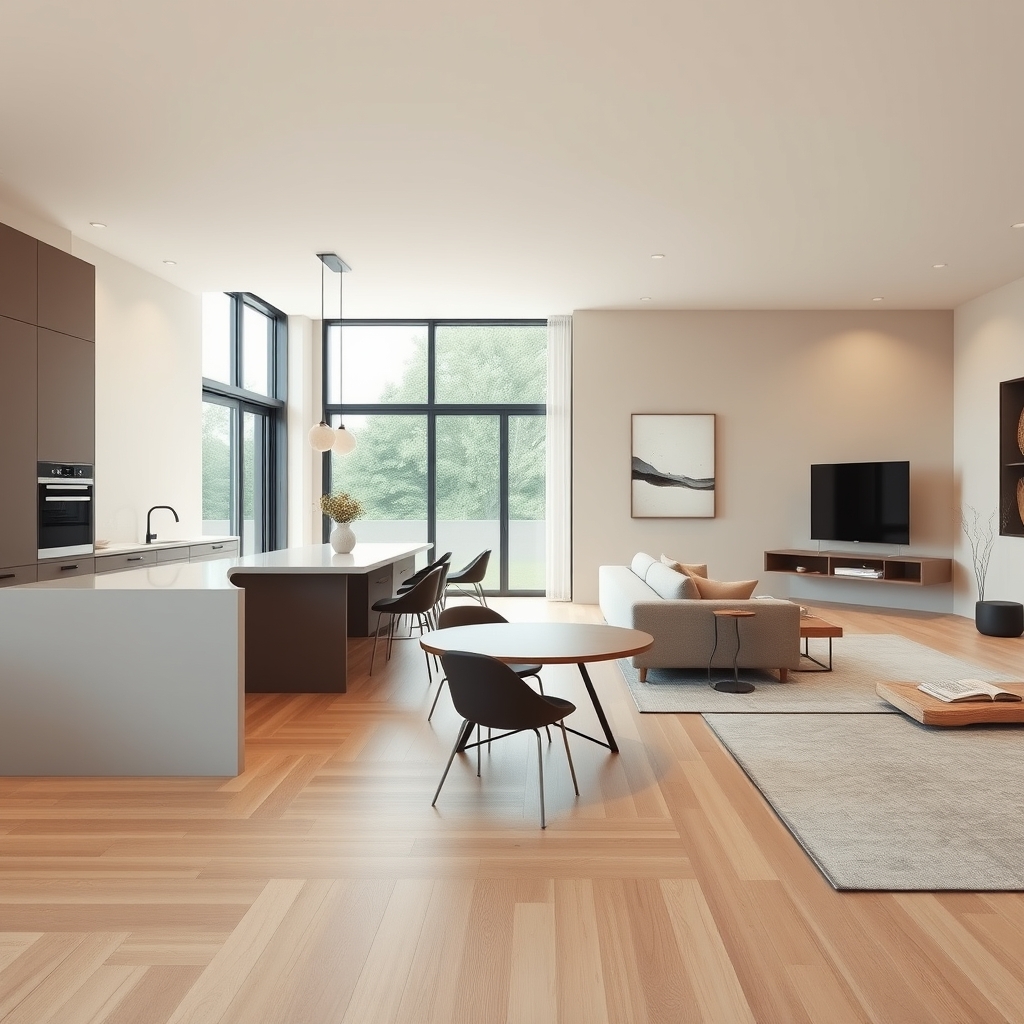
In an era where the lines between work, leisure, and personal growth increasingly blur, the spaces we inhabit must do more than just shelter us—they must inspire, adapt, and elevate our daily experiences. Modern home design has evolved beyond mere aesthetics to embrace a philosophy where simplicity and sophistication coexist, creating environments that are as functional as they are beautiful. This approach is not about stripping away personality or warmth but about distilling a space to its most essential elements, allowing it to breathe and evolve with the people who live within it.
The Philosophy of Less, But Better
At the heart of modern living lies the principle of “less, but better.” This isn’t a call for stark, empty rooms but an invitation to thoughtfully curate each element within a space. Every piece of furniture, every material, and every color should serve a purpose, whether functional, emotional, or aesthetic. For instance, a minimalist living room might feature a sleek, low-profile sofa in a neutral tone, paired with a single statement coffee table crafted from reclaimed wood. The absence of clutter doesn’t equate to a lack of character; instead, it allows the quality and craftsmanship of each piece to shine.
This philosophy extends to the materials used in modern homes. Natural, sustainable materials like bamboo, cork, and reclaimed wood are not only eco-friendly but also add warmth and texture to a space. Pairing these with industrial elements like steel, glass, or concrete creates a harmonious balance between the organic and the man-made, resulting in a look that is both timeless and contemporary.
Open Concept Living: A Symphony of Space and Light
One of the most defining trends in modern home design is the open concept layout. By removing unnecessary walls and barriers, open concept living creates a sense of flow and connectivity between different areas of the home. This design choice is particularly effective in smaller spaces, where it can make a room feel larger and more inviting. However, the key to successful open concept living lies in defining distinct zones without compromising the overall sense of openness.
For example, a kitchen, dining area, and living room can seamlessly blend into one another while maintaining their individual identities. A large island or a strategically placed rug can delineate the kitchen from the dining space, while a change in flooring material or ceiling height can subtly separate the living area. Lighting also plays a crucial role in open concept design. Layered lighting—combining ambient, task, and accent lighting—can create depth and dimension, ensuring each zone feels intentional and cohesive.
Smart Technology: The Invisible Backbone of Modern Homes
No discussion of modern home design would be complete without addressing the role of smart technology. Today’s homes are more connected than ever, with technology seamlessly integrated into every aspect of daily life. From smart thermostats that learn your preferences to lighting systems that adjust based on the time of day, these innovations are designed to enhance comfort, convenience, and energy efficiency—all while remaining unobtrusive.
One of the most exciting advancements in smart home technology is the rise of voice-controlled assistants and automated systems. Imagine walking into your home and having the lights adjust to your preferred brightness, the temperature set to your ideal level, and your favorite playlist start playing—all without lifting a finger. These systems can also be programmed to enhance security, with smart locks, cameras, and motion sensors providing peace of mind whether you’re at home or away.
However, the integration of smart technology should never come at the expense of aesthetics. The best modern homes are those where technology is invisible, blending seamlessly into the design. For instance, wireless charging stations can be built into furniture, and smart speakers can be disguised as decorative objects. The goal is to create a home that feels intuitive and effortless, where technology enhances rather than dominates the living experience.
Sustainability: Designing for the Future
As awareness of environmental issues grows, so too does the demand for sustainable home design. Modern homes are increasingly being built with eco-conscious materials and energy-efficient systems that reduce their carbon footprint without sacrificing style or comfort. Solar panels, for example, are no longer an eyesore but a sleek addition to a home’s roof, while energy-efficient windows and insulation help maintain a comfortable indoor climate year-round.
Sustainable design also extends to the choices we make in our interiors. Furniture made from recycled or upcycled materials, non-toxic paints, and water-saving fixtures are just a few ways to create a home that is as kind to the planet as it is to its inhabitants. Even small changes, like incorporating indoor plants or using natural fibers for textiles, can make a significant difference in creating a healthier, more sustainable living environment.
The Art of Small Space Design
With urban living on the rise, small space design has become a critical aspect of modern home design. The challenge lies in creating a space that feels open, functional, and stylish, despite its limited square footage. The key is to maximize every inch of space while maintaining a sense of airiness and flow.
Multi-functional furniture is a game-changer in small spaces. A sofa that transforms into a bed, a dining table that folds down from the wall, or a storage ottoman that doubles as seating can all help to make a small space feel larger and more versatile. Vertical space is also often underutilized in small homes. Wall-mounted shelves, hanging planters, and tall, narrow storage units can draw the eye upward, creating the illusion of height and adding much-needed storage.
Light colors and mirrors are another effective way to make a small space feel larger. Pale walls and floors reflect more light, making a room feel brighter and more open, while strategically placed mirrors can create the illusion of depth. Finally, keeping clutter to a minimum is essential in small spaces. A well-organized home with plenty of storage solutions will always feel more spacious and inviting than one that is overcrowded with unnecessary items.
Outdoor Living: Extending the Home Beyond Four Walls
Modern home design isn’t confined to the interior—it extends to the outdoor spaces as well. Whether you have a sprawling backyard or a tiny balcony, creating an outdoor living area can significantly enhance your quality of life. These spaces serve as an extension of the home, providing a place to relax, entertain, and connect with nature.
For larger outdoor areas, consider creating distinct zones for different activities, such as dining, lounging, and gardening. A pergola or retractable awning can provide shade and define the space, while outdoor rugs, cushions, and lighting can add warmth and comfort. For smaller spaces, vertical gardens, foldable furniture, and multi-functional pieces can help maximize the area without sacrificing style.
Incorporating elements of biophilic design—such as water features, natural materials, and plenty of greenery—can further enhance the connection between indoor and outdoor spaces. This approach not only creates a more harmonious living environment but also promotes well-being by bringing the calming effects of nature into your daily life.
The essence of modern living lies in the ability to create spaces that are as adaptable as they are beautiful. By embracing simplicity, integrating smart technology, prioritizing sustainability, and extending the home beyond its four walls, we can craft environments that not only meet our needs but also inspire us to live more intentionally. Whether you’re renovating an existing space or building a new home from the ground up, the principles of modern design offer a roadmap to creating a home that is truly a reflection of who you are and how you want to live.



