The New Era of Smart Minimalism: Crafting Intelligent, Clutter-Free Homes for the Modern Age
The modern home is no longer just a place of shelter—it’s a dynamic ecosystem where technology, design, and lifestyle intersect. As urban living spaces shrink and our lives become increasingly digital, the demand for homes that are both intelligent and uncluttered has never been greater. Enter the era of smart minimalism, a design philosophy that merges the sleek, functional aesthetics of minimalism with the convenience and efficiency of cutting-edge smart home technology. This approach isn’t just about reducing physical clutter; it’s about creating spaces that are intuitive, adaptable, and effortlessly aligned with the rhythms of contemporary life.
The Philosophy Behind Smart Minimalism
At its core, smart minimalism is about intentionality. It challenges homeowners to question what they truly need in their living spaces and how technology can enhance—not complicate—their daily routines. Unlike traditional minimalism, which often focuses solely on aesthetics, smart minimalism prioritizes functionality without sacrificing style. The result is a home that feels spacious, serene, and seamlessly integrated with the tools that make life easier.
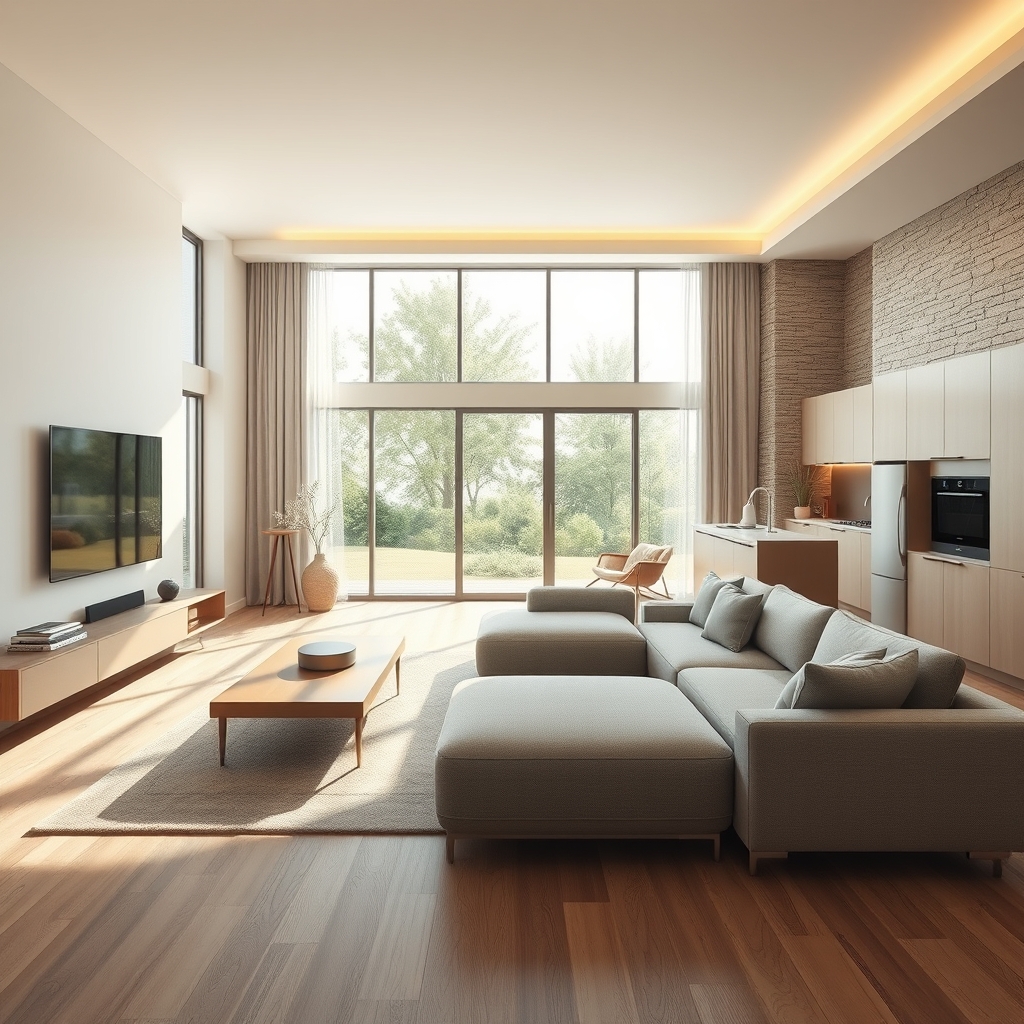
This philosophy is rooted in the idea that less can indeed be more—when done thoughtfully. For example, a minimalist living room might feature clean lines and a neutral color palette, but a smart minimalist living room takes it a step further by incorporating hidden speakers, automated lighting, and voice-controlled systems that blend into the design. The technology is present, but it doesn’t dominate the space; instead, it enhances the experience of living in it.
Key Elements of a Smart Minimalist Home
1. Integrated Smart Technology
The backbone of any smart minimalist home is its technology. However, the key is integration. Devices should work together harmoniously, controlled through a single ecosystem—whether it’s Apple HomeKit, Google Home, or Amazon Alexa. Smart thermostats, lighting, security systems, and even motorized window treatments can be programmed to respond to your habits, creating a home that adapts to you rather than the other way around.
For instance, imagine walking into your home after a long day. The lights adjust to a warm, dim glow, the thermostat sets to your preferred temperature, and your favorite playlist starts playing—all without lifting a finger. This level of automation doesn’t just add convenience; it reduces decision fatigue, allowing you to focus on what truly matters.
2. Hidden and Multi-Functional Storage
Clutter is the antithesis of minimalism, and smart minimalism takes storage solutions to the next level. Built-in cabinets, under-stair drawers, and wall-mounted shelves are just the beginning. The real innovation lies in hidden storage that doubles as functional design elements. Think of a coffee table with lift-top storage, a bed frame with built-in drawers, or even a kitchen island that conceals appliances when not in use.
These solutions are particularly valuable in small spaces, where every square inch counts. By eliminating visual clutter, they create a sense of calm and order, which is essential for mental well-being. After all, a home should be a sanctuary, not a source of stress.
3. Sustainable and Energy-Efficient Design
Smart minimalism isn’t just about aesthetics and convenience—it’s also about sustainability. Energy-efficient homes are a cornerstone of this philosophy, as they reduce waste and lower utility costs while aligning with modern environmental values. Solar panels, smart thermostats, and LED lighting are just a few examples of how technology can make a home more eco-friendly without compromising on style.
Additionally, sustainable materials like reclaimed wood, bamboo, and recycled metals can be incorporated into the design to create a space that’s both beautiful and responsible. The goal is to build a home that not only serves its inhabitants but also respects the planet.
4. Open and Adaptable Layouts
Gone are the days of rigid, compartmentalized floor plans. Smart minimalist homes embrace open-concept living, where spaces flow seamlessly into one another. This design choice not only makes a home feel larger but also encourages flexibility. A living room can double as a workspace, a dining area can transform into a home office, and a guest room can easily convert into a gym or hobby space.
To achieve this, furniture and decor should be modular and multi-functional. For example, a sofa with a pull-out bed, a dining table that extends for guests, or a room divider that doubles as a bookshelf. These elements allow the home to evolve with the needs of its inhabitants, making it a truly adaptable space.
Bringing Smart Minimalism to Life: Practical Tips
Adopting smart minimalism doesn’t require a complete home renovation—though it can certainly inspire one. Here are some practical steps to start integrating this philosophy into your space:
Start with a Decluttering Session
Before introducing new technology or design elements, take the time to declutter. The KonMari method, popularized by Marie Kondo, is a great starting point. Ask yourself whether each item in your home sparks joy or serves a purpose. If not, it’s time to let it go. This process will help you identify what you truly need and create a blank canvas for your smart minimalist vision.
Invest in Quality Over Quantity
Smart minimalism is about curating a space with intention. Instead of filling your home with cheap, disposable furniture, invest in high-quality pieces that will stand the test of time. Look for items that are both functional and beautiful, such as a sleek, modular sofa or a dining table made from sustainably sourced wood. These pieces will not only elevate your space but also reduce the need for frequent replacements.
Choose Technology That Enhances, Not Overwhelms
Not all smart home devices are created equal. When selecting technology, prioritize devices that integrate seamlessly with your lifestyle. For example, a smart speaker that doubles as a home assistant is a great addition, but a complex security system with a steep learning curve might not be. Start with a few key devices and expand as you become more comfortable with the technology.
Embrace Neutral Color Palettes and Natural Materials
A minimalist aesthetic thrives on simplicity, and a neutral color palette is the perfect foundation. Whites, grays, beiges, and soft earth tones create a sense of calm and cohesion. To add warmth and texture, incorporate natural materials like wood, stone, and linen. These elements bring a touch of nature indoors, which is both grounding and visually appealing.
Prioritize Lighting
Lighting plays a crucial role in smart minimalist design. Natural light is ideal, so maximize it with large windows, skylights, or glass doors. For artificial lighting, opt for layered solutions that can be adjusted to suit different moods and activities. Smart bulbs that allow you to control brightness and color temperature from your phone are a great addition, as they can transform the ambiance of a room with just a tap.
As our lives become increasingly fast-paced and interconnected, the need for homes that are both intelligent and serene has never been more pressing. Smart minimalism offers a solution that balances the best of both worlds: the efficiency and convenience of modern technology with the tranquility and simplicity of minimalist design. By embracing this philosophy, you’re not just creating a beautiful space—you’re crafting a home that adapts to your needs, enhances your well-being, and stands the test of time. Whether you’re renovating an entire house or simply looking to refresh a single room, the principles of smart minimalism can guide you toward a space that feels truly futuristic yet timelessly elegant.