The Living Mosaic: Crafting Homes That Reflect and Respond
In the realm of interior design, a new paradigm is emerging—one that transcends the mere aesthetics of space and delves into the immersive, sensory, and human-centric aspects of living environments. This approach, known as Immersive Spatial Design, is revolutionizing the way we think about and interact with our homes.
Sensory Interior Environments
At the heart of Immersive Spatial Design lies the concept of Sensory Interior Environments. These spaces are crafted to engage all five senses, creating a holistic experience that goes beyond visual appeal. From the texture of materials to the scent of the air, every element is carefully curated to evoke a specific mood or emotion.
Human Centric Architecture
Human Centric Architecture is another key component of this design philosophy. It prioritizes the needs and well-being of the inhabitants, ensuring that the space supports their physical and mental health. This approach considers factors such as natural light, ventilation, and ergonomics, creating spaces that are not just beautiful but also functional and comfortable.
Adaptive Living Spaces
Adaptive Living Spaces are designed to evolve with the changing needs of their occupants. Whether it’s a growing family, a shift in work habits, or a change in lifestyle, these spaces can be easily reconfigured to accommodate new requirements. This flexibility is achieved through modular furniture, movable walls, and multi-functional rooms.
Biophilic Design Integration
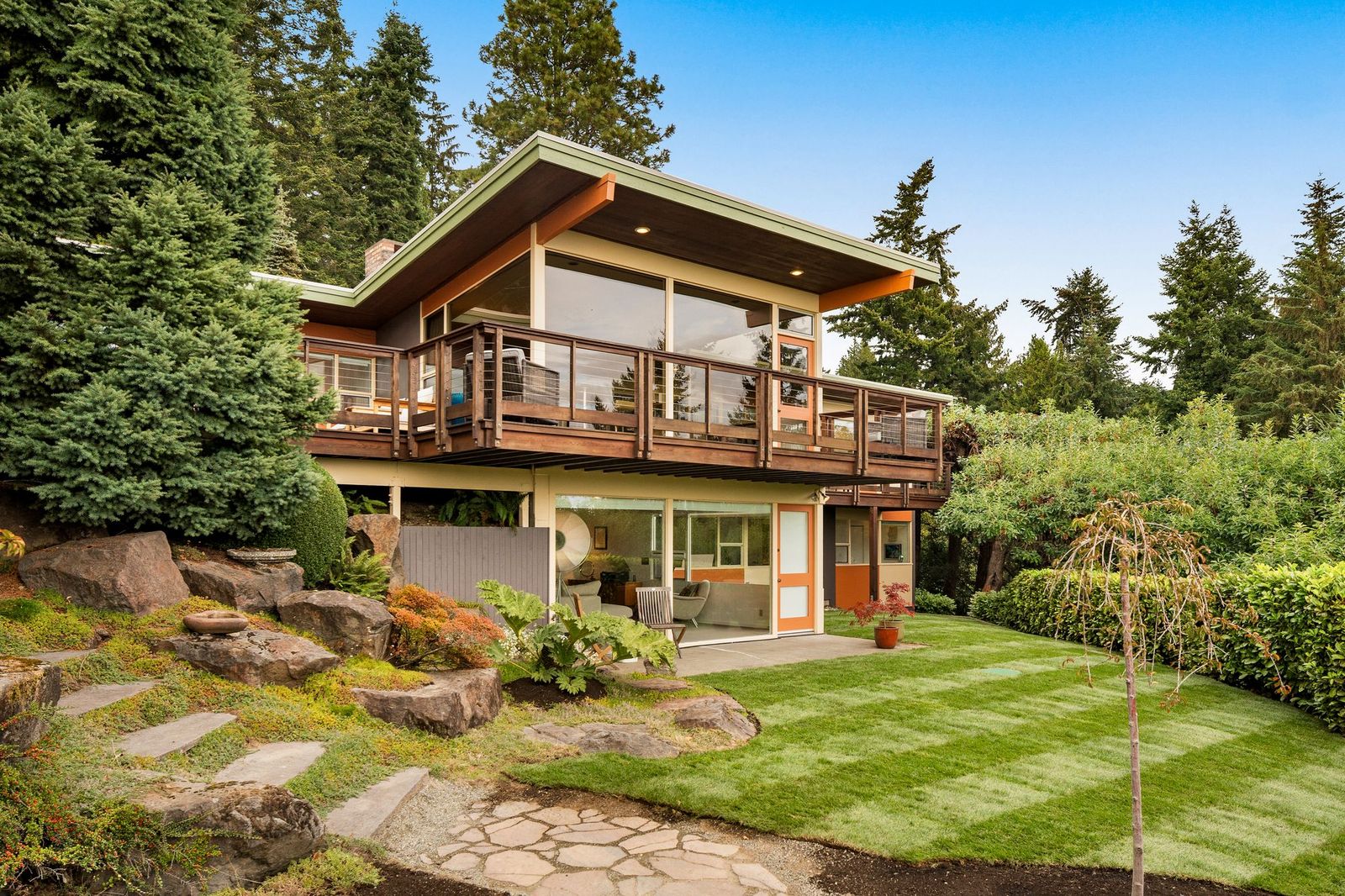
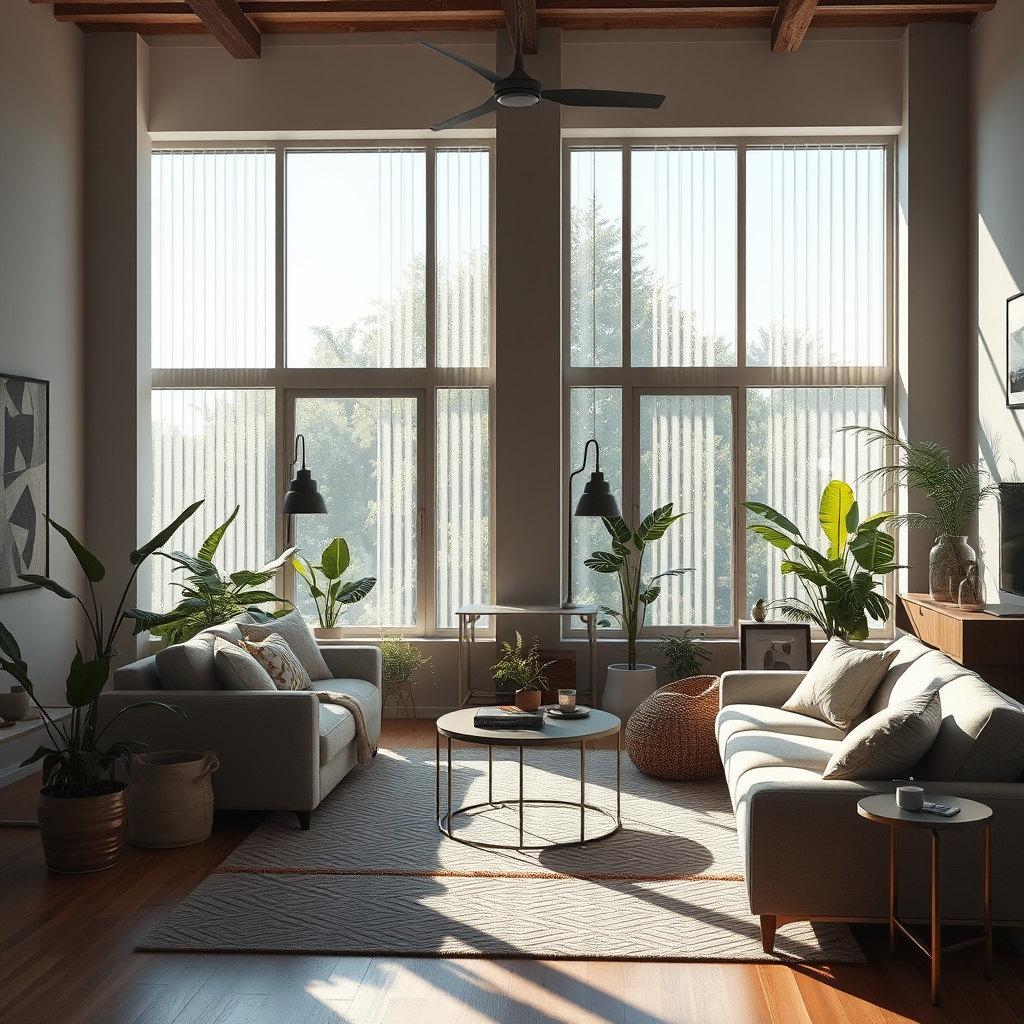
Biophilic Design Integration brings the outdoors in, fostering a connection with nature that is essential for human well-being. This can be achieved through the use of natural materials, indoor plants, and large windows that offer views of the surrounding landscape. The result is a space that feels calm, rejuvenating, and connected to the natural world.
Personalized Interior Concepts
Personalized Interior Concepts ensure that each space is a unique reflection of its inhabitants. This involves understanding the individual’s preferences, lifestyle, and personal story, and translating these elements into the design. The goal is to create a space that feels truly personal and meaningful.
Sustainable Home Styling
Sustainable Home Styling is a crucial aspect of modern interior design. It involves the use of eco-friendly materials, energy-efficient appliances, and sustainable practices. This not only reduces the environmental impact but also creates a healthier living environment for the occupants.
Interactive Interior Planning
Interactive Interior Planning leverages technology to create spaces that are not just static but dynamic and responsive. This can include smart home systems that adjust lighting, temperature, and music based on the occupants’ preferences and activities. The result is a space that is always in tune with the needs and desires of its inhabitants.
Psychological Space Optimization
Psychological Space Optimization focuses on the emotional and psychological impact of the space. This involves understanding how different design elements can affect mood, productivity, and overall well-being. By optimizing the space for psychological comfort, designers can create environments that support mental health and happiness.
Digital Twin Interior Modeling
Digital Twin Interior Modeling is a cutting-edge technology that allows designers to create virtual replicas of physical spaces. This enables them to test different design options, visualize the final outcome, and make adjustments before any physical work begins. The result is a more efficient and accurate design process.
Wellness Focused Home Design
Wellness Focused Home Design prioritizes the health and well-being of the occupants. This can include features such as air purification systems, ergonomic furniture, and spaces dedicated to relaxation and self-care. The goal is to create a home that supports a healthy and balanced lifestyle.
Emotionally Resonant Interiors
Emotionally Resonant Interiors are designed to evoke specific emotions and create a sense of connection and belonging. This can be achieved through the use of color, texture, and personal mementos that resonate with the inhabitants. The result is a space that feels warm, inviting, and emotionally fulfilling.
Co Creative Design Processes
Co Creative Design Processes involve collaboration between designers and clients, ensuring that the final design is a true reflection of the client’s vision and needs. This collaborative approach fosters a sense of ownership and satisfaction, as the client is actively involved in the design process.
Flexible Living Solutions
Flexible Living Solutions are designed to adapt to the changing needs and circumstances of the occupants. This can include features such as convertible furniture, multi-functional rooms, and adaptable layouts. The goal is to create a space that can evolve with the inhabitants, providing long-term value and functionality.
Smart Home Experience Design
Smart Home Experience Design integrates technology into the living environment, creating a seamless and intuitive user experience. This can include features such as voice-activated controls, automated lighting, and smart appliances. The result is a home that is not just functional but also convenient and enjoyable to live in.
Conscious Material Selection
Conscious Material Selection involves choosing materials that are not only aesthetically pleasing but also sustainable and ethical. This can include the use of recycled materials, non-toxic finishes, and locally sourced products. The goal is to create a home that is not just beautiful but also responsible and environmentally friendly.
Minimalist Lifestyle Design
Minimalist Lifestyle Design focuses on simplicity and functionality, creating spaces that are clutter-free and calming. This can involve the use of neutral colors, clean lines, and minimal decor. The result is a home that feels spacious, serene, and conducive to a minimalist lifestyle.
Cultural Narrative Interiors
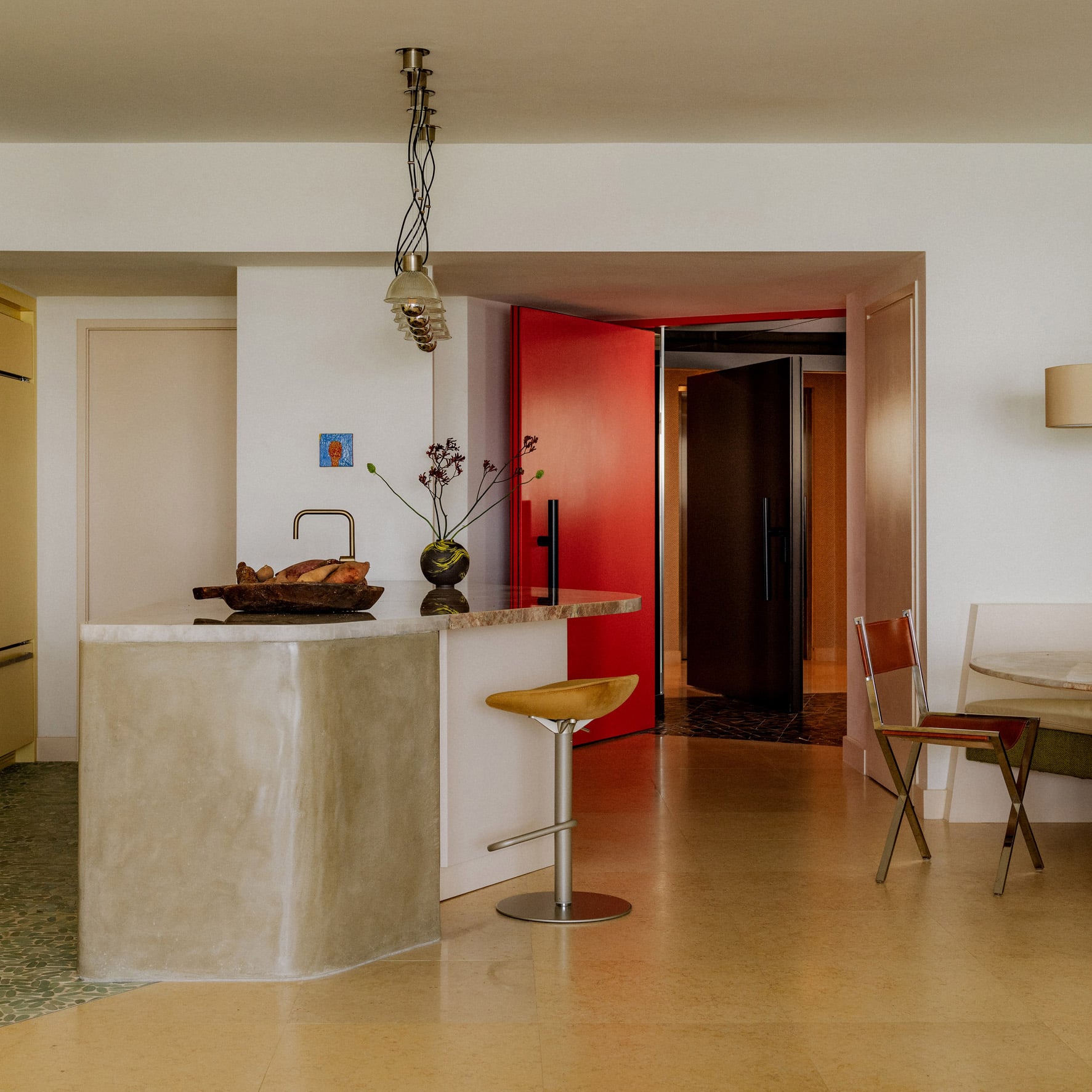
Cultural Narrative Interiors tell a story through design, incorporating elements that reflect the cultural heritage and personal history of the inhabitants. This can include the use of traditional motifs, heirloom pieces, and artifacts that hold personal significance. The result is a space that feels rich in history and deeply personal.
Holistic Room Layouts
Holistic Room Layouts consider the overall flow and functionality of the space, ensuring that each room serves a specific purpose and contributes to the overall harmony of the home. This can involve the use of zoning, strategic placement of furniture, and thoughtful consideration of traffic patterns. The result is a home that feels cohesive, balanced, and well-organized.
In the end, the true essence of Immersive Spatial Design lies in its ability to create homes that are not just spaces to live in, but experiences to be lived. By integrating sensory, human-centric, and adaptive elements, designers can craft environments that resonate deeply with their inhabitants, fostering a sense of connection, well-being, and joy. This holistic approach to design ensures that every home is a unique reflection of its occupants, a sanctuary that supports and enriches their lives in every way.