The Living Mosaic: Crafting Homes That Reflect and Respond
In the realm of interior design, a new paradigm is emerging—one that transcends mere aesthetics and delves into the creation of immersive spatial experiences. This approach, known as immersive spatial design, focuses on crafting environments that engage all the senses, fostering a deep connection between the inhabitant and their surroundings.
Sensory Interior Environments
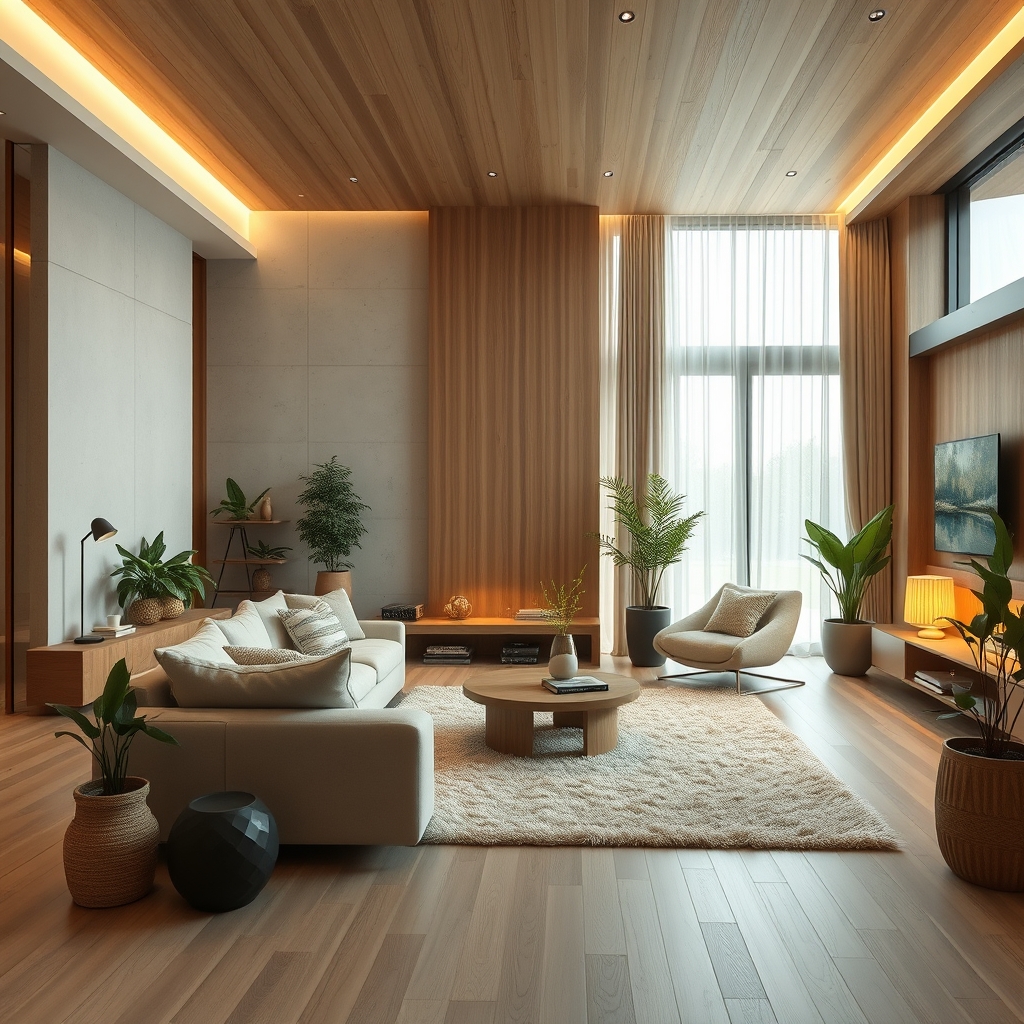
Sensory interior environments are at the heart of this design philosophy. By integrating elements that stimulate sight, sound, touch, smell, and even taste, designers can create spaces that are not just visually appealing but also emotionally resonant. For instance, the use of natural materials, soft textures, and ambient lighting can transform a room into a sanctuary of tranquility.
Human Centric Architecture
Human-centric architecture places the needs and well-being of the occupants at the forefront. This approach considers how people interact with their environment, ensuring that spaces are functional, comfortable, and supportive of daily activities. Adaptive living spaces are a key component of this, offering flexibility and adaptability to meet the changing needs of residents.
Biophilic Design Integration
Biophilic design integration is another crucial aspect. By incorporating natural elements such as plants, water features, and natural light, designers can create spaces that promote health and well-being. This connection to nature has been shown to reduce stress, improve mood, and enhance cognitive function.
Personalized Interior Concepts
Personalized interior concepts allow for the creation of spaces that truly reflect the individuality of the occupants. By involving clients in the design process, designers can ensure that the final product is a unique expression of their personality and lifestyle. This co-creative design process fosters a sense of ownership and pride in the space.
Sustainable Home Styling
Sustainable home styling is also gaining traction. By using eco-friendly materials and energy-efficient solutions, designers can create homes that are not only beautiful but also environmentally responsible. This conscious material selection ensures that the space is not only aesthetically pleasing but also sustainable for future generations.
Interactive Interior Planning
Interactive interior planning tools, such as digital twin interior modeling, allow for a more dynamic and engaging design process. These tools enable clients to visualize and interact with their future space, making adjustments in real-time. This not only enhances the design experience but also ensures that the final product meets the client’s expectations.
Psychological Space Optimization
Psychological space optimization focuses on creating environments that support mental health and well-being. By considering factors such as color psychology, spatial layout, and the use of natural light, designers can create spaces that promote relaxation, productivity, and overall well-being.
Wellness Focused Home Design
Wellness-focused home design is a holistic approach that considers the physical, mental, and emotional well-being of the occupants. By integrating elements such as meditation spaces, home gyms, and wellness rooms, designers can create homes that support a healthy and balanced lifestyle.
Emotionally Resonant Interiors
Emotionally resonant interiors are designed to evoke specific emotions and create a sense of connection and belonging. By using color, texture, and spatial arrangement, designers can create spaces that are not just functional but also emotionally meaningful.
Flexible Living Solutions
Flexible living solutions are essential in today’s fast-paced world. By creating spaces that can adapt to different needs and uses, designers can ensure that homes remain functional and relevant over time. This adaptability is particularly important in urban environments where space is at a premium.
Smart Home Experience Design
Smart home experience design integrates technology to enhance the living experience. By using smart devices and automation, designers can create homes that are not only convenient but also energy-efficient and secure. This integration of technology ensures that homes are not just comfortable but also smart and responsive.
Minimalist Lifestyle Design
Minimalist lifestyle design focuses on simplicity and functionality. By eliminating clutter and focusing on essential elements, designers can create spaces that are not only aesthetically pleasing but also promote a sense of calm and order. This approach is particularly popular in urban environments where space is limited.
Cultural Narrative Interiors
Cultural narrative interiors tell a story through design. By incorporating elements that reflect the cultural heritage and personal history of the occupants, designers can create spaces that are not just beautiful but also meaningful. This approach fosters a sense of connection and belonging, making the space truly unique.
Holistic Room Layouts
Holistic room layouts consider the overall flow and functionality of the space. By ensuring that each room is designed to support the activities that take place within it, designers can create homes that are not just beautiful but also practical and efficient.
In conclusion, the future of interior design lies in creating spaces that are not just visually appealing but also emotionally resonant and functionally efficient. By integrating elements of immersive spatial design, sensory interior environments, human-centric architecture, and biophilic design, designers can create homes that truly reflect and respond to the needs and desires of their occupants. This holistic approach ensures that homes are not just places to live but also spaces that nurture and support the well-being of those who inhabit them.