
Harmonizing Spaces: The Future of Modern Living Through Open Design, Smart Tech, and Sustainability
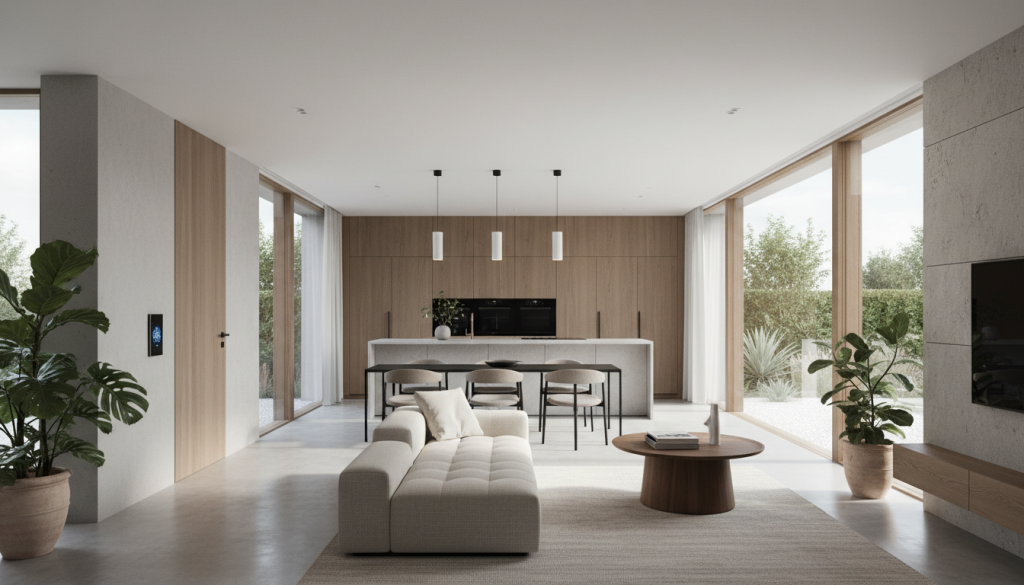
Modern home design is no longer just about aesthetics; it’s a holistic approach to creating living spaces that are functional, intuitive, and in harmony with both their inhabitants and the environment. As we move further into the 21st century, the demand for homes that seamlessly blend innovative technology, sustainable practices, and thoughtful design principles continues to grow. This evolution is shaping not just how our homes look, but how they feel and perform, transforming them into intelligent sanctuaries tailored for contemporary life. The focus is shifting towards creating environments that enhance well-being, simplify daily routines, and minimize ecological impact.
The Allure of Open Concept Living
One of the most enduring trends in contemporary architecture and interior design is the open concept living space. This design philosophy breaks down traditional barriers, merging living rooms, dining areas, and kitchens into a single, expansive area. The result is a fluid environment that promotes connection, encourages natural light to permeate deeper into the home, and offers unparalleled flexibility in how spaces are used. For families, it means greater interaction; for entertainers, it provides a seamless flow for social gatherings. It’s about creating a sense of spaciousness and connectivity that traditional, compartmentalized layouts often lack.
Seamless Transitions and Natural Light
Beyond the aesthetic appeal, open concept living significantly enhances the quality of light and air circulation within a home. Without walls to obstruct their path, sunlight can travel further, reducing the need for artificial lighting during the day and creating a brighter, more inviting atmosphere. This natural illumination also has well-documented benefits for mood and overall well-being. Furthermore, the absence of dividing walls allows for better airflow, contributing to a fresher, more comfortable indoor climate. When considering home renovation ideas, opening up key living areas is often at the top of the list for homeowners looking to modernize their space and improve its functionality.
Integrating Smart Home Technology with Discretion
The term “smart home” often conjures images of complex gadgets and visible tech. However, the true beauty of modern smart home technology lies in its seamless integration and unobtrusive operation. Today’s smart homes are designed to be intuitive assistants, working quietly in the background to enhance comfort, security, and efficiency without drawing attention to themselves. From automated lighting and climate control systems that learn your preferences to sophisticated security setups and integrated entertainment hubs, smart tech is becoming an invisible layer of convenience that elevates daily living. The goal is not just to add technology, but to make life simpler and more enjoyable.
Efficiency and Comfort at Your Fingertips
Consider the benefits: adjusting your thermostat from your smartphone before you arrive home, having lights automatically dim as evening approaches, or securing your entire house with a single voice command. These are not futuristic fantasies but everyday realities in homes embracing smart solutions. Energy efficient homes benefit immensely from smart thermostats and lighting controls, which can significantly reduce utility bills by optimizing usage. For those undertaking home remodeling services, integrating smart technology from the outset ensures a cohesive and future-proof living environment, adding both convenience and long-term value to the property.
Embracing Sustainable Practices for a Greener Future
Sustainable home design is no longer a niche interest but a mainstream imperative. As environmental awareness grows, so does the desire for homes that minimize their ecological footprint. This encompasses everything from the materials used in construction and renovation to the ongoing energy and water consumption. Custom home builders and home contractors are increasingly incorporating sustainable elements, recognizing that an investment in eco-friendly design is an investment in the planet and in the long-term health of the home’s occupants. It’s about building responsibly and living consciously.
Design Choices that Make a Difference
From incorporating solar panels and rainwater harvesting systems to utilizing recycled, reclaimed, or locally sourced materials, there are countless ways to make a home more sustainable. High-performance insulation, energy-efficient windows, and low-VOC (volatile organic compound) paints contribute to both energy savings and improved indoor air quality. Outdoor living design can also play a role, with drought-resistant landscaping and native plant choices reducing water consumption. These choices not only reduce environmental impact but often lead to significant cost savings over the lifespan of the home, making sustainable living an economically sound decision as well.
The Beauty of Minimalist Living Spaces
In an increasingly cluttered world, the principles of minimalist living spaces offer a refreshing antidote. Minimalism in design is not about deprivation, but about intentionality – focusing on what truly adds value and beauty to a space, and eliminating the superfluous. It emphasizes clean lines, uncluttered surfaces, and a well-curated selection of furniture and decor. This approach creates a sense of calm and order, allowing the architecture and natural light to take center stage. For many, adopting a minimalist aesthetic is a pathway to reduced stress and greater clarity in their daily lives.
Curated Comfort and Intentional Design
A minimalist interior prioritizes quality over quantity. Instead of numerous small items, a few well-chosen pieces of furniture, art, or decor are selected for their form, function, and emotional resonance. Smart storage solutions are key to maintaining an uncluttered look, ensuring that everyday items have a designated, out-of-sight home. This approach to small space design is particularly effective, making even compact areas feel expansive and serene. Ultimately, minimalist design fosters an environment where every element serves a purpose, contributing to a harmonious and deeply personal living experience. It’s about crafting a home that feels light, airy, and utterly reflective of a life lived with purpose and appreciation.
The convergence of open concept living, discreet smart home technology, sustainable practices, and minimalist design is redefining what it means to live well. It’s about creating spaces that are not just visually appealing but are intelligent, responsible, and deeply attuned to the rhythms of modern life. These homes are designed to adapt, to nurture, and to provide a serene backdrop for the busy lives we lead, proving that true luxury lies in simplicity, efficiency, and a profound connection to our environment. By embracing these principles, we build not just houses, but future-ready havens that inspire and endure.



