The Living Mosaic: Crafting Homes That Reflect and Respond
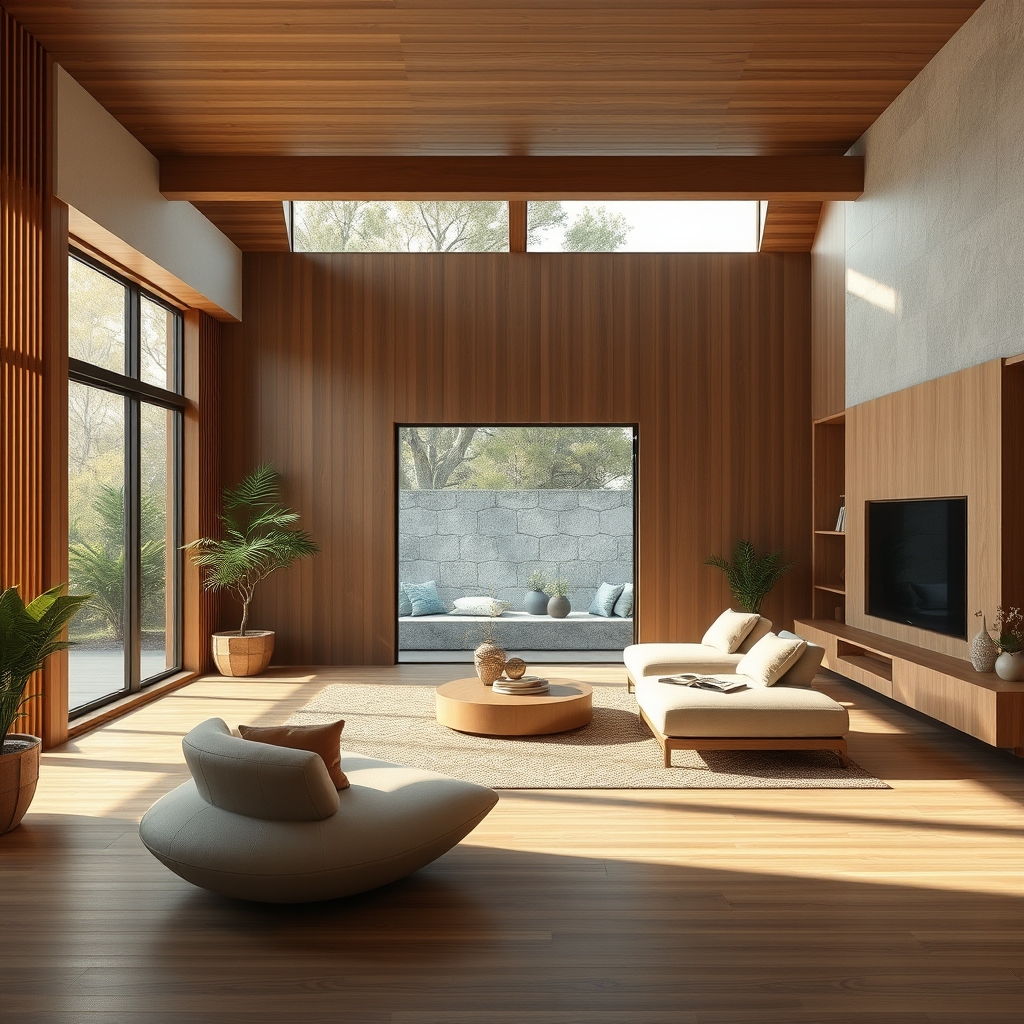
In the ever-evolving world of interior design, a new paradigm is emerging—one that prioritizes the human experience and the emotional resonance of living spaces. This approach, known as Immersive Spatial Design, is transforming the way we think about our homes. It’s not just about aesthetics; it’s about creating environments that engage all our senses and adapt to our needs.
Sensory Interior Environments
Sensory Interior Environments are at the heart of this design philosophy. They go beyond visual appeal to incorporate touch, sound, smell, and even taste. Imagine a home where the texture of the walls invites you to run your fingers along them, where the sound of a gentle water feature soothes your senses, and where the scent of fresh herbs wafts through the air. These elements combine to create a holistic experience that nourishes the soul.
Human Centric Architecture
Human Centric Architecture is another key aspect of this approach. It places the needs and well-being of the inhabitants at the center of the design process. This means considering factors like natural light, ventilation, and ergonomics. It’s about creating spaces that support our physical health and mental well-being.
Adaptive Living Spaces
Adaptive Living Spaces are designed to evolve with the changing needs of their occupants. This could mean a home that easily transitions from a bustling family hub to a quiet retreat for a single person. It could also mean a space that can be reconfigured to accommodate different stages of life, from a growing family to empty nesters.
Biophilic Design Integration
Biophilic Design Integration is a crucial element of this design philosophy. It involves bringing nature into the home, not just through plants, but through the use of natural materials, colors, and patterns. This connection to nature has been shown to reduce stress, improve mood, and enhance creativity.
Personalized Interior Concepts
Personalized Interior Concepts are about creating spaces that truly reflect the personality and lifestyle of the inhabitants. This could mean a home that tells a story through its decor, or a space that is designed to support a specific hobby or interest.
Sustainable Home Styling
Sustainable Home Styling is another important aspect of this approach. It’s about creating beautiful, functional spaces that also respect the environment. This could mean using recycled materials, choosing energy-efficient appliances, or designing a home that maximizes natural light and ventilation.
Interactive Interior Planning
Interactive Interior Planning involves the use of technology to create and visualize designs. This could mean using virtual reality to walk through a space before it’s built, or using digital tools to experiment with different layouts and materials.
Psychological Space Optimization
Psychological Space Optimization is about understanding how the design of a space can affect our mood and behavior. This could mean creating a home that promotes relaxation and stress relief, or a space that encourages productivity and creativity.
Digital Twin Interior Modeling
Digital Twin Interior Modeling is a cutting-edge technology that allows designers to create a digital replica of a physical space. This can be used to test different design scenarios, optimize energy use, and even predict how a space will age over time.
Wellness Focused Home Design
Wellness Focused Home Design is about creating spaces that support our physical and mental health. This could mean designing a home that promotes good sleep, encourages physical activity, or supports a healthy diet.
Emotionally Resonant Interiors
Emotionally Resonant Interiors are spaces that evoke a strong emotional response. This could mean a home that feels cozy and inviting, or a space that inspires awe and wonder. It’s about creating spaces that truly resonate with us on a deep emotional level.
Co Creative Design Processes
Co Creative Design Processes involve collaboration between designers and clients. This could mean working together to create a vision for a space, or involving clients in the design process to ensure the final product truly reflects their needs and desires.
Flexible Living Solutions
Flexible Living Solutions are about creating spaces that can adapt to different uses and needs. This could mean a home that can easily be reconfigured for different activities, or a space that can be used by people with different abilities.
Smart Home Experience Design
Smart Home Experience Design involves the use of technology to enhance the living experience. This could mean using smart devices to control lighting, temperature, and security, or using technology to create a more immersive and interactive home environment.
Conscious Material Selection
Conscious Material Selection is about choosing materials that are not only beautiful and functional, but also sustainable and ethical. This could mean using materials that are locally sourced, recycled, or produced in an environmentally friendly way.
Minimalist Lifestyle Design
Minimalist Lifestyle Design is about creating spaces that are simple, uncluttered, and focused on the essentials. This could mean a home that is designed to support a minimalist lifestyle, or a space that encourages mindfulness and simplicity.
Cultural Narrative Interiors
Cultural Narrative Interiors are spaces that tell a story about the people who live there. This could mean a home that reflects the cultural heritage of its inhabitants, or a space that tells a personal story through its decor.
Holistic Room Layouts
Holistic Room Layouts are about creating spaces that are not only functional, but also beautiful and harmonious. This could mean a home that is designed to flow seamlessly from one space to another, or a space that is designed to promote a sense of balance and well-being.
As we continue to explore the possibilities of Immersive Spatial Design, it’s clear that the future of home design is about more than just aesthetics. It’s about creating spaces that truly reflect and respond to the people who live in them. It’s about designing homes that nourish the soul, support our well-being, and inspire us to live our best lives. So, let’s embrace this new paradigm and create homes that are not just places to live, but places to thrive.