The Living Mosaic: Crafting Homes That Reflect and Respond
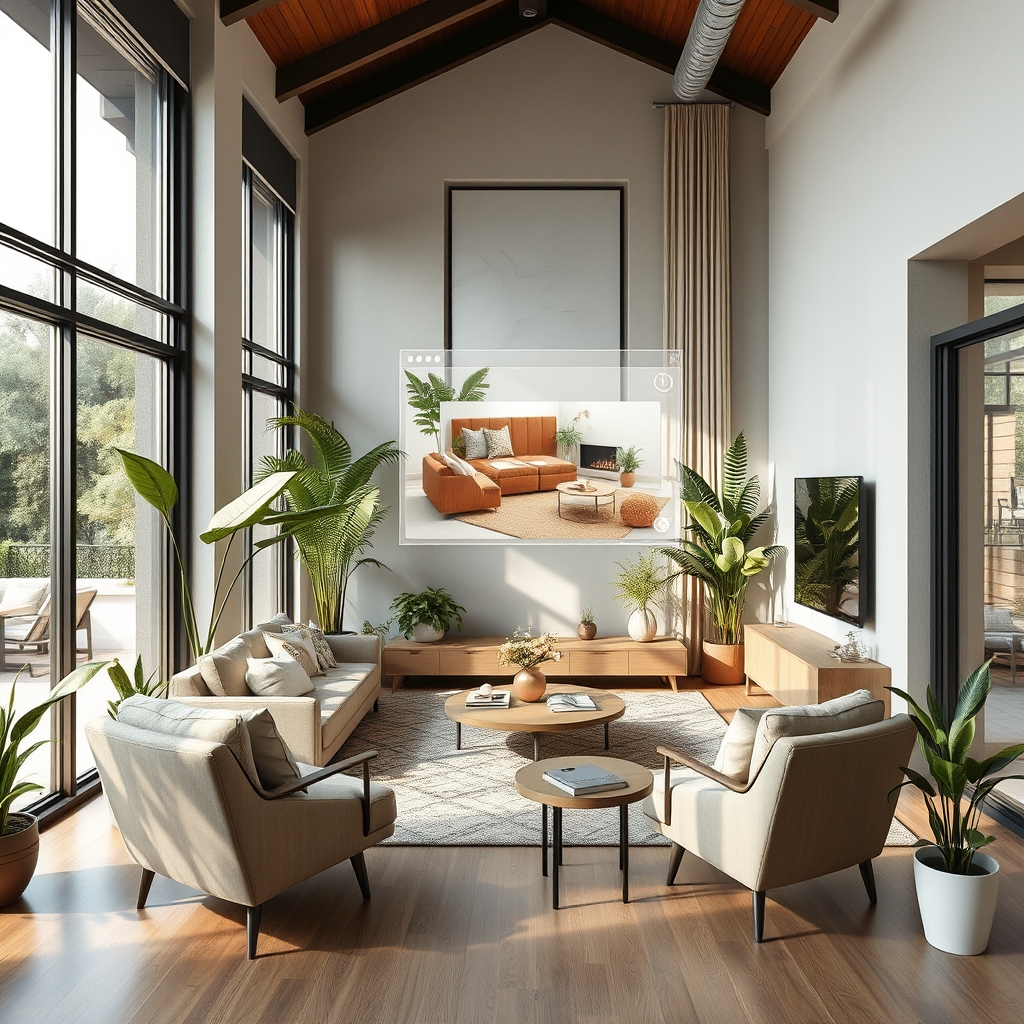
In the realm of modern architecture, the concept of a home has evolved far beyond mere shelter. Today, homes are designed to be immersive spatial experiences, sensory interior environments that engage all five senses, and human-centric spaces that prioritize the well-being and comfort of their inhabitants. This shift towards a more holistic approach to home design is not just a trend but a necessity in our fast-paced, ever-changing world.
Immersive Spatial Design
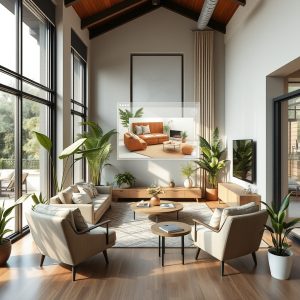
Immersive spatial design is at the heart of this evolution. It’s about creating spaces that envelop you, that make you feel a part of something larger. This can be achieved through the use of adaptive living spaces that can transform to meet the changing needs of their occupants. For instance, a living room that can easily convert into a home office or a guest bedroom, or a kitchen that doubles as a dining area.
Sensory Interior Environments
Sensory interior environments are another key aspect. These are spaces that engage all five senses, creating a multi-sensory experience. This could be a room with soft, plush furnishings that invite touch, a kitchen with aromas that stimulate the sense of smell, or a living room with a carefully curated playlist that appeals to the sense of hearing.
Human-Centric Architecture
Human-centric architecture is about putting people at the center of the design process. It’s about understanding their needs, their behaviors, and their emotions, and designing spaces that cater to these. This could mean creating spaces that promote relaxation and stress relief, or spaces that encourage social interaction and community building.
Biophilic Design Integration
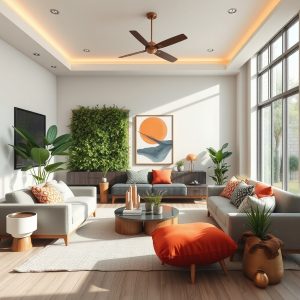
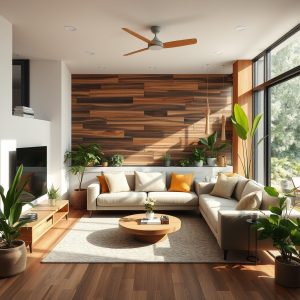
Biophilic design integration is another important trend. This involves incorporating elements of nature into the design of interior spaces. This could be through the use of natural materials like wood and stone, or the inclusion of plants and greenery. The goal is to create spaces that connect us with nature, promoting health and well-being.
Personalized Interior Concepts
Personalized interior concepts are also gaining traction. These are spaces that reflect the unique personality and lifestyle of their occupants. This could mean incorporating personal mementos and artifacts into the design, or creating spaces that cater to specific hobbies or interests.
Sustainable Home Styling
Sustainable home styling is another key aspect. This involves using eco-friendly materials and practices in the design and decoration of homes. The goal is to create spaces that are not only beautiful and functional but also environmentally responsible.
Interactive Interior Planning
Interactive interior planning is a relatively new concept. This involves using digital tools and technologies to create and visualize interior spaces. This could mean using virtual reality to walk through a space before it’s built, or using augmented reality to visualize how different design elements will look in a space.
Psychological Space Optimization
Psychological space optimization is about understanding how the design of a space can impact our emotions and behaviors. This could mean creating spaces that promote feelings of calm and relaxation, or spaces that encourage creativity and productivity.
Digital Twin Interior Modeling
Digital twin interior modeling is another innovative approach. This involves creating a digital replica of a physical space, allowing for real-time monitoring and analysis. This could be used to optimize energy usage, improve air quality, or enhance overall comfort.
Wellness-Focused Home Design
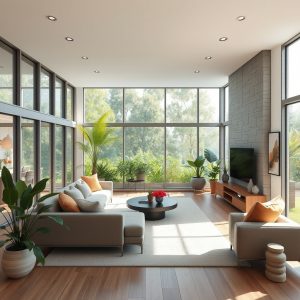
Wellness-focused home design is about creating spaces that promote health and well-being. This could mean incorporating features like natural light, fresh air, and ergonomic furnishings. The goal is to create spaces that support our physical, mental, and emotional health.
Emotionally Resonant Interiors
Emotionally resonant interiors are spaces that evoke strong emotional responses. This could be a room with a cozy, inviting atmosphere that makes you feel at home, or a space with a dramatic, awe-inspiring design that leaves you breathless.
Co-Creative Design Processes
Co-creative design processes involve collaboration between designers and clients. This could mean working together to create a design brief, or collaborating on the selection of materials and finishes. The goal is to create spaces that truly reflect the unique needs and desires of the client.
As we continue to evolve and grow, so too will our homes. They will become more than just places to live; they will become immersive spatial experiences, sensory interior environments, and human-centric spaces that reflect and respond to our unique needs and desires. This is the future of home design, and it’s a future that promises to be as exciting as it is transformative.